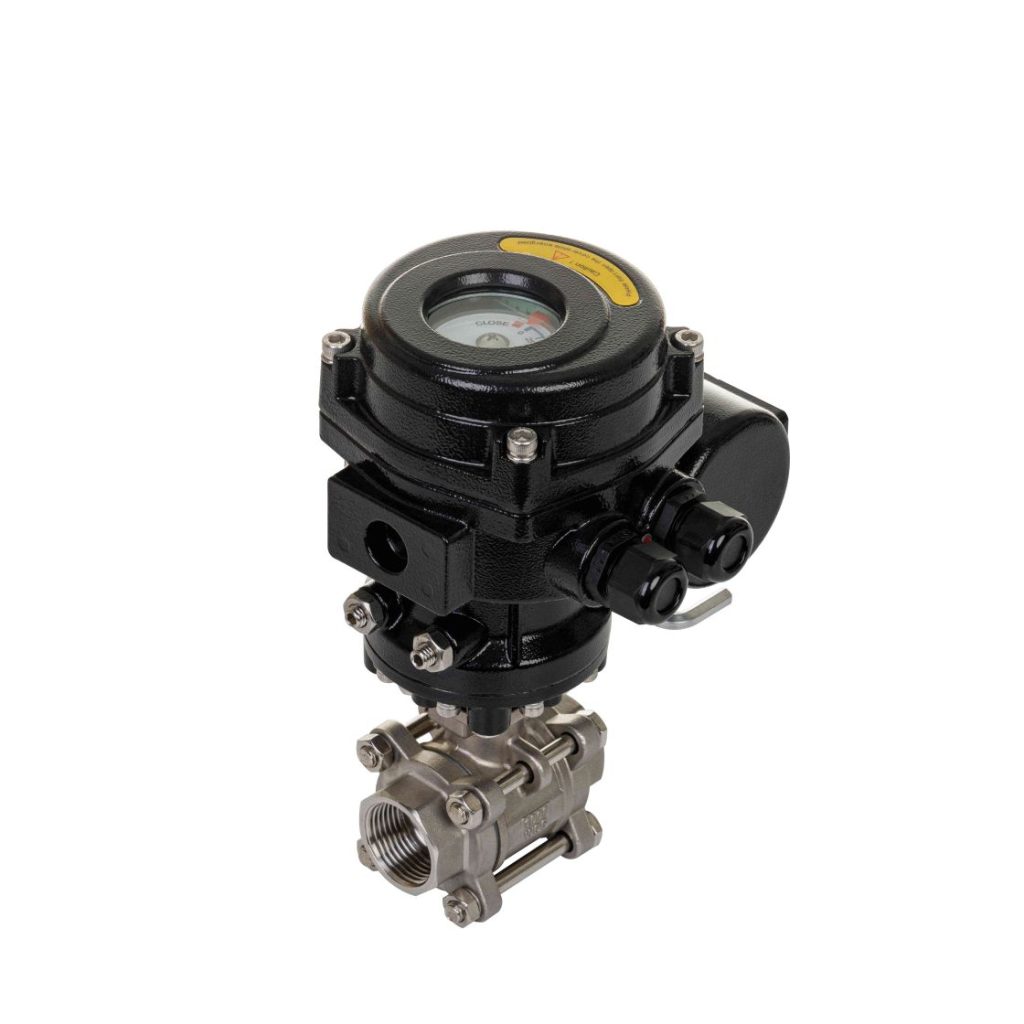
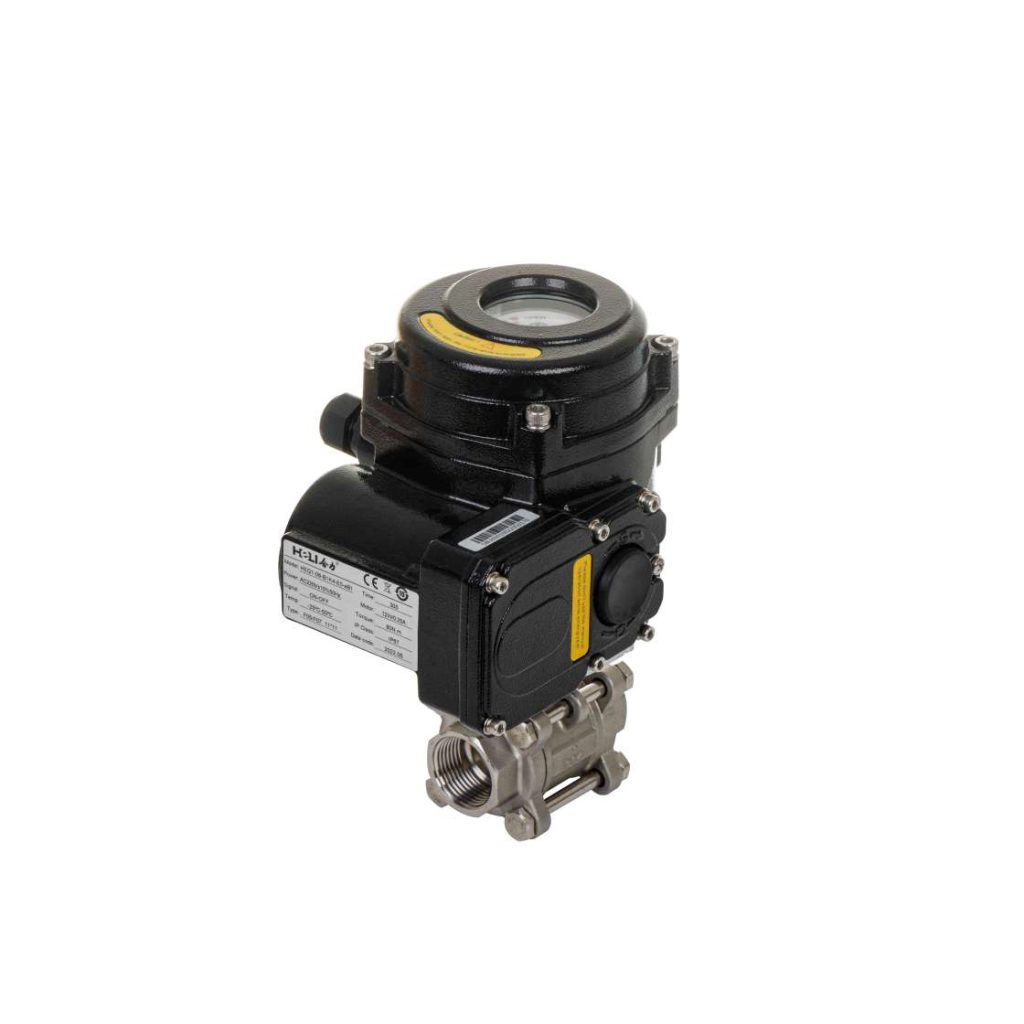
The WCB Electric Screw Ball Valve is an innovative and essential industrial component designed to provide precise control over the flow of fluids or gases. With the integration of a motorized actuator and the well-known ball valve structure, this valve is commonly used in systems that require both automation and accurate flow regulation. This article will explore the key features, working principles, applications, and benefits of the WCB Electric Screw Ball Valve, shedding light on why it is favored in many industrial sectors.
Structure and Working Principle
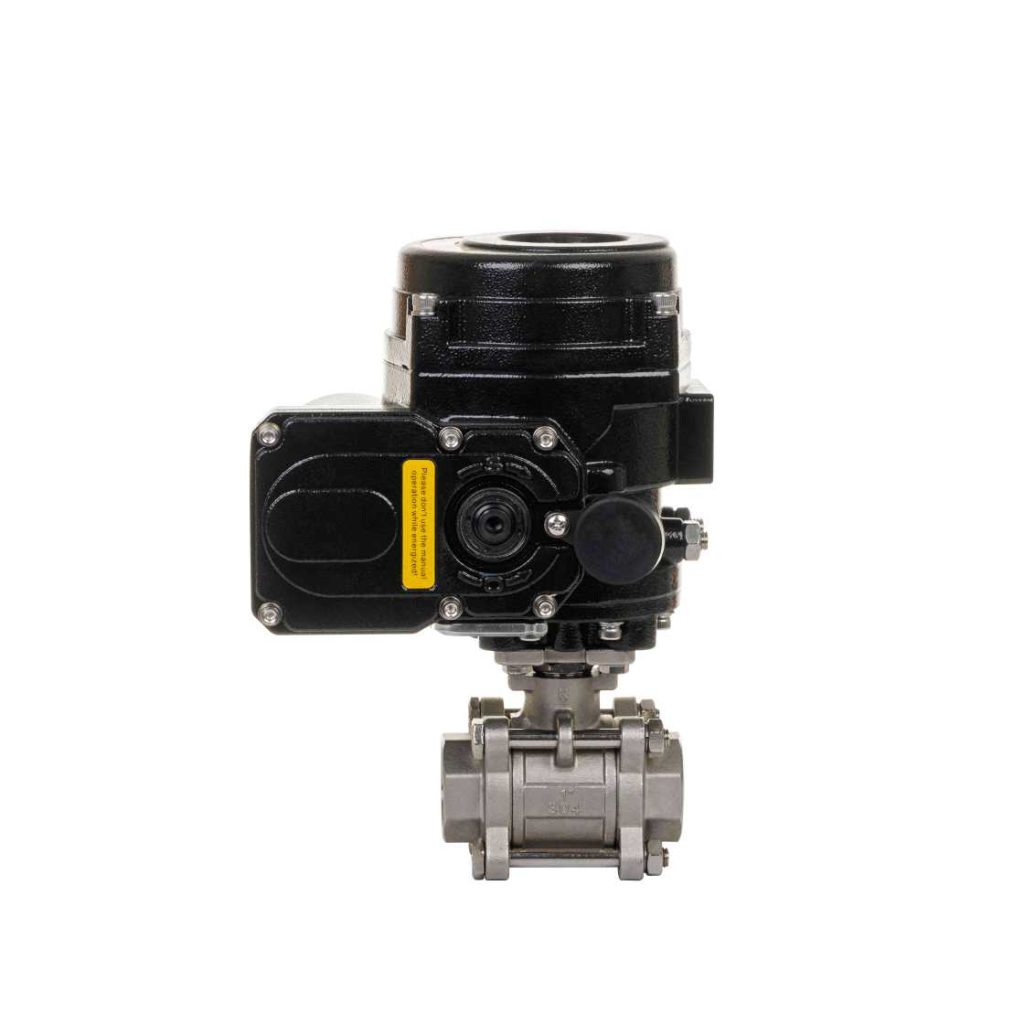
At its core, the WCB Electric Screw Ball Valve combines two key technologies: the ball valve and an electric actuator. The ball valve itself consists of a spherical ball with a hole or port through its center. When the valve is opened, the hole aligns with the flow path, allowing the fluid or gas to pass through. Conversely, when the valve is closed, the ball rotates to block the passage, preventing any flow. This simple yet effective design allows for a tight seal and minimal resistance to flow. The electric actuator, on the other hand, is responsible for providing the mechanical force needed to rotate the ball valve. The actuator is powered by electricity and can be controlled by an electric signal, which allows for remote operation and automation. The combination of the ball valve and electric actuator offers precise control over the flow rate, making it ideal for applications where accuracy and remote operation are critical.