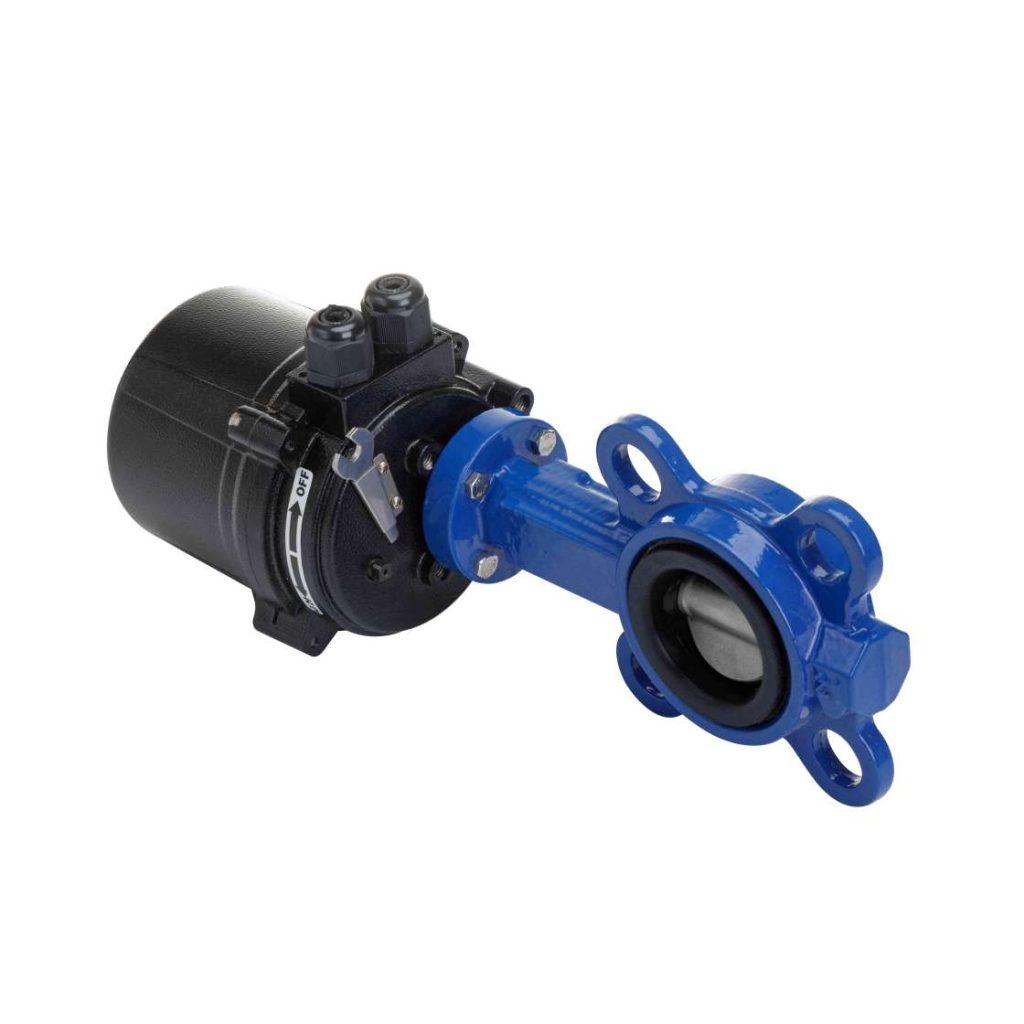
In the field of agricultural irrigation, water management plays a pivotal role in ensuring optimal crop growth and conserving precious water resources. A highly effective solution for controlling and regulating water flow in irrigation systems is the use of specialized valves. Among these, the WCB Electric Butterfly Valve stands out as a reliable and efficient option for managing the water distribution process. This article explores the functionality, benefits, and applications of the WCB Electric Butterfly Valve in agricultural irrigation systems.
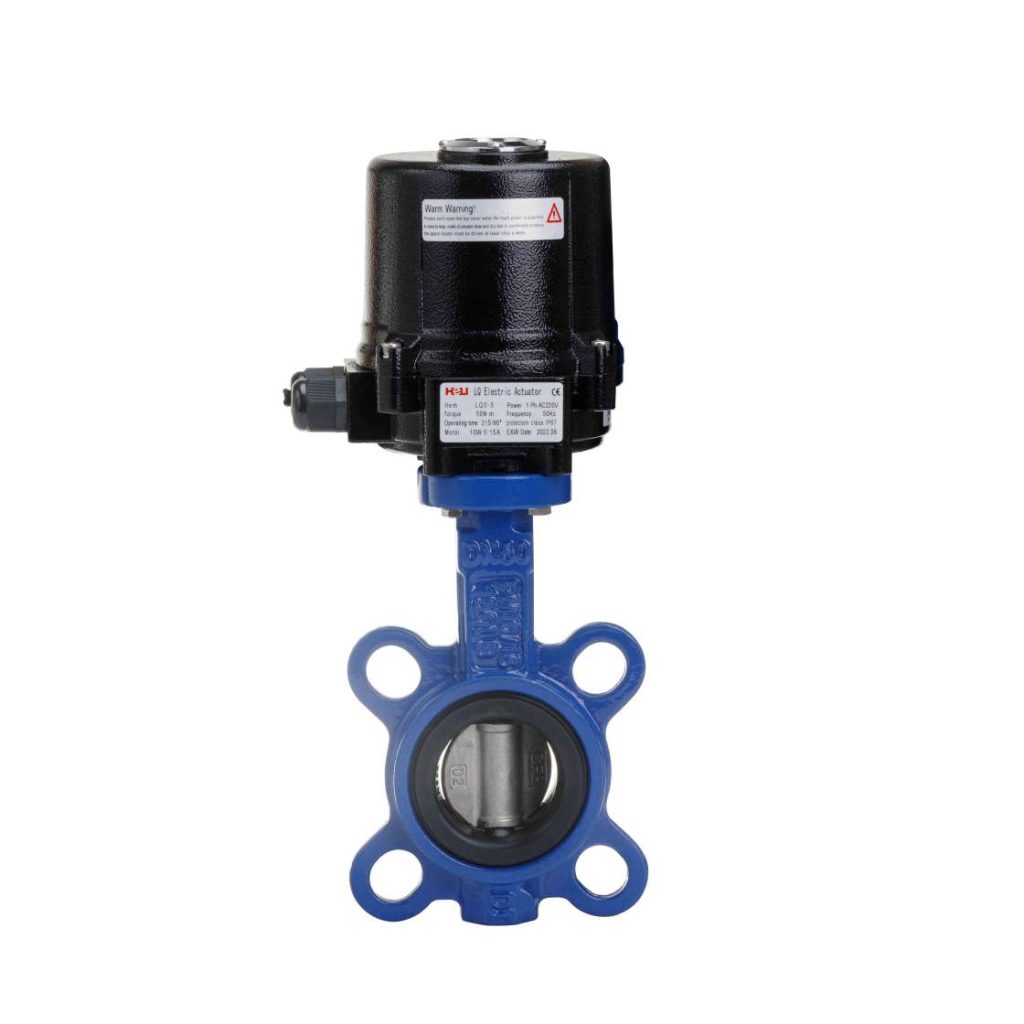
What is a WCB Electric Butterfly Valve?
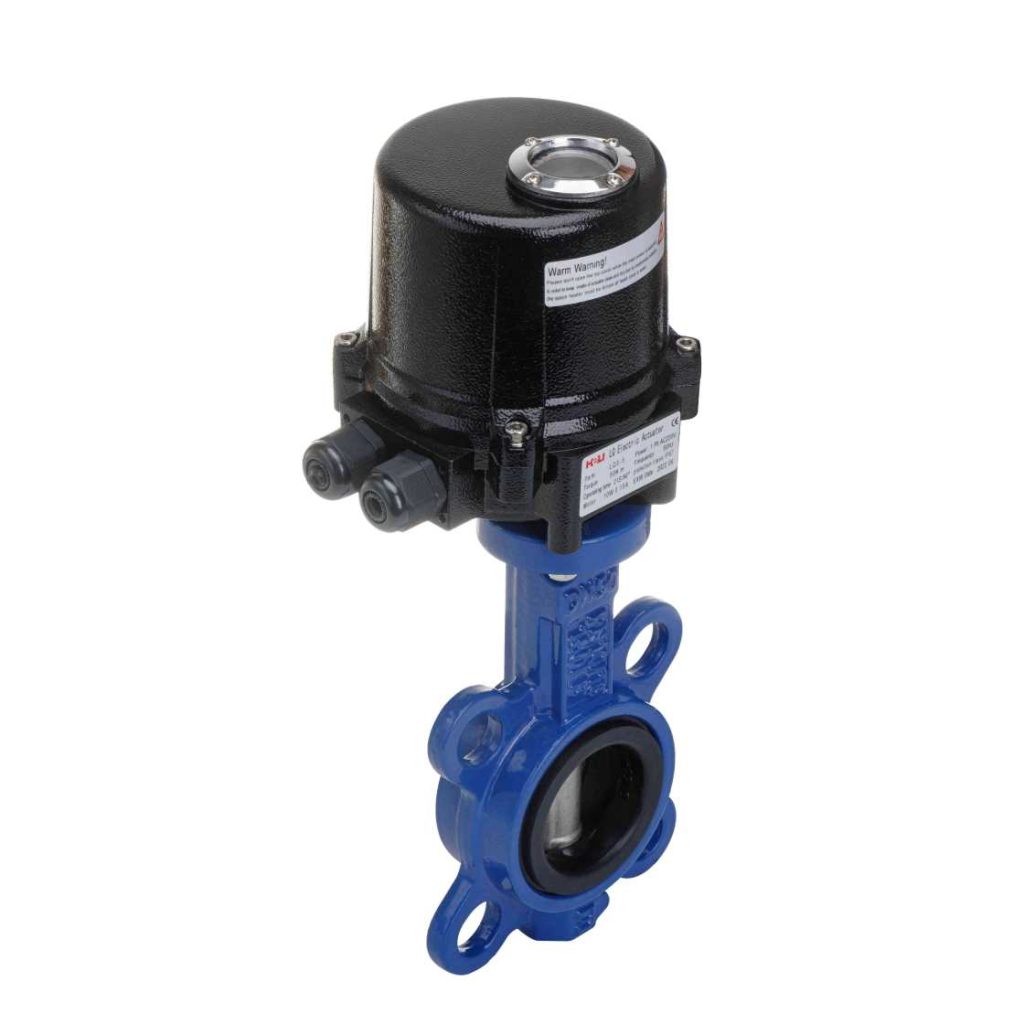
A WCB Electric Butterfly Valve is a type of valve that utilizes an electric actuator to operate a butterfly-shaped disc to regulate the flow of water or other fluids. The term “WCB” refers to the material composition of the valve body—WCB stands for “Wrought Carbon Steel,” a material known for its durability and resistance to wear, corrosion, and high temperatures. The electric actuator enables remote operation, making it highly suitable for modern irrigation systems that demand automation and precision. The butterfly valve operates by rotating a disc inside a pipe to control the flow of water. When the valve is open, the disc is parallel to the flow of water, allowing fluid to pass freely. When the valve is closed, the disc blocks the flow. The electric actuator allows for automated opening and closing of the valve, offering efficient control over water distribution.