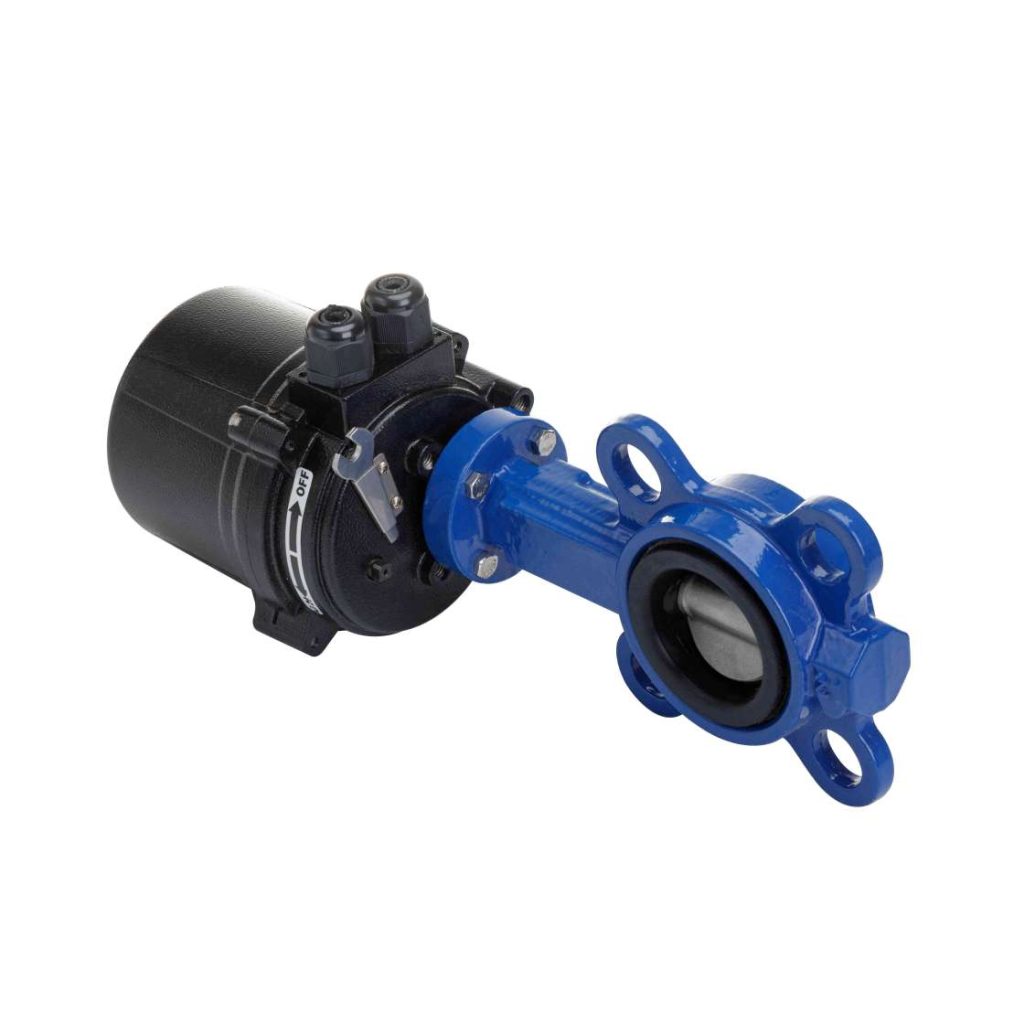
The WCB Electric Butterfly Valve is an essential part of various industrial systems, offering a blend of durability, reliability, and ease of control. It plays a critical role in regulating the flow of fluids in pipes, contributing to enhanced operational efficiency in industries such as water treatment, oil and gas, HVAC, and chemical processing. This article delves into the features, applications, and advantages of the WCB Electric Butterfly Valve, shedding light on its significance in modern automation and industrial control systems.
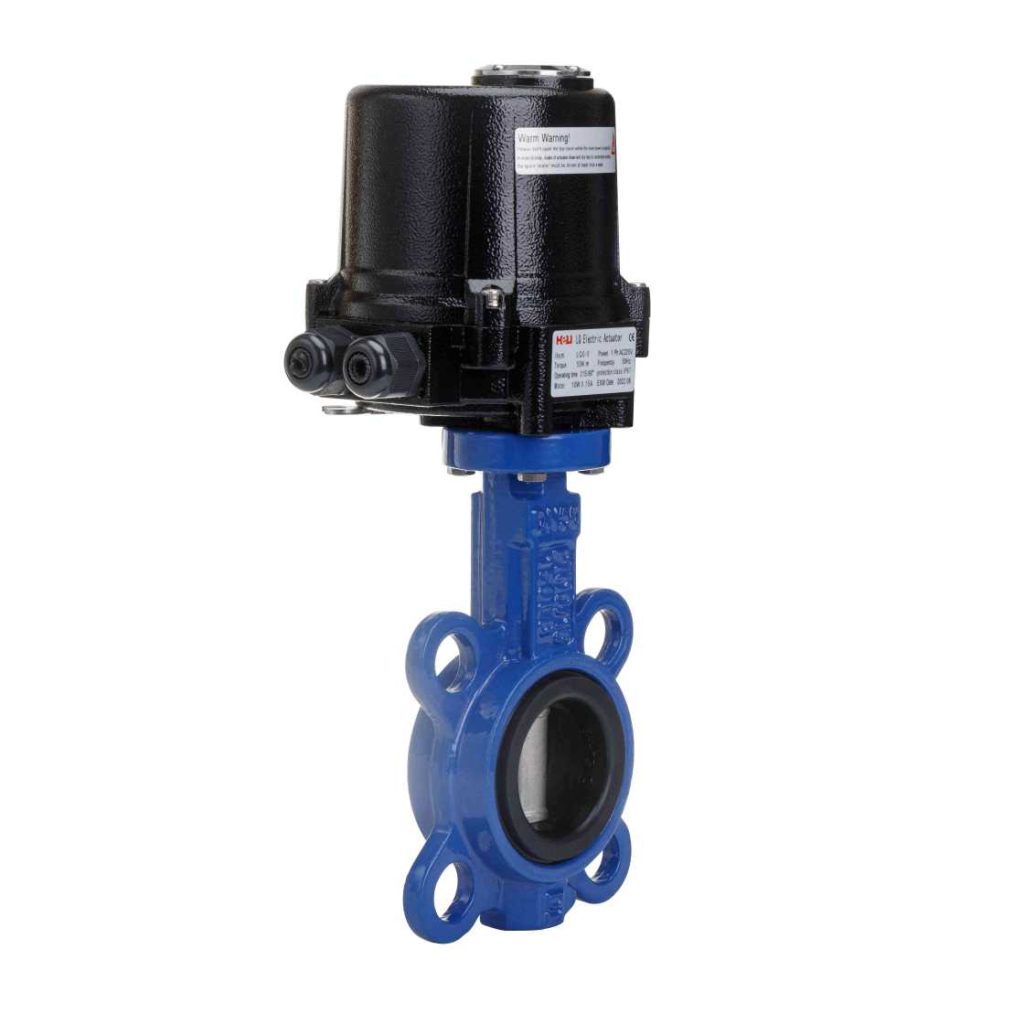
What is a WCB Electric Butterfly Valve?
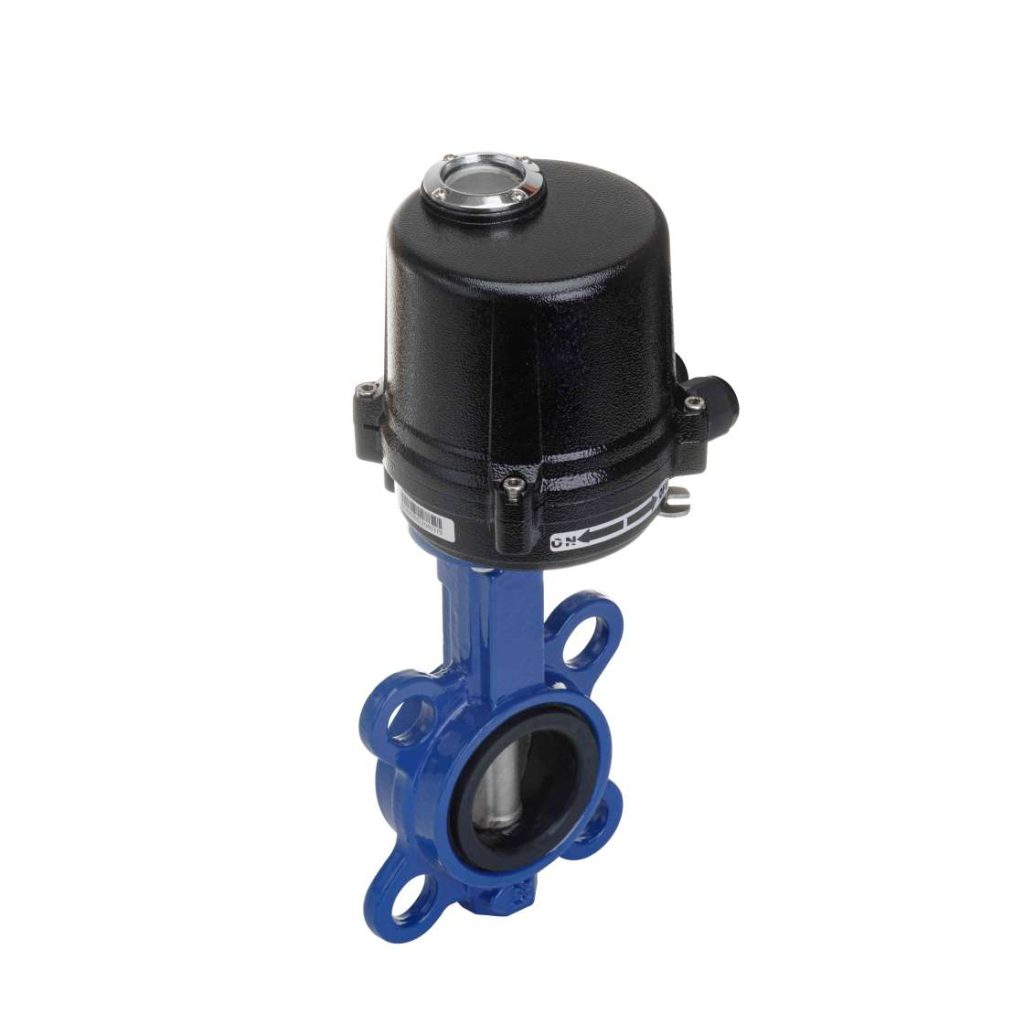
A WCB Electric Butterfly Valve is a type of valve that uses an electric actuator to operate a butterfly disc, which controls the flow of fluids through a pipeline. The “WCB” designation refers to the material used for the valve body, which is typically made from carbon steel (WCB is an abbreviation for “Wrought Carbon Steel, Bar”). This material is known for its strength, corrosion resistance, and cost-effectiveness, making it suitable for various applications in industrial settings. The valve operates by rotating the butterfly disc, which either fully opens or partially closes the flow of liquid or gas. The electric actuator provides the force needed to rotate the disc, offering precise and automated control over the valve’s position. This makes the WCB Electric Butterfly Valve an excellent choice for systems requiring automated flow control without manual intervention.