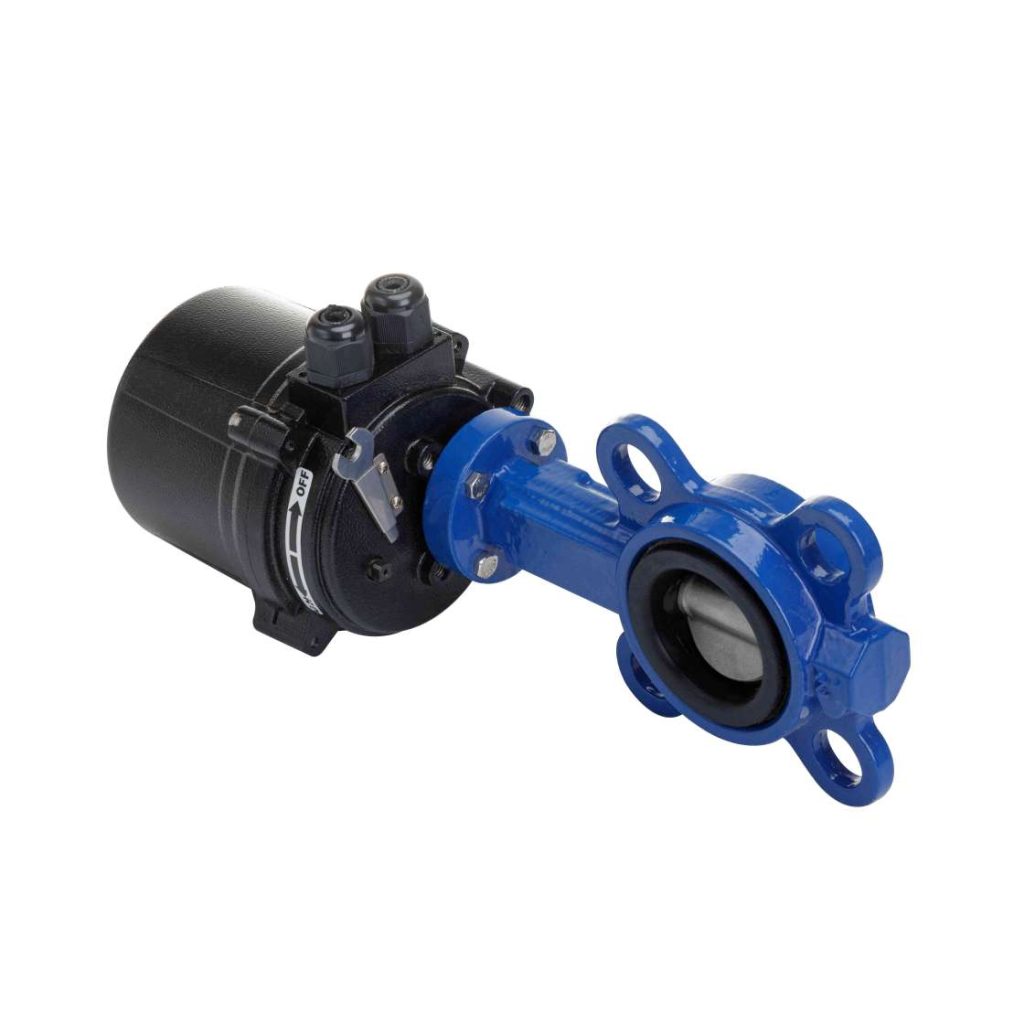
TheWCB Electric Butterfly Valveis an essential component in various industrial systems, designed for regulating and controlling the flow of fluids in pipelines. This type of valve is well-known for its versatility, reliability, and cost-effectiveness, making it a popular choice in diverse industries, including water treatment, chemical processing, oil and gas, and HVAC systems. In this article, we will delve into the design, functionality, and applications of WCB electric butterfly valves, exploring how they contribute to the efficiency of industrial operations.
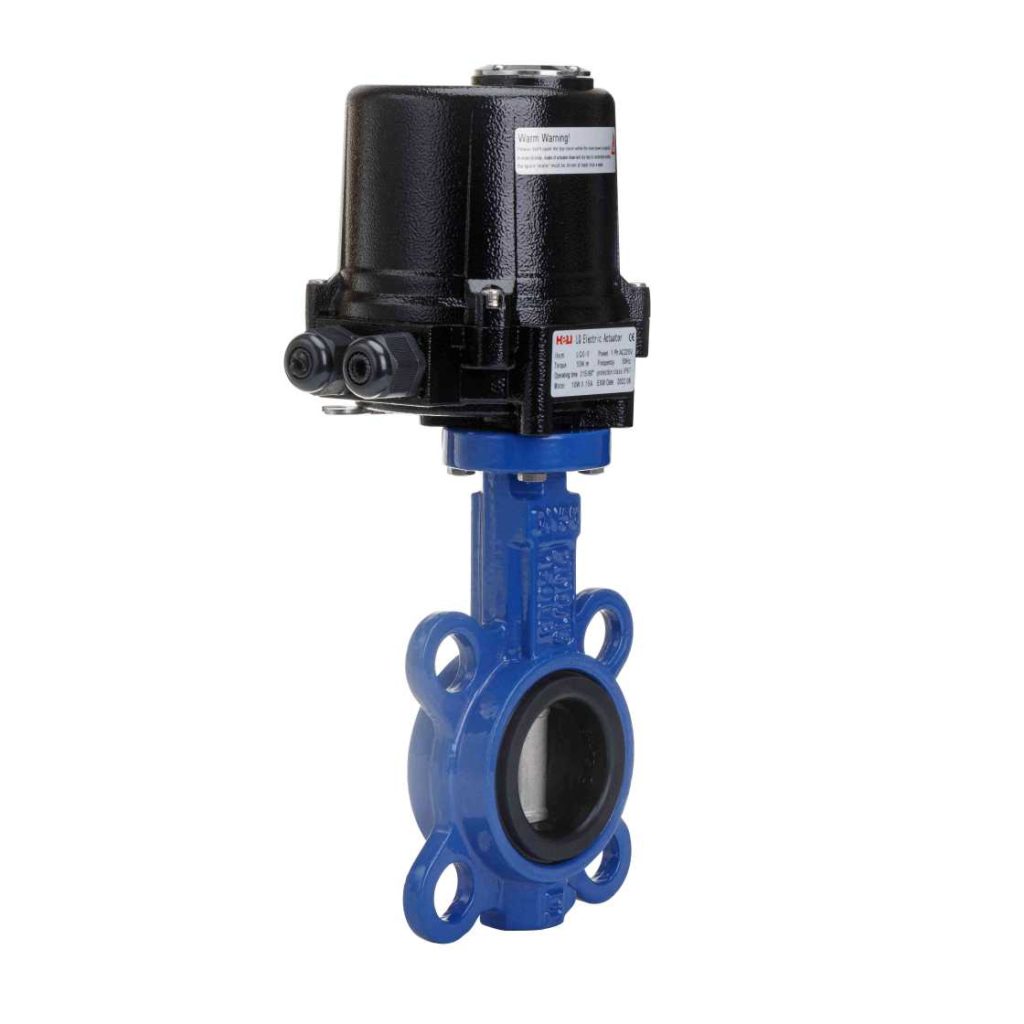
Design and Construction of the WCB Electric Butterfly Valve
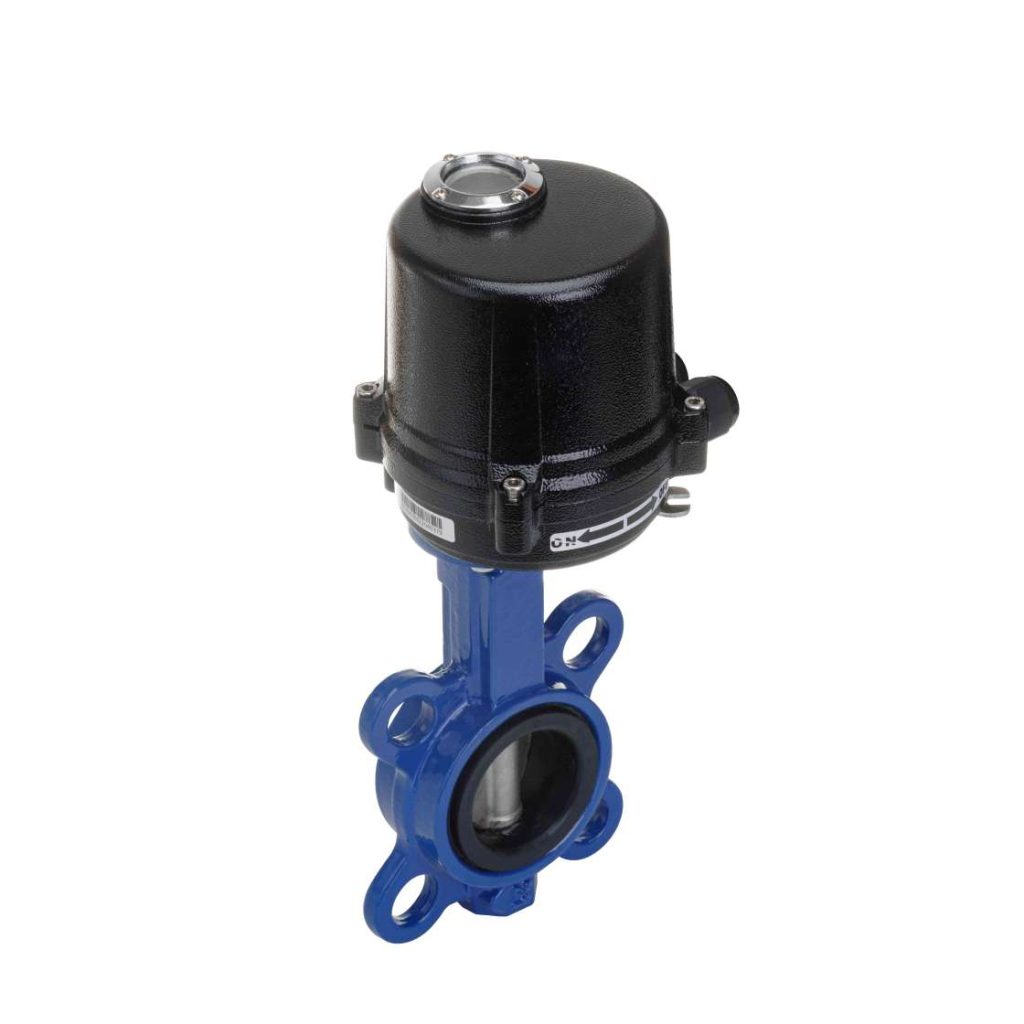
The WCB Electric Butterfly Valve typically consists of a valve body, a disc, an electric actuator, and various seals. The valve body is often made ofWCB carbon steel, a material renowned for its high strength, excellent corrosion resistance, and ability to withstand high pressures and temperatures. The disc, which is the key component controlling the flow of fluid, is mounted on a shaft and rotates to either open or close the valve. The electric actuator, which is powered by an electric motor, is responsible for moving the valve’s disc. This actuator can be controlled remotely or manually through various control systems, including automation and PLC (Programmable Logic Controller) systems. The electric actuator’s precision allows for highly accurate control over the flow rate, making the WCB Electric Butterfly Valve suitable for applications requiring consistent and precise flow regulation.