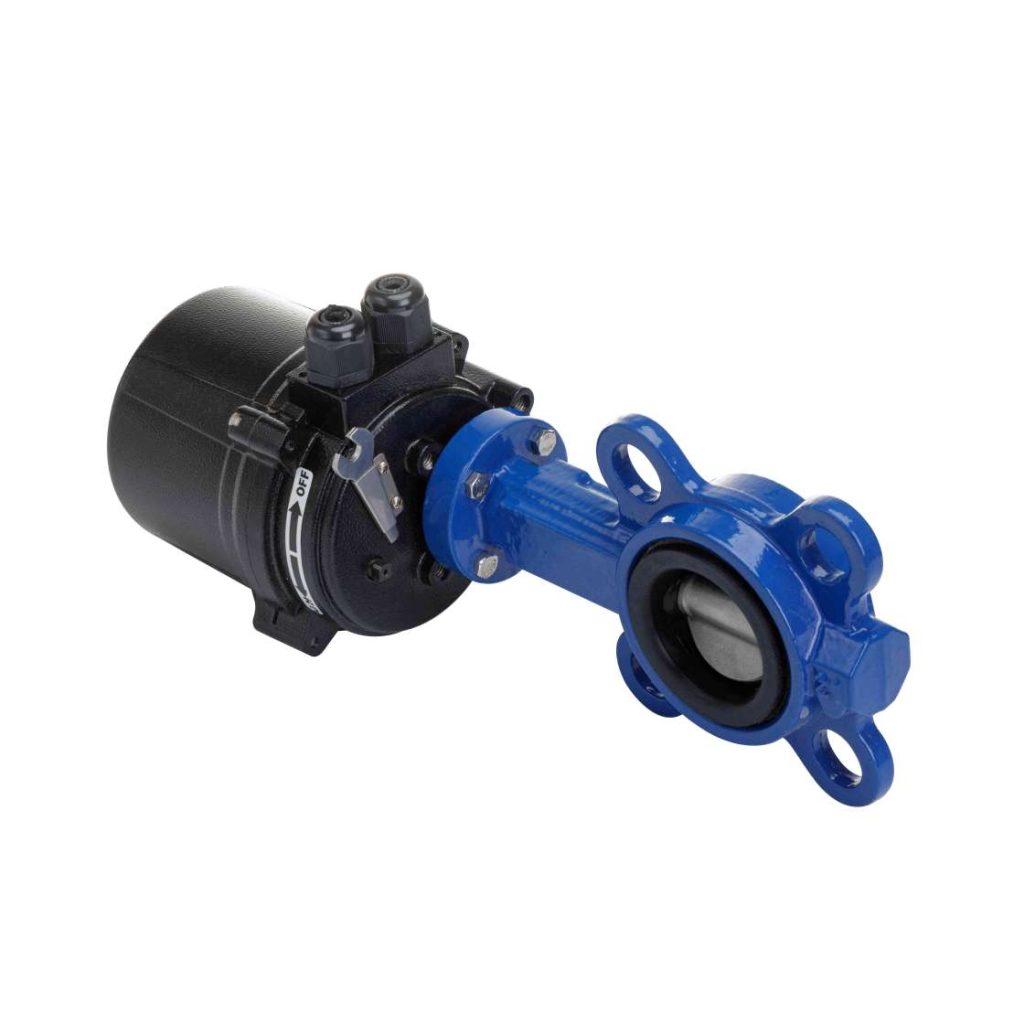
The WCB Electric Butterfly Valve is a crucial component in various industries, combining the versatile design of the butterfly valve with the precise control capabilities of an electric actuator. Known for its efficiency, durability, and ease of use, this valve type plays an essential role in controlling the flow of liquids, gases, and other fluids in a wide range of applications. In this article, we will delve into the features, advantages, and applications of the WCB Electric Butterfly Valve to better understand its role in modern industrial systems.
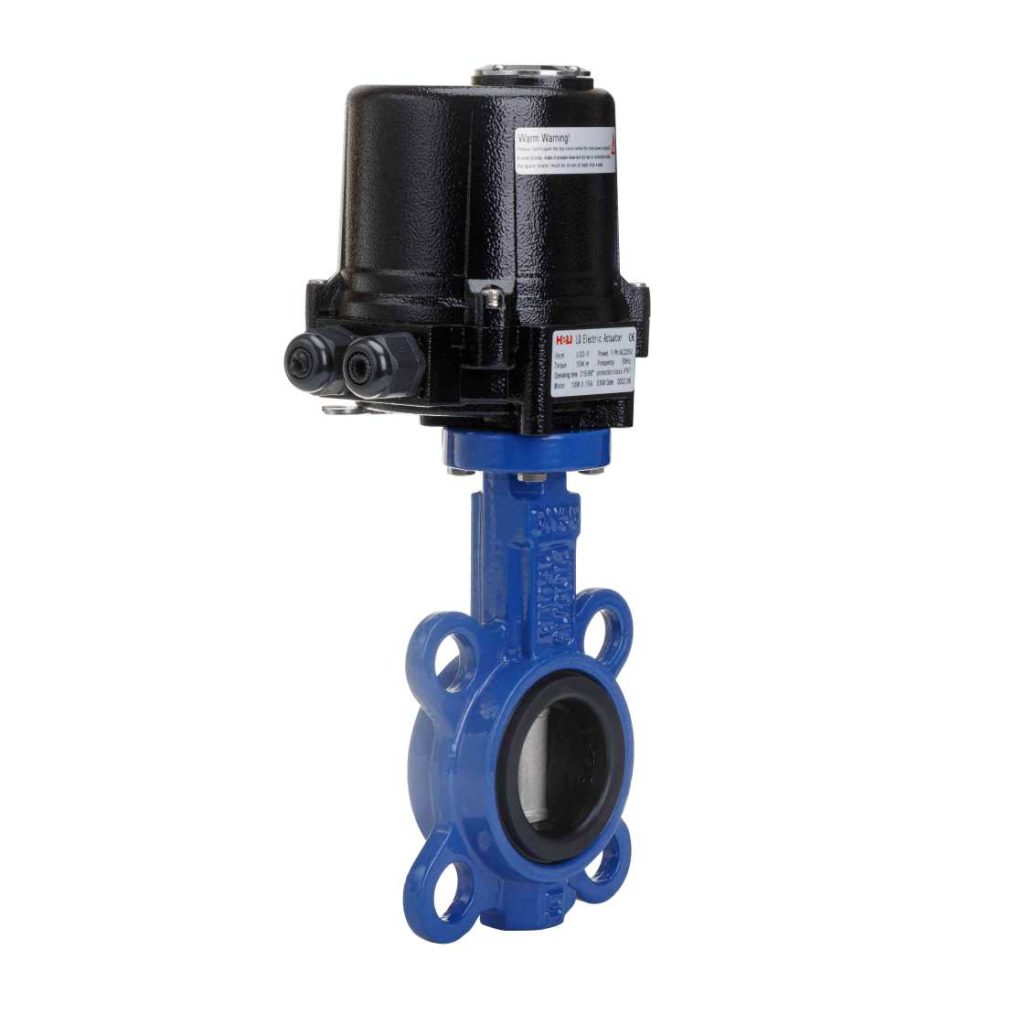
What is a WCB Electric Butterfly Valve?
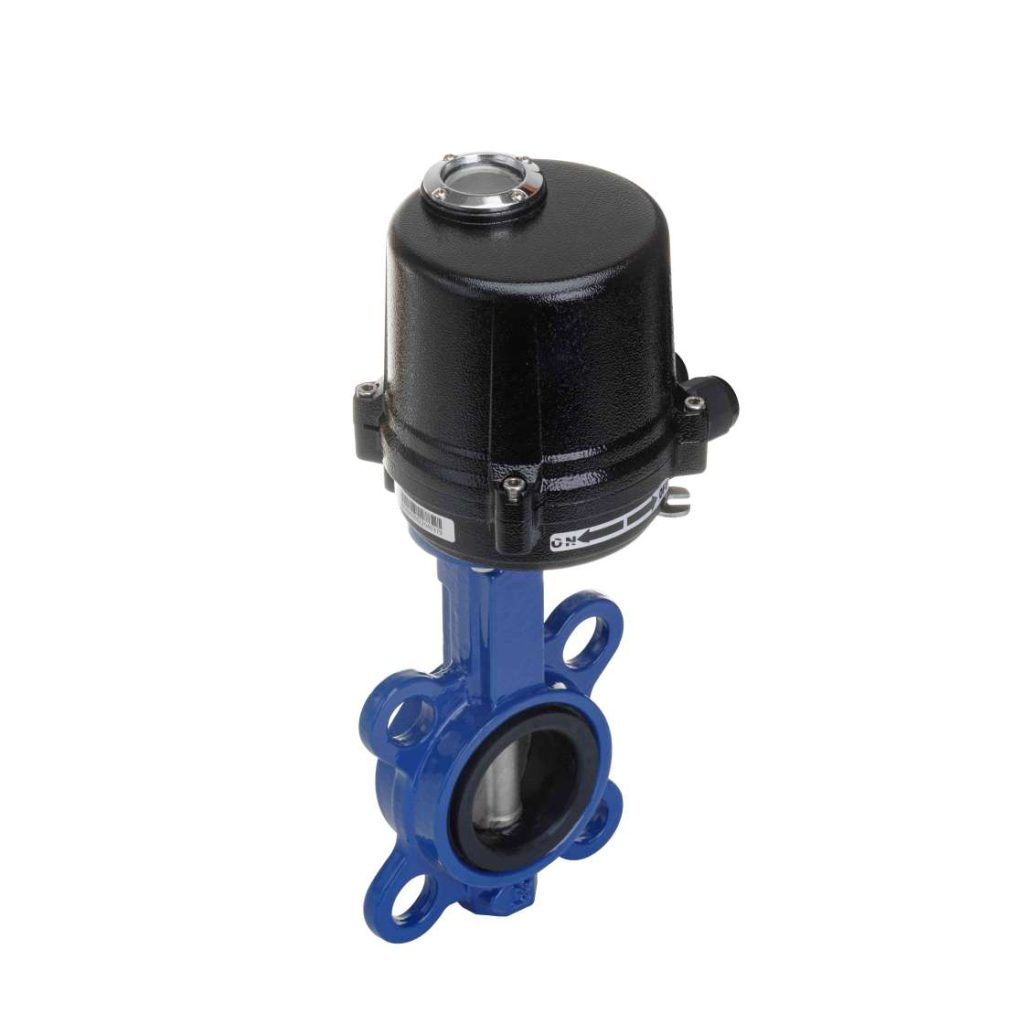
A WCB Electric Butterfly Valve is a type of valve designed to regulate or isolate the flow of media through a pipeline. The valve’s body is made from WCB material, a grade of carbon steel known for its strength and resistance to moderate corrosion, making it suitable for medium and low-pressure applications. The “electric” in the name refers to the electric actuator that operates the valve, allowing for precise control of the valve position without manual intervention. The valve’s structure is based on a rotating disc or “butterfly” that pivots within the pipe. By turning the disc, the valve can regulate or completely stop the flow of the medium. This rotating mechanism makes the butterfly valve an ideal choice for applications requiring fast and efficient control of large volumes of fluid.