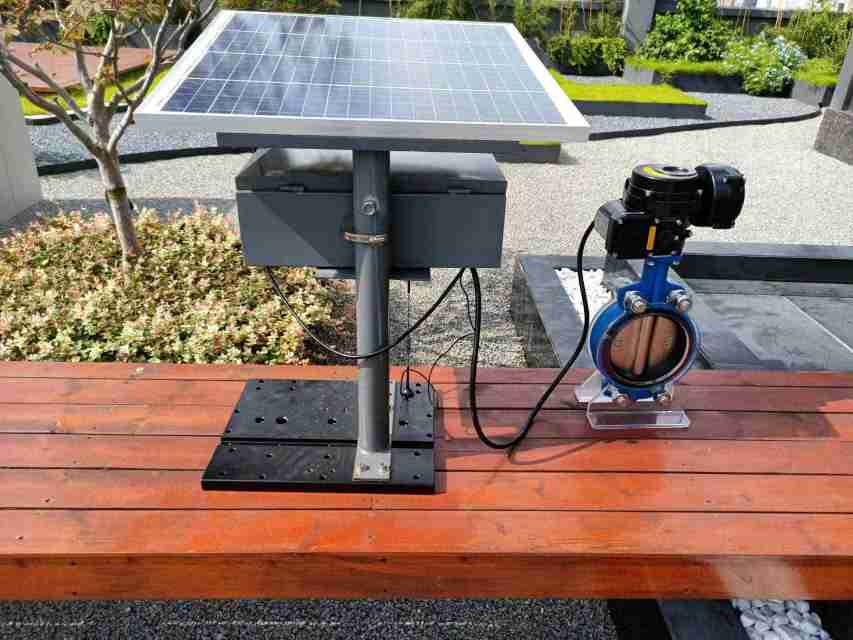
The advancement of renewable energy technologies has ushered in a new era of sustainable energy production. Among these innovations, the WCB Photovoltaic Electric Valve stands out as a vital component in the management and optimization of photovoltaic (PV) systems. Designed to enhance safety, efficiency, and reliability, this electric valve plays a crucial role in solar power applications. In this article, we will explore the functionality, benefits, and applications of the WCB Photovoltaic Electric Valve, shedding light on its significance in the renewable energy landscape.
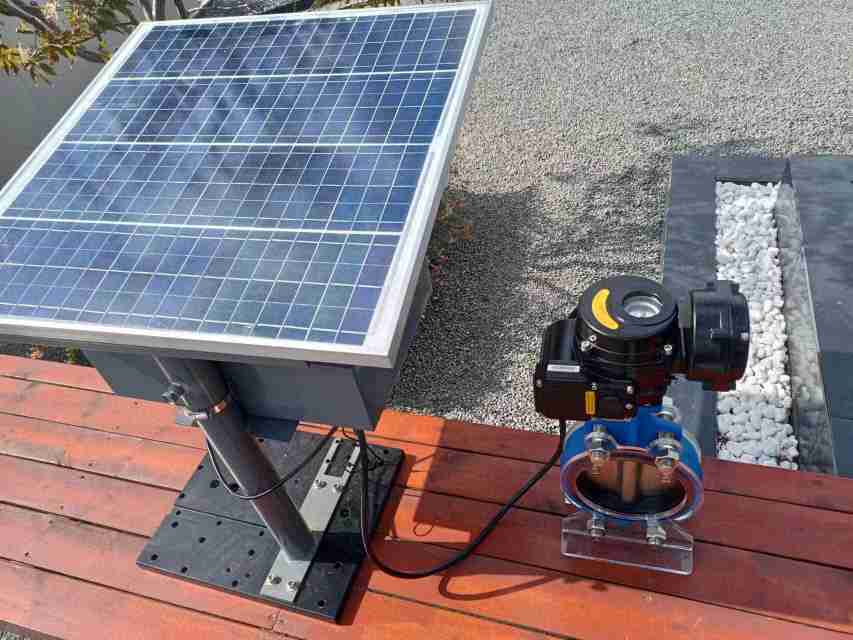
Functionality of the WCB Photovoltaic Electric Valve
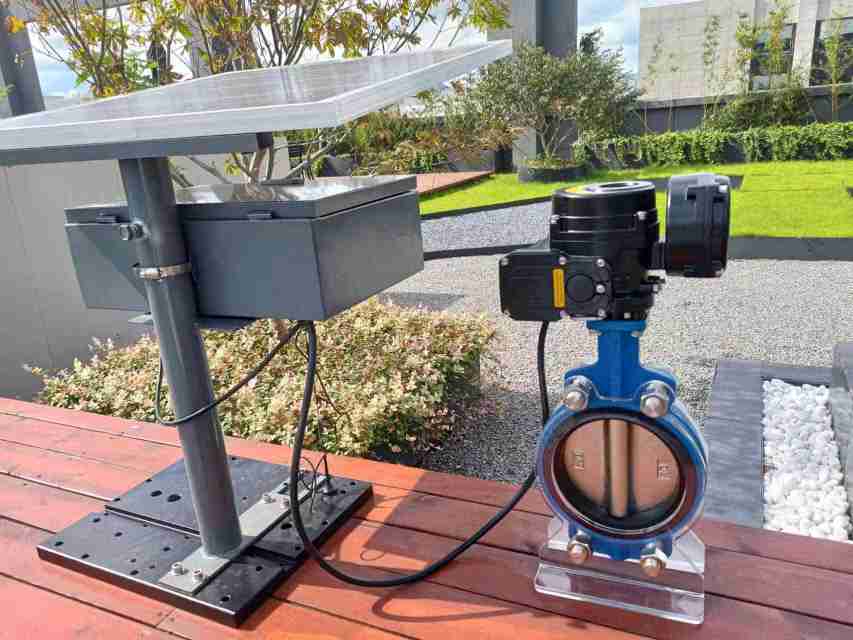
At its core, the WCB Photovoltaic Electric Valve is designed to control the flow of electricity generated by solar panels. As sunlight strikes a photovoltaic cell, an electric current is produced, which can be directed to either the inverter or the grid. The WCB electric valve acts as a switch that can automatically open or close based on various conditions, predominantly determined by available sunlight. The operation of the valve is typically controlled by photovoltaic energy itself, allowing it to function autonomously without the need for external power sources. In daylight conditions, the valve opens, facilitating the flow of electric current, while it closes when there is no sunlight, ensuring that the system remains isolated for safety during maintenance or emergencies.