In today’s rapidly advancing technological landscape, lithium-ion batteries have become the cornerstone of portable electronics, electric vehicles, and renewable energy storage systems. However, with the increasing adoption of lithium batteries, the risks associated with their use have also gained attention, prompting the need for robust safety mechanisms. One of the key safety features that has emerged in this context is the WCB (Wet Charged Battery) lithium battery valve. This article aims to provide a comprehensive overview of the WCB lithium battery valve, exploring its functionality, importance, and the evolving landscape of battery safety.
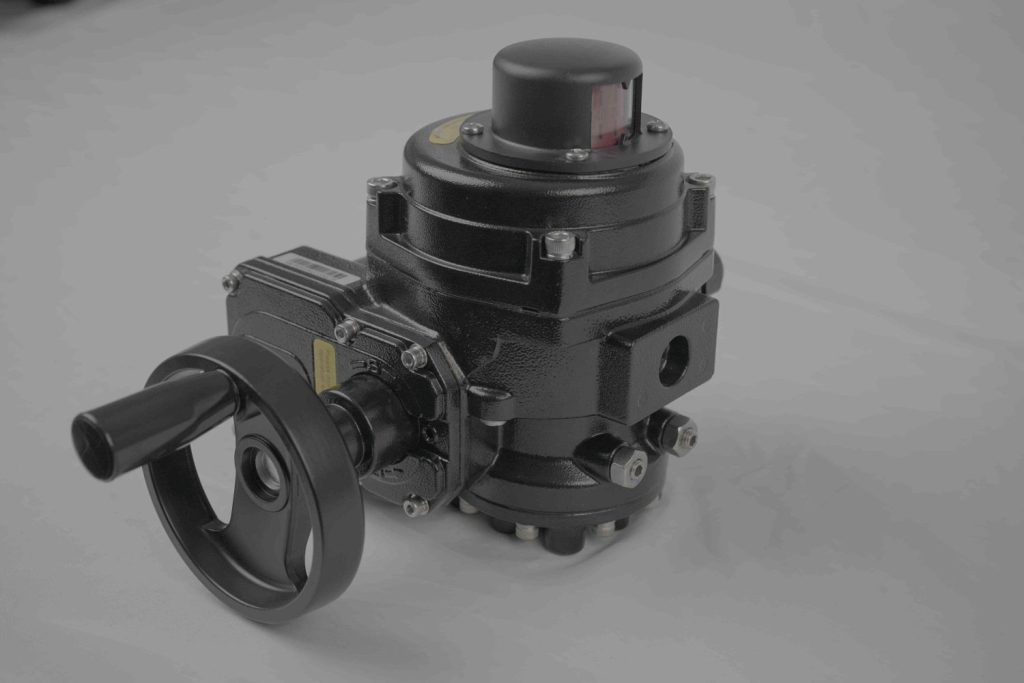
The Functionality of the WCB Lithium Battery Valve The WCB lithium battery valve is designed to manage the internal pressure generated within a lithium battery during its operation. Various factors, such as overcharging, short circuits, or elevated temperatures, can lead to increased gas production within the battery. If left uncontrolled, this pressure could result in catastrophic failures, including explosions or leaks. The WCB valve acts as a critical fail-safe, monitoring the internal pressure and releasing gases safely when the pressure exceeds a predetermined threshold. At its core, the WCB lithium battery valve is a pressure relief mechanism. When the sensed internal pressure surpasses the set safety limit, the valve opens to release excess gas, thus preventing further pressure buildup. Notably, many WCB valves are designed to reseal themselves once the pressure returns to a safe level, ensuring that the battery remains hermetically sealed from external contaminants that could compromise its performance.