In recent years, lithium batteries have become the go-to energy source for a wide range of applications, from smartphones to electric vehicles. However, with their increased use, safety concerns related to these batteries have also grown. One of the most significant risks associated with lithium batteries is the potential for overpressure, which can lead to catastrophic failures like explosions or fires. This is where the WCB Lithium Battery Valve comes into play. This safety feature is designed to prevent such incidents by controlling internal pressure and ensuring the safe operation of lithium-ion batteries.
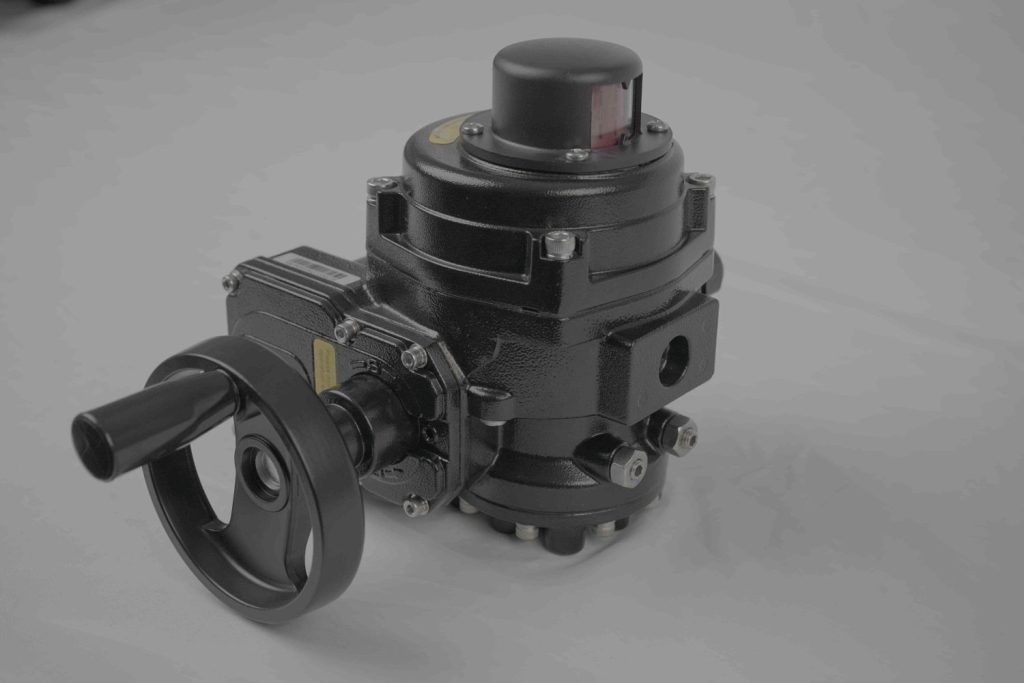
What is a WCB Lithium Battery Valve? The WCB Lithium Battery Valve is a specialized valve system integrated into the design of lithium-ion batteries. Its primary function is to maintain the internal pressure of the battery by releasing excess gas or pressure when necessary. This valve plays a crucial role in preventing the battery from bursting or catching fire under extreme conditions such as overcharging, short circuits, or thermal runaway. The “WCB” designation stands for a type of safety valve that is often used in critical applications where pressure management is essential. The valve is designed to be an automatic, fail-safe mechanism that activates when the internal pressure of the battery exceeds a predefined threshold, thus allowing the gas to vent safely and preventing the battery casing from rupturing.