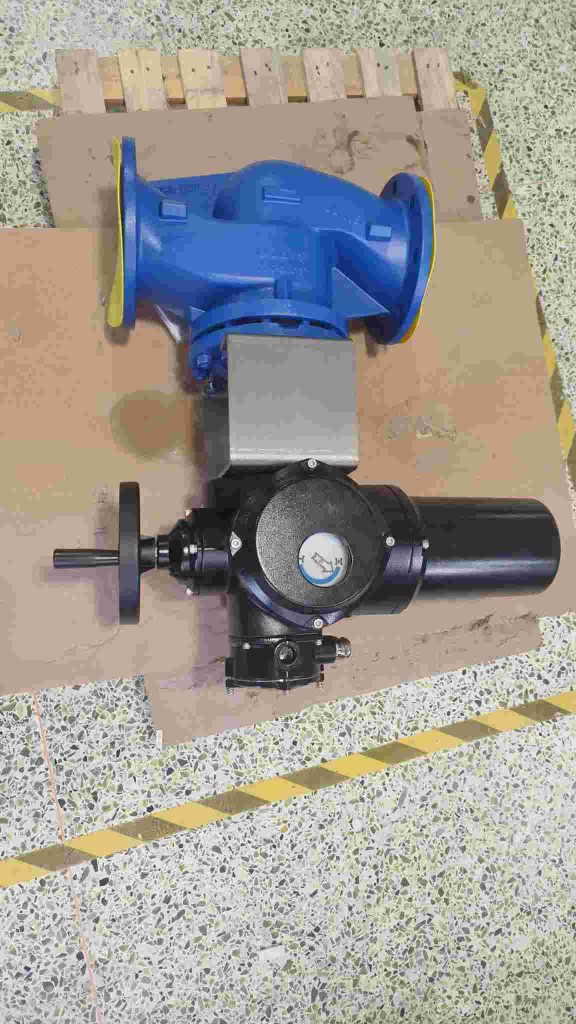
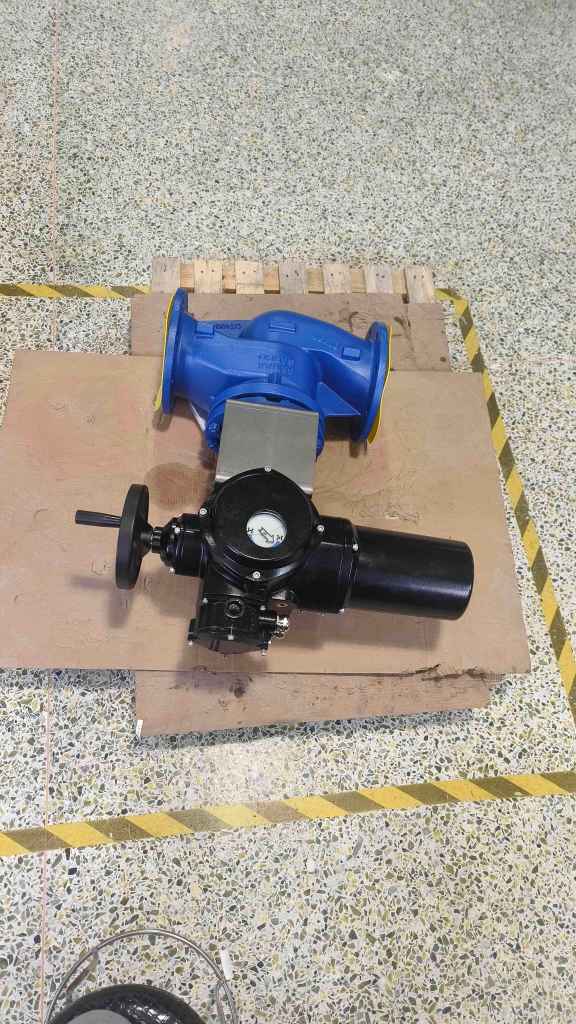
The WCB Electric Globe Valve is a widely used industrial valve designed to control the flow of fluids through a pipeline. Combining the robust properties of WCB (carbon steel) material with an electric actuator, this valve is often employed in various industries where precise flow control is critical. Whether in oil and gas, chemical processing, HVAC systems, or water treatment plants, the WCB Electric Globe Valve offers high performance, reliability, and efficient automation for fluid control. In this article, we will delve into the key features, applications, and benefits of this essential valve.
Key Features of the WCB Electric Globe Valve
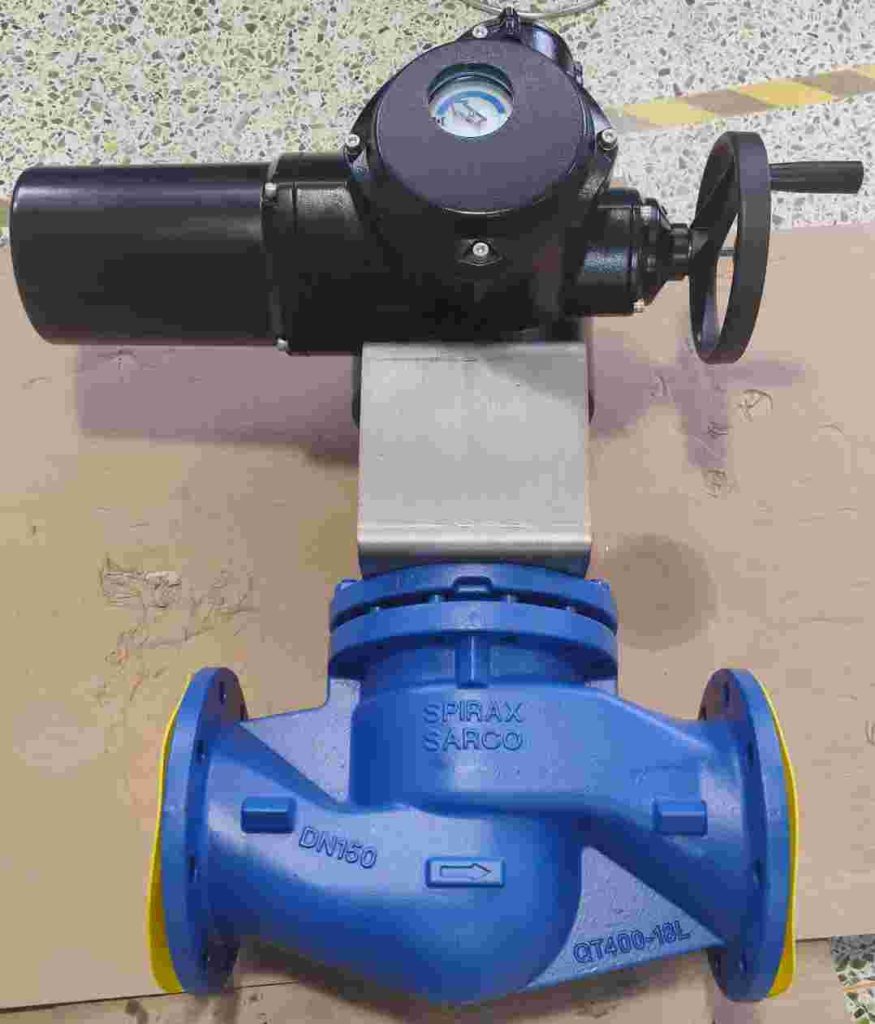
Material Composition – WCB Carbon Steel The “WCB” in the name of the valve refers to its material composition: WCB carbon steel. Carbon steel is widely chosen for its excellent mechanical properties and high strength, making it ideal for use in valves that operate in environments with moderate to high temperature and pressure. WCB material is resistant to corrosion and can withstand the mechanical stresses that occur during operation, providing both durability and reliability over an extended period of time. Electric Actuator The electric actuator is the core component that distinguishes the WCB Electric Globe Valve from traditional manual valves. The actuator uses an electric motor to control the position of the valve stem, adjusting the valve’s opening or closing to regulate the flow of fluids. This enables precise control over the flow rate and allows for remote operation and integration with automated control systems, such as PLCs (programmable logic controllers), enhancing the system’s efficiency and safety.