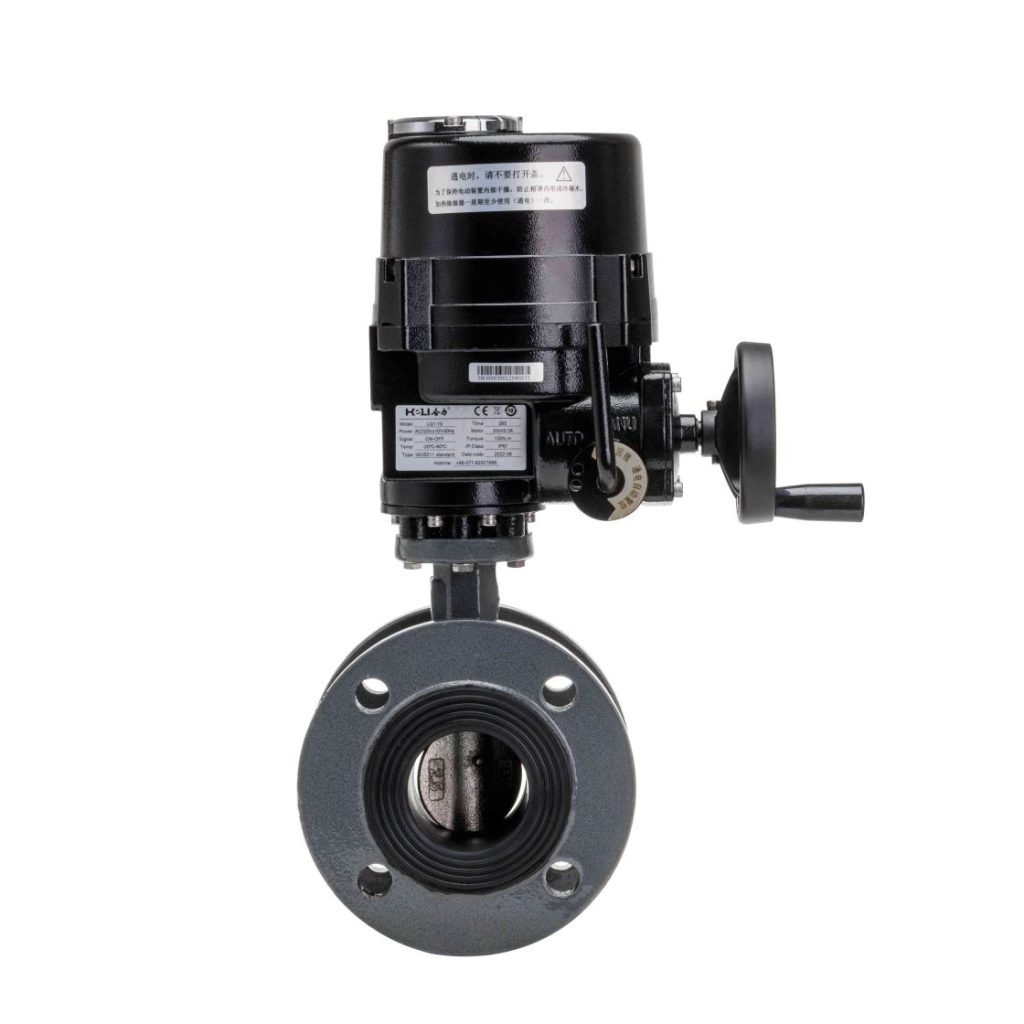
The WCB Electric Flange Ball Valve is a highly versatile and reliable valve system that is commonly used in various industrial applications, including oil and gas, chemical processing, power generation, and HVAC systems. This valve combines the advantages of both ball valve technology and electric actuators, providing efficient fluid control with the convenience of automation. In this article, we will explore the key features, advantages, applications, and working principles of the WCB Electric Flange Ball Valve.
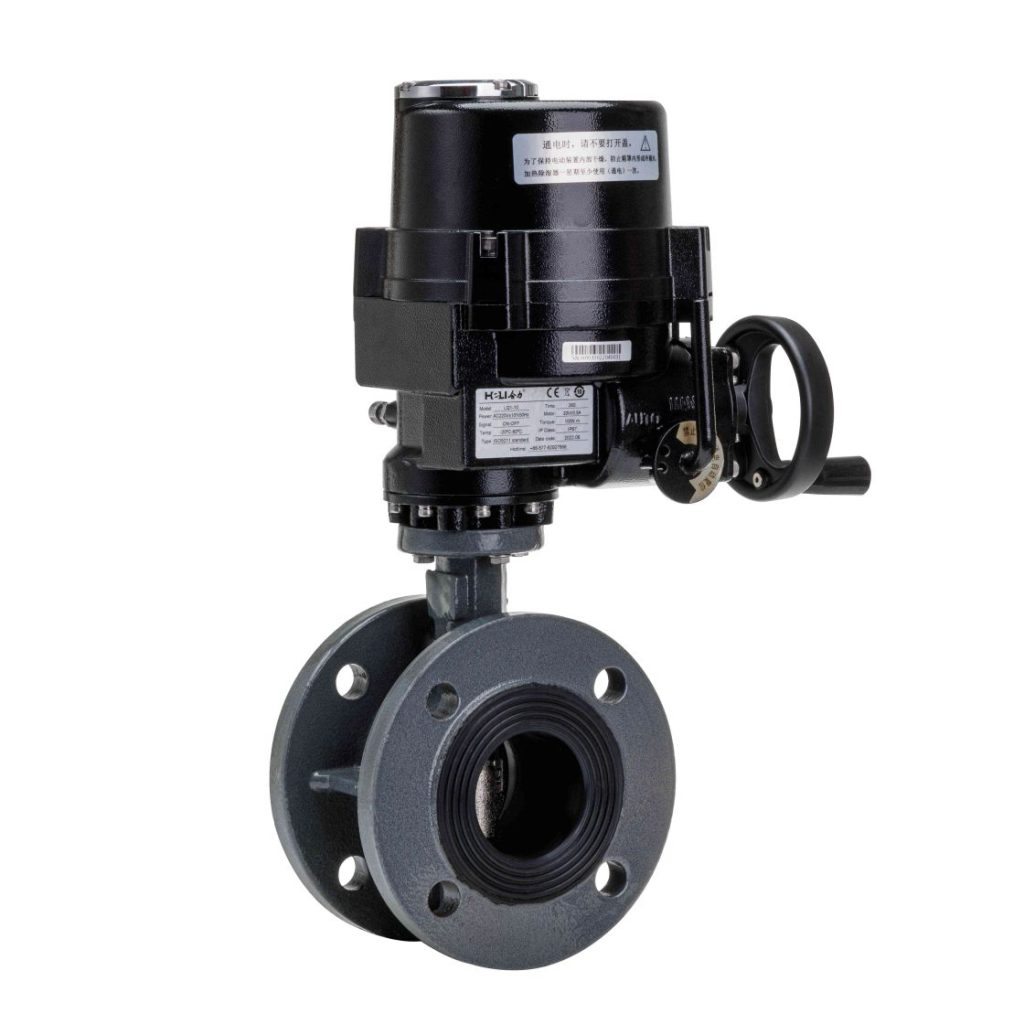
1. What is a WCB Electric Flange Ball Valve?
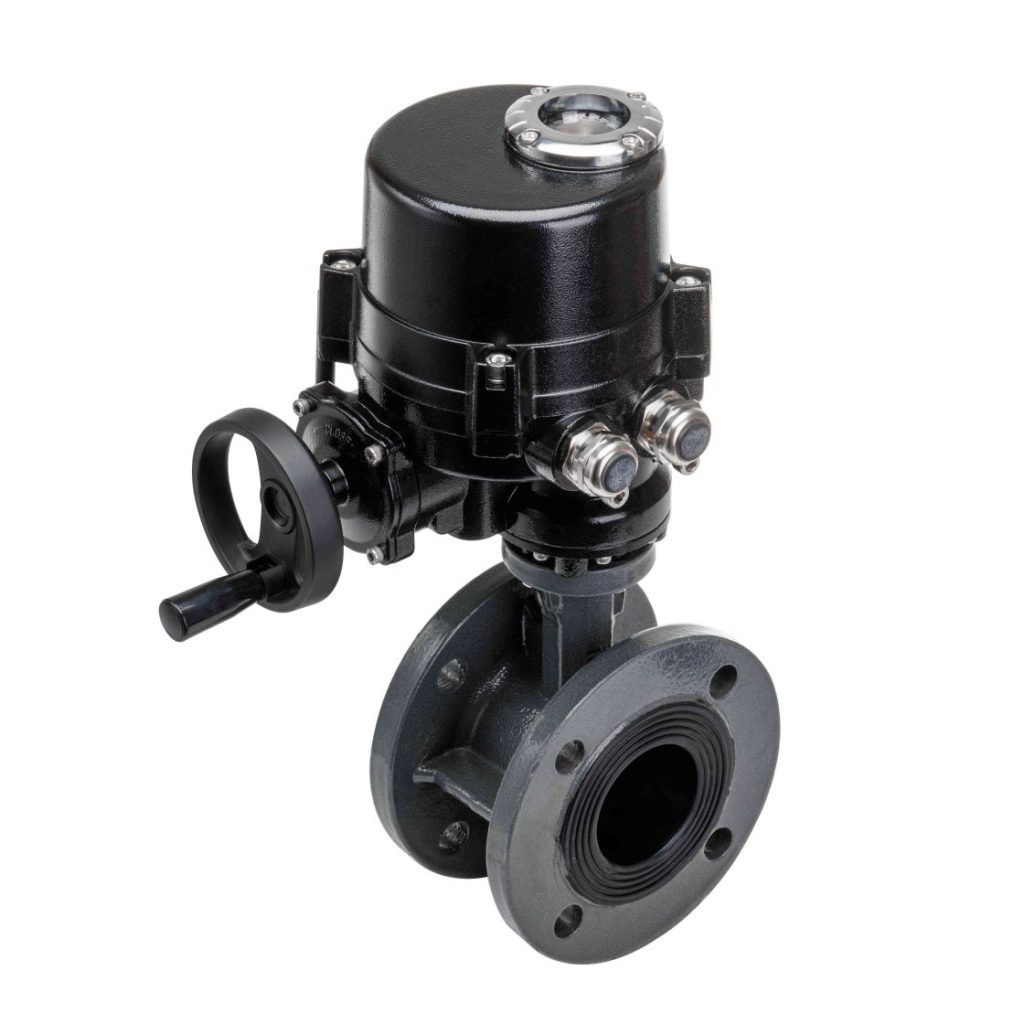
A WCB Electric Flange Ball Valve is a type of ball valve that uses a WCB (Wrought Carbon Steel) material for its construction. The valve is equipped with an electric actuator that allows for automated control, making it ideal for remote or automated systems. It also features a flange connection, which allows the valve to be securely attached to pipes for efficient fluid control. The WCB material is commonly used in high-pressure and high-temperature environments, thanks to its excellent mechanical strength and resistance to corrosion. 2. Key Components of the WCB Electric Flange Ball Valve