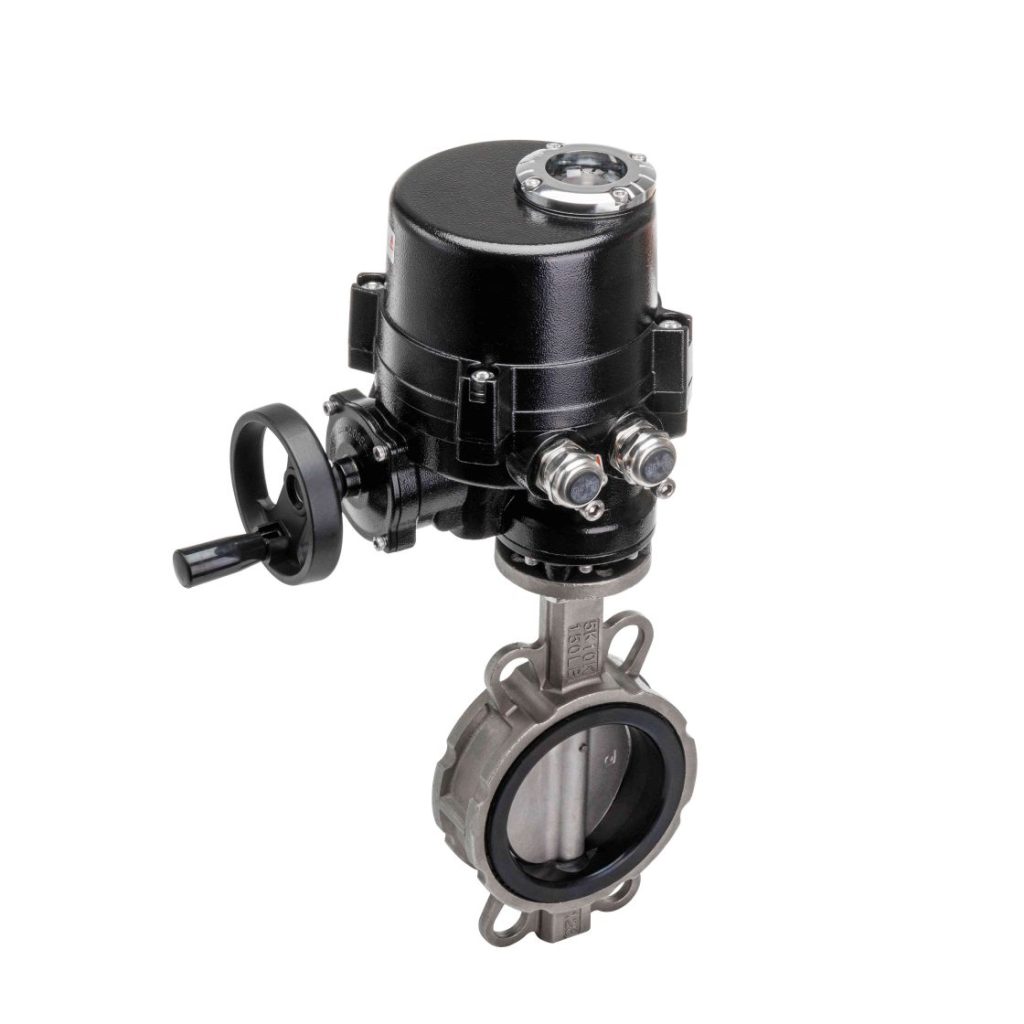
The WCB Electric Clamp Butterfly Valve is a crucial component in modern fluid control systems, known for its efficiency, reliability, and versatility across various industrial applications. This article aims to provide a comprehensive understanding of the WCB Electric Clamp Butterfly Valve, exploring its design features, operational principles, and the specific applications it is best suited for.
Design Features
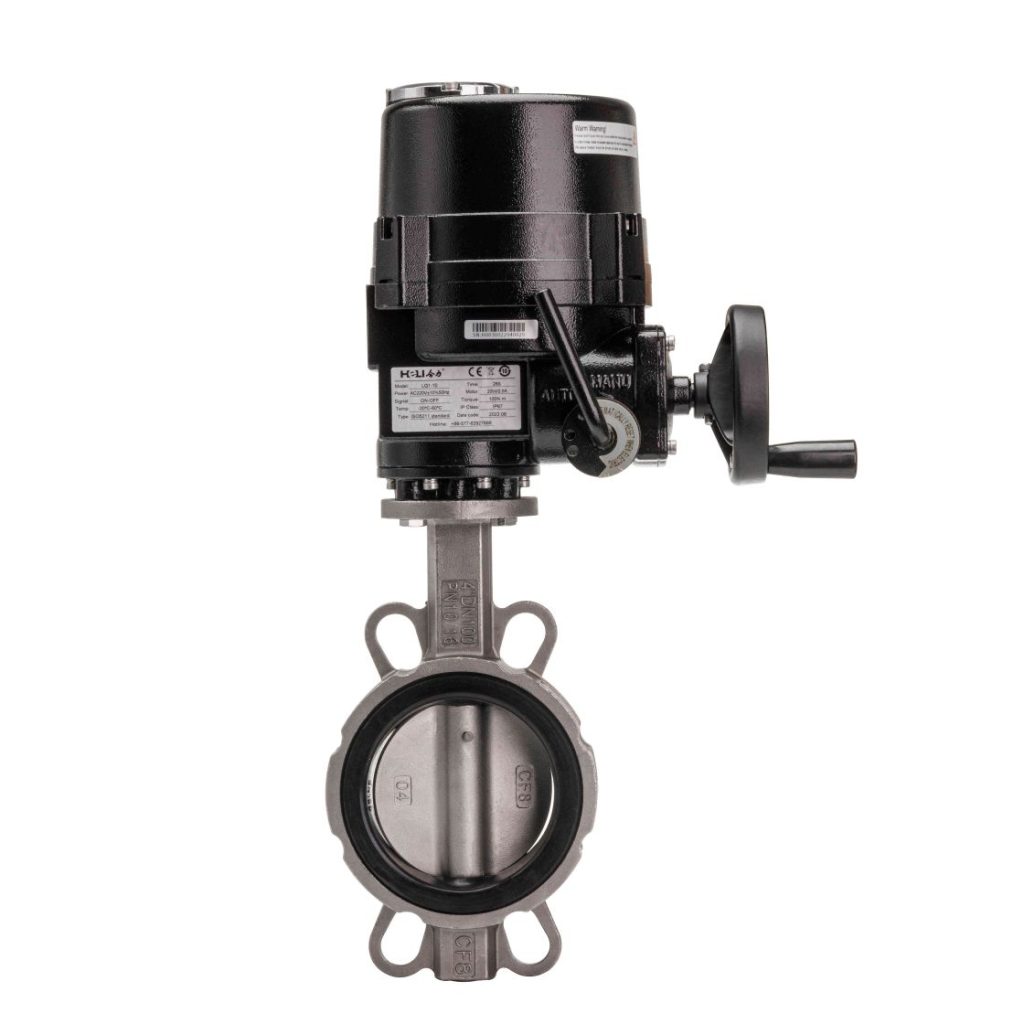
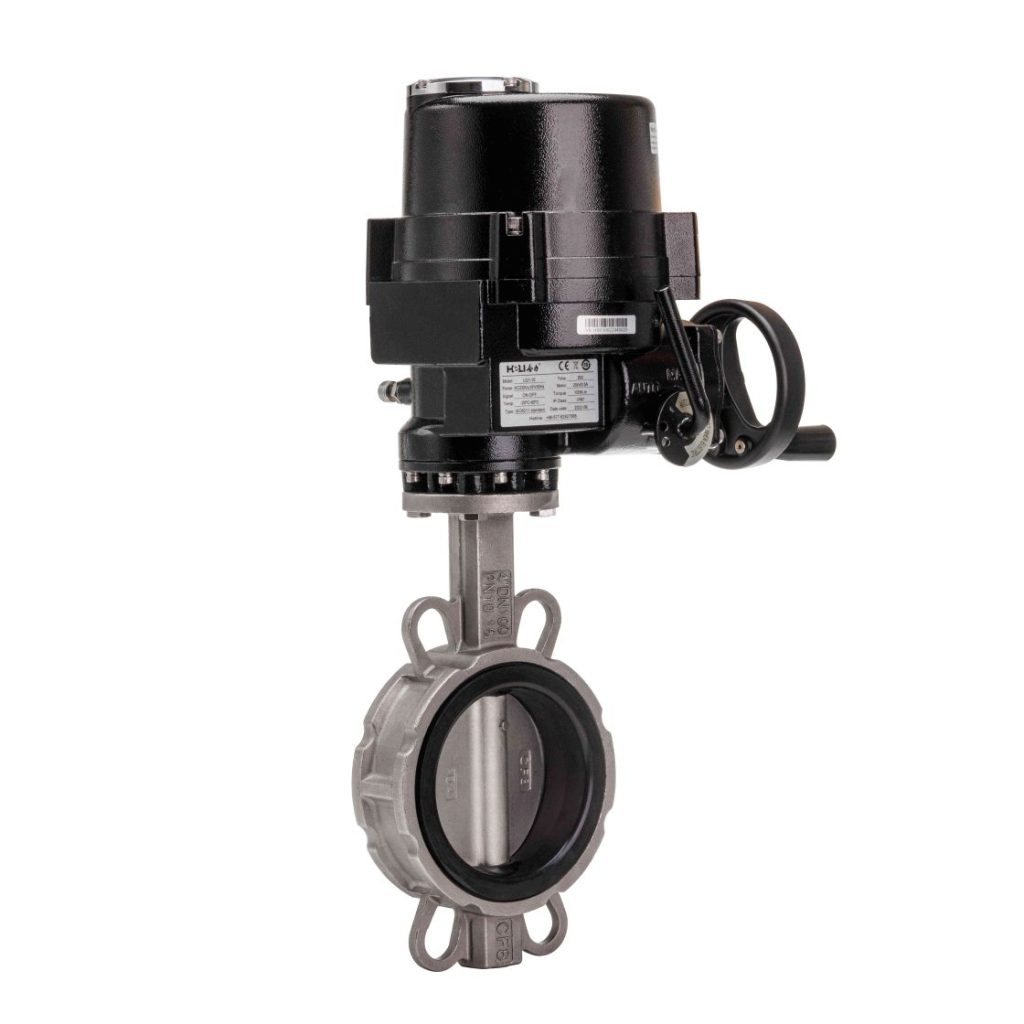
The WCB Electric Clamp Butterfly Valve is characterized by its unique design, which incorporates a circular disc positioned within the valve body. This disc, or butterfly, acts as the regulating element, turning on a shaft to open or close the flow path. The construction of the valve usually includes a robust carbon steel (WCB stands for “Weathering Carbon Steel”) or stainless steel body, ensuring durability and resistance to corrosion under harsh operational conditions. The electric actuator is a significant feature of this valve type. It allows for remote operation and automation capabilities, enhancing the efficiency of process control systems. With varying options for actuation—including AC and DC motors—the electric drive can be tailored for specific operational needs, allowing for precise control of the flow rate.