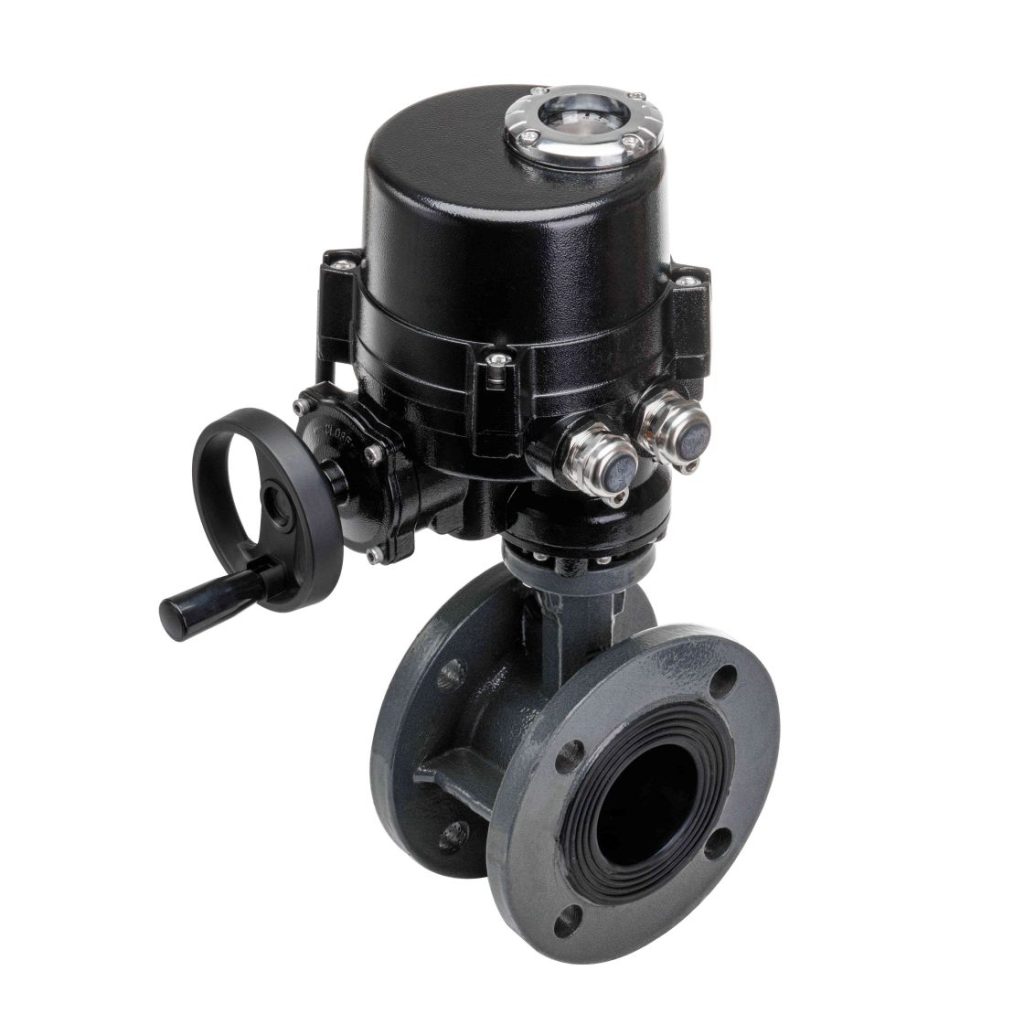
The WCB Electric Ball Valve is a critical component in many industrial fluid control systems, offering a precise, automated way to manage the flow of liquids, gases, and steam. Its popularity in various sectors, from chemical processing to oil and gas, stems from its durability, ease of control, and versatility. In this article, we will explore the features, working principles, and applications of WCB Electric Ball Valves, shedding light on why they are indispensable in modern industrial operations.
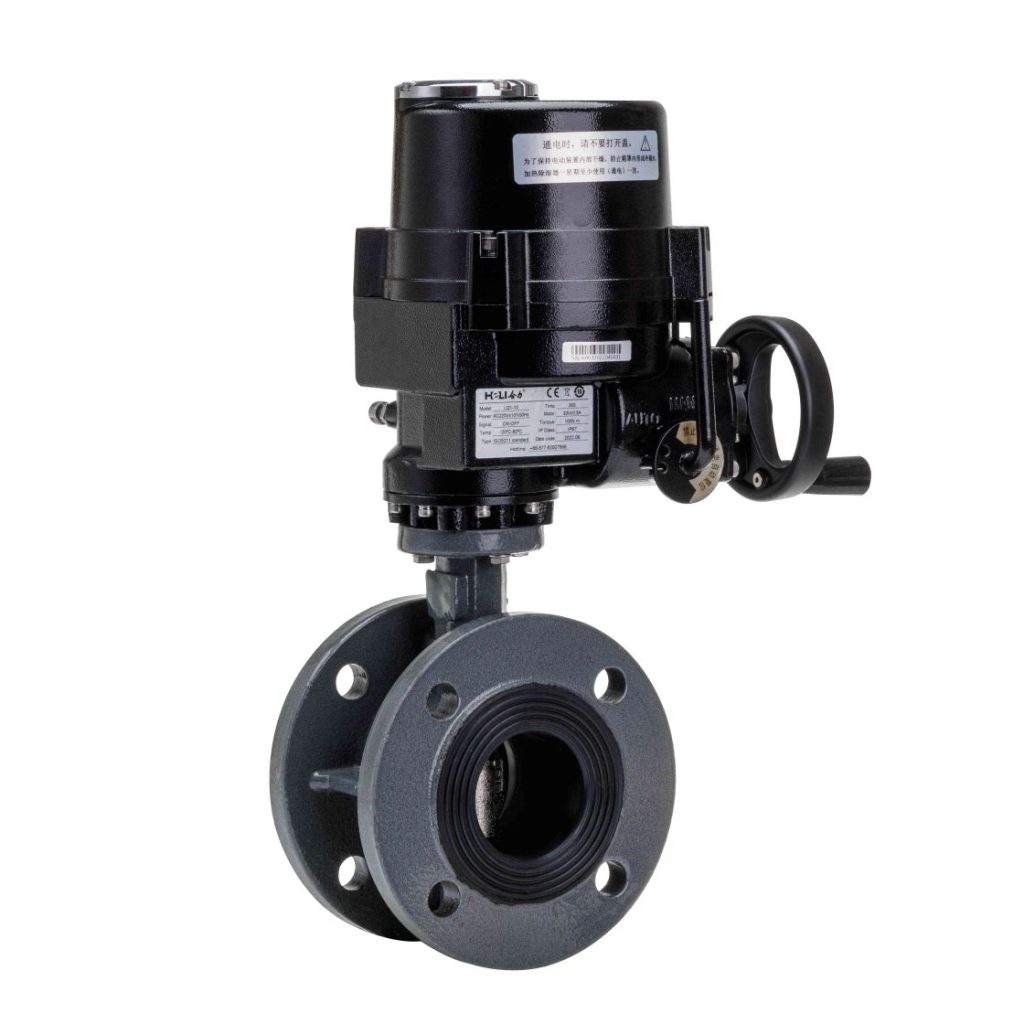
What is a WCB Electric Ball Valve?
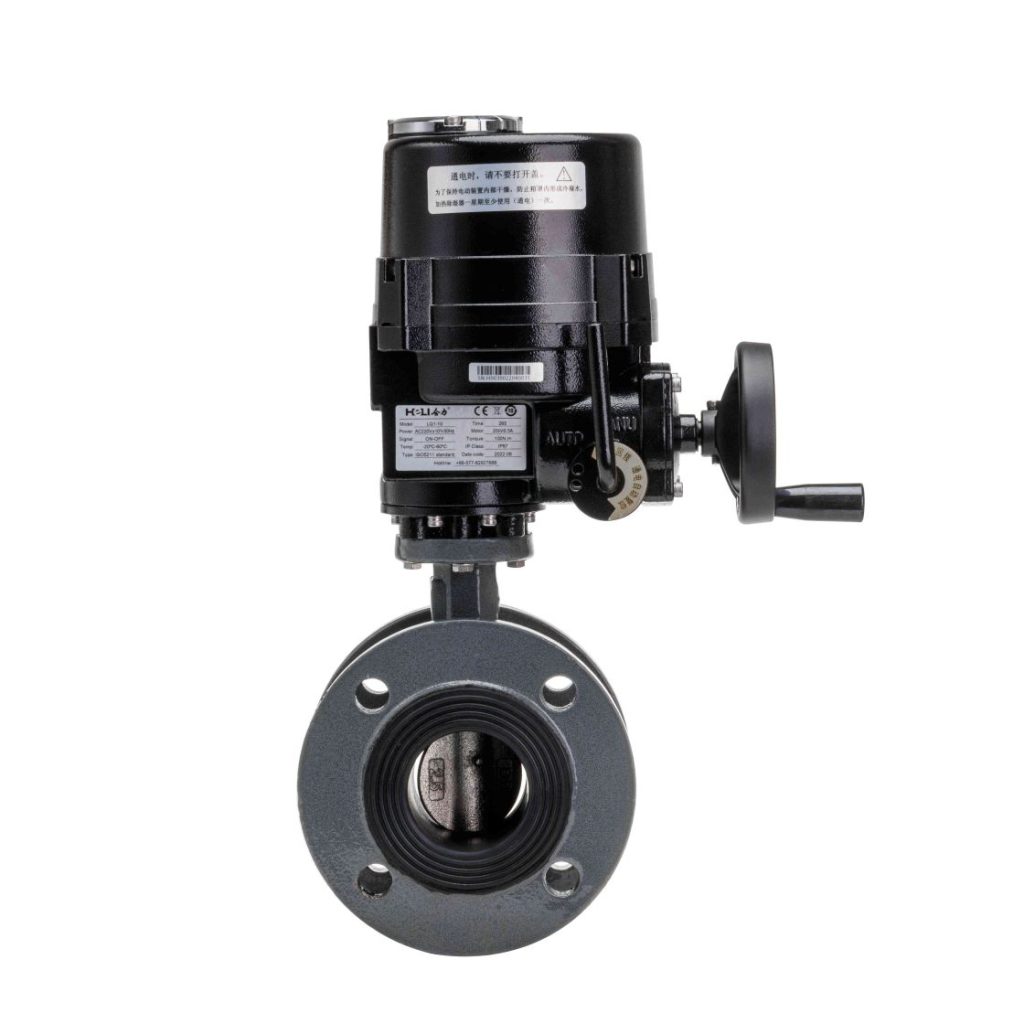
A WCB Electric Ball Valve is a type of valve that uses an electric actuator to control the opening and closing of the ball inside the valve body. The “WCB” designation refers to the material used for the valve body, which is usually carbon steel (specifically ASTM A105). This material is favored for its strength, cost-effectiveness, and ability to withstand high-pressure environments. The electric actuator is responsible for automating the valve’s function, enabling it to be controlled remotely through an electrical signal. This makes the WCB Electric Ball Valve an ideal solution for industries that require continuous, precise, and remote control of fluid flow.