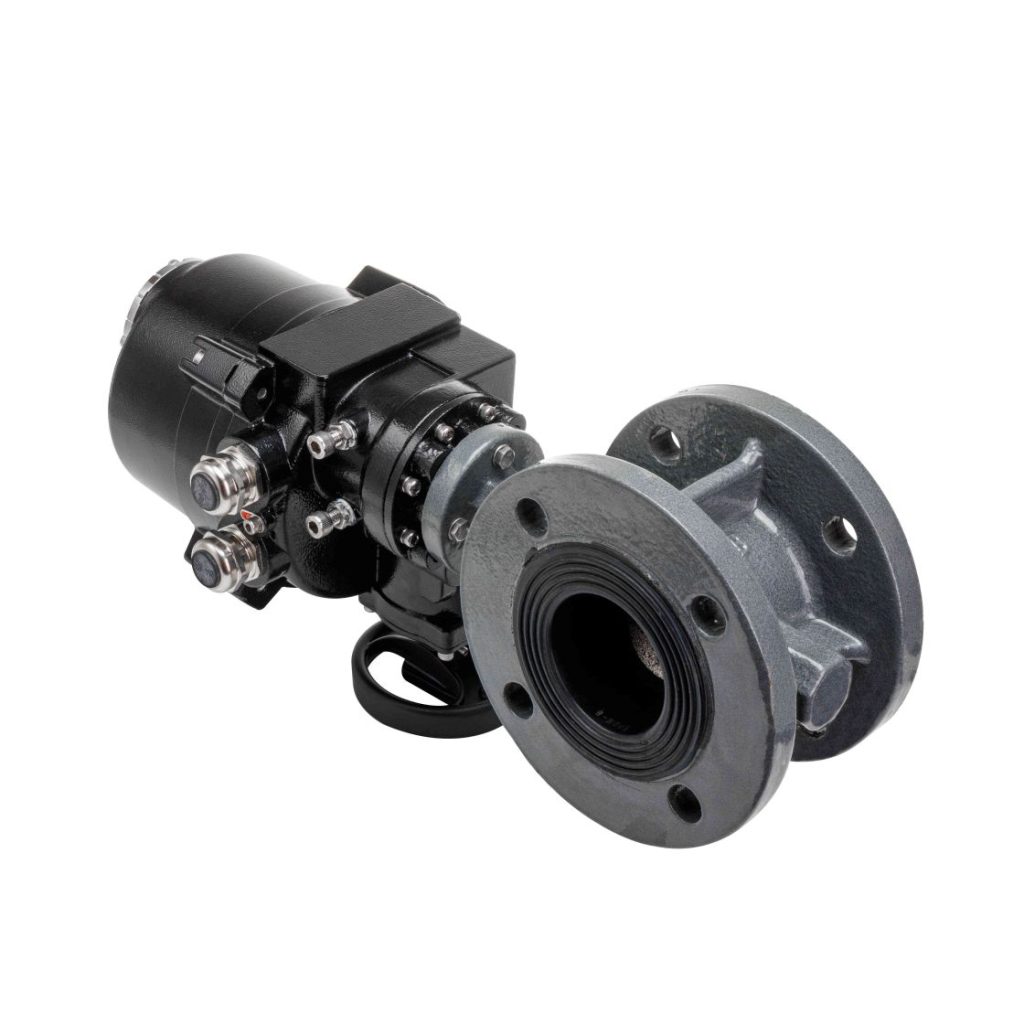
In the realm of industrial automation and fluid control systems, the Stainless Steel Electric Rotary Ball Valve stands out as a crucial component utilized across various sectors. This type of valve is designed to manage the flow of liquids and gases efficiently, offering precise control while enhancing operational safety. In this article, we will explore the structure, working principles, advantages, applications, and maintenance aspects of the stainless steel electric rotary ball valve.
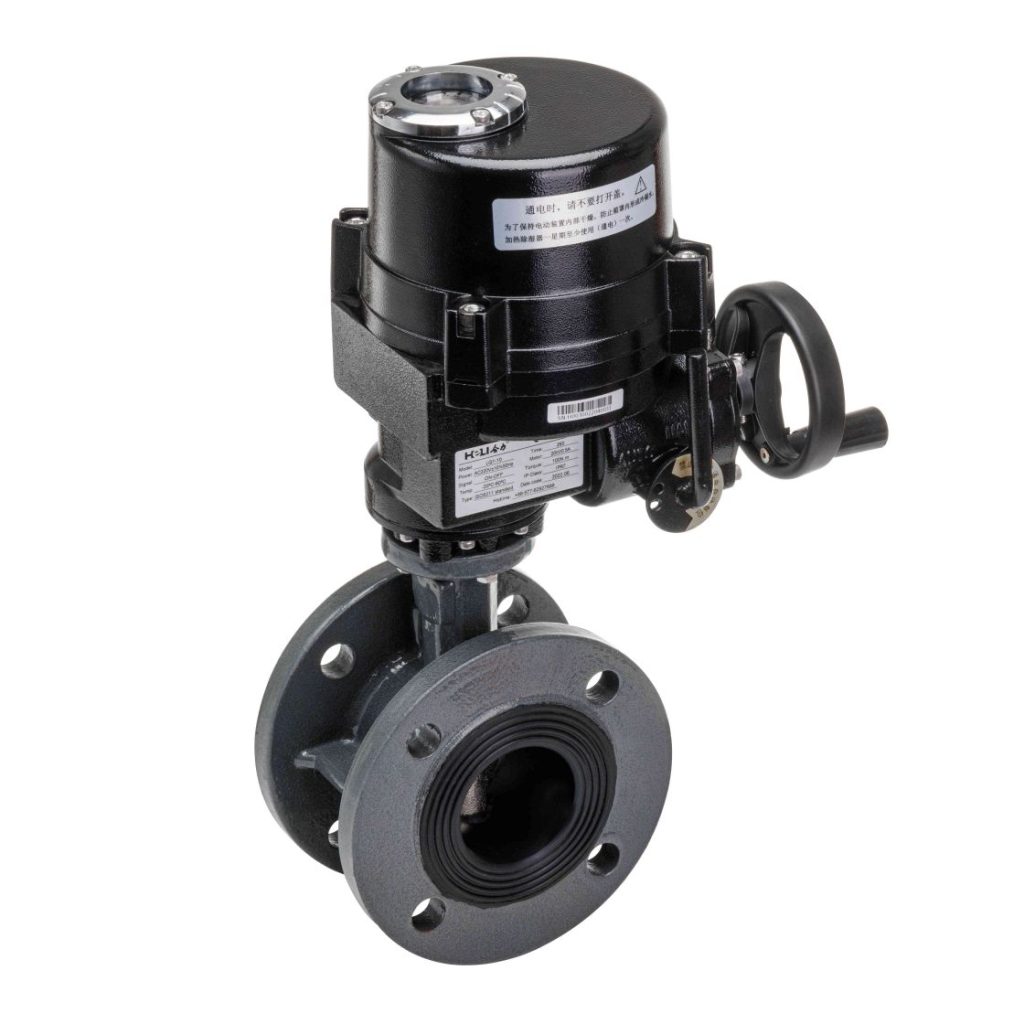
Structure and Material
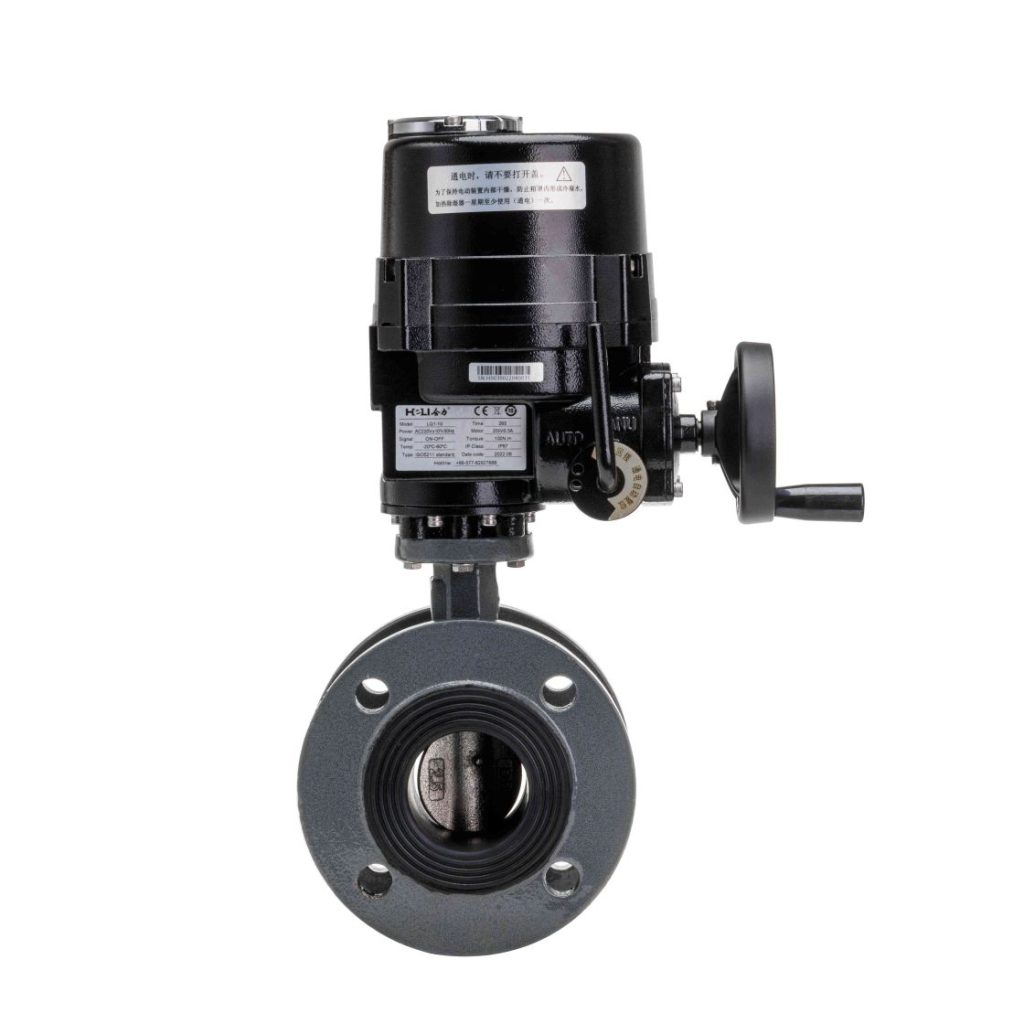
The construction of a stainless steel electric rotary ball valve is integral to its performance and durability. The valve body is primarily made from high-quality stainless steel, known for its excellent corrosion resistance and ability to withstand high temperatures. This material choice is particularly beneficial in industries that deal with aggressive chemicals or harsh environments. The core of the valve is the ball, typically crafted from polished stainless steel or other corrosion-resistant materials. The smooth finish of the ball minimizes turbulence and pressure drops when fluid flows through the valve. Additionally, reliable sealing is ensured by materials such as PTFE (Polytetrafluoroethylene), which provide excellent wear resistance and leak-proof performance.