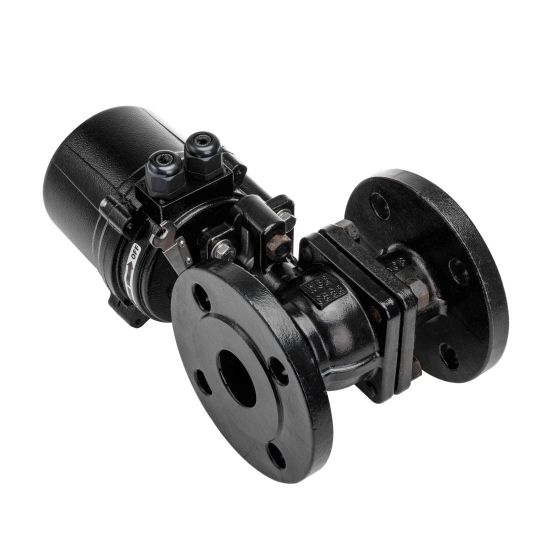
In the ever-evolving landscape of industrial automation and control, the significance of advanced valve technologies has become more pronounced. Among these, the Stainless Steel Electric High Temperature Ball Valve stands out as a robust solution capable of enduring extreme conditions while offering seamless control of fluid flow. This article will delve into the essential features, operational principles, applications, and advantages of this remarkable valve, elucidating why it is a preferred choice in various industries.
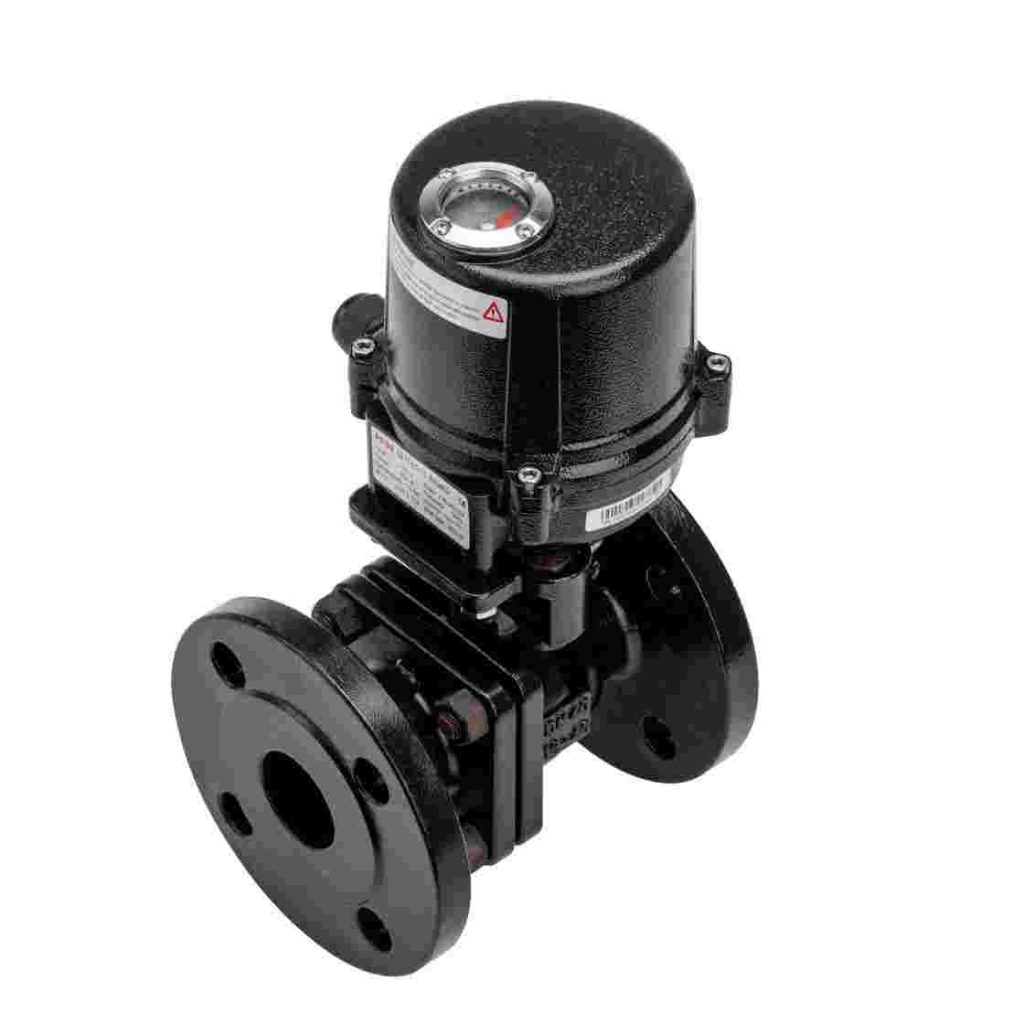
Features of Stainless Steel Electric High Temperature Ball Valve
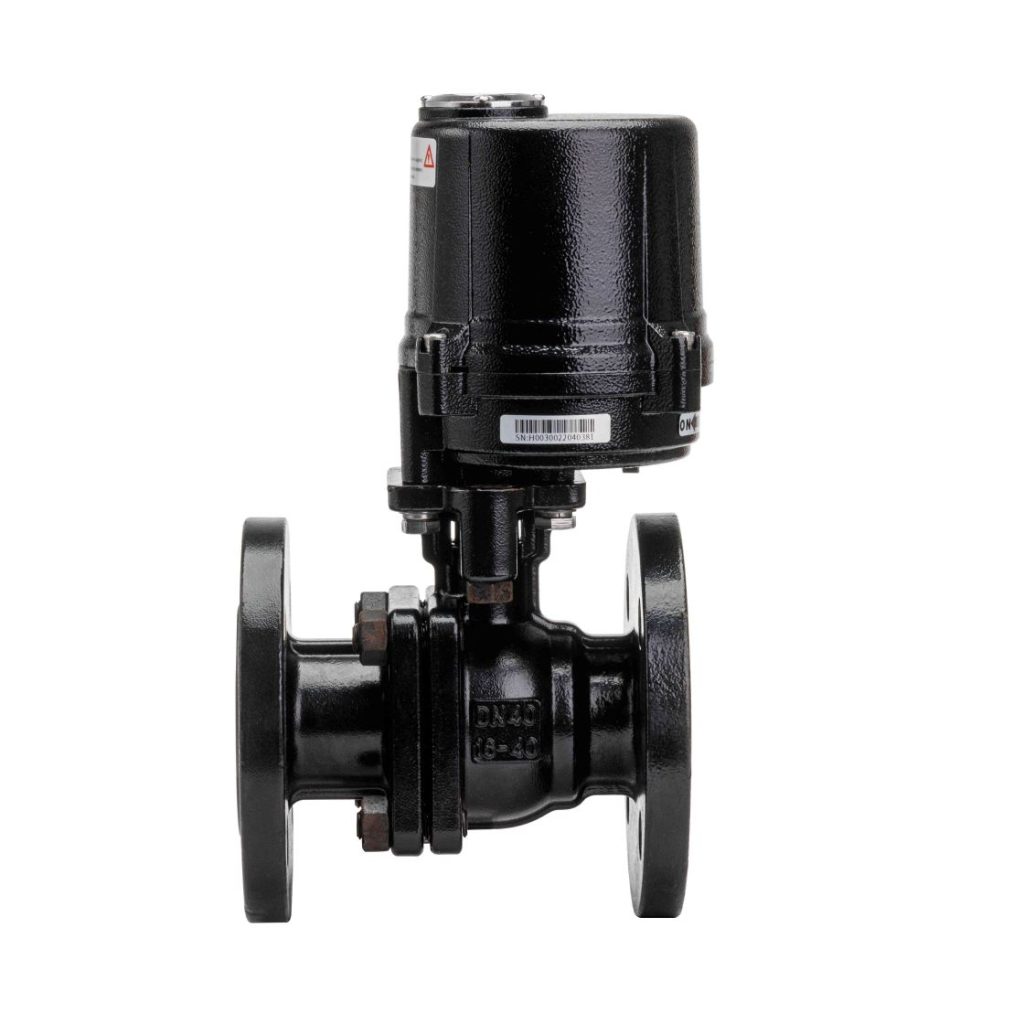
Material Composition: The primary characteristic of the Stainless Steel Electric High Temperature Ball Valve lies in its construction material. Utilizing high-grade stainless steel, typically 304 or 316, these valves offer exceptional resistance to corrosion, making them suitable for aggressive environments. The choice of material not only ensures durability but also maintains hygienic standards, which is critical in sectors like food processing and pharmaceuticals. High-Temperature Tolerance: Designed to withstand extreme temperatures, these valves can function effectively at limits often reaching 200°C or beyond, depending on the specific model and materials used. This capability enables their application in high-temperature steam lines, hot water systems, and chemical processing units where traditional valves may fail.