In modern fluid control systems, the solenoid valve has emerged as a pivotal component, efficiently regulating the flow of liquids in a myriad of applications. This electro-mechanical device utilizes electromagnetism to actuate the opening and closing of a valve, enabling precise control over liquid flow. This article aims to provide an in-depth understanding of solenoid valves for liquid control, exploring their principles of operation, types, applications, advantages, and potential limitations.
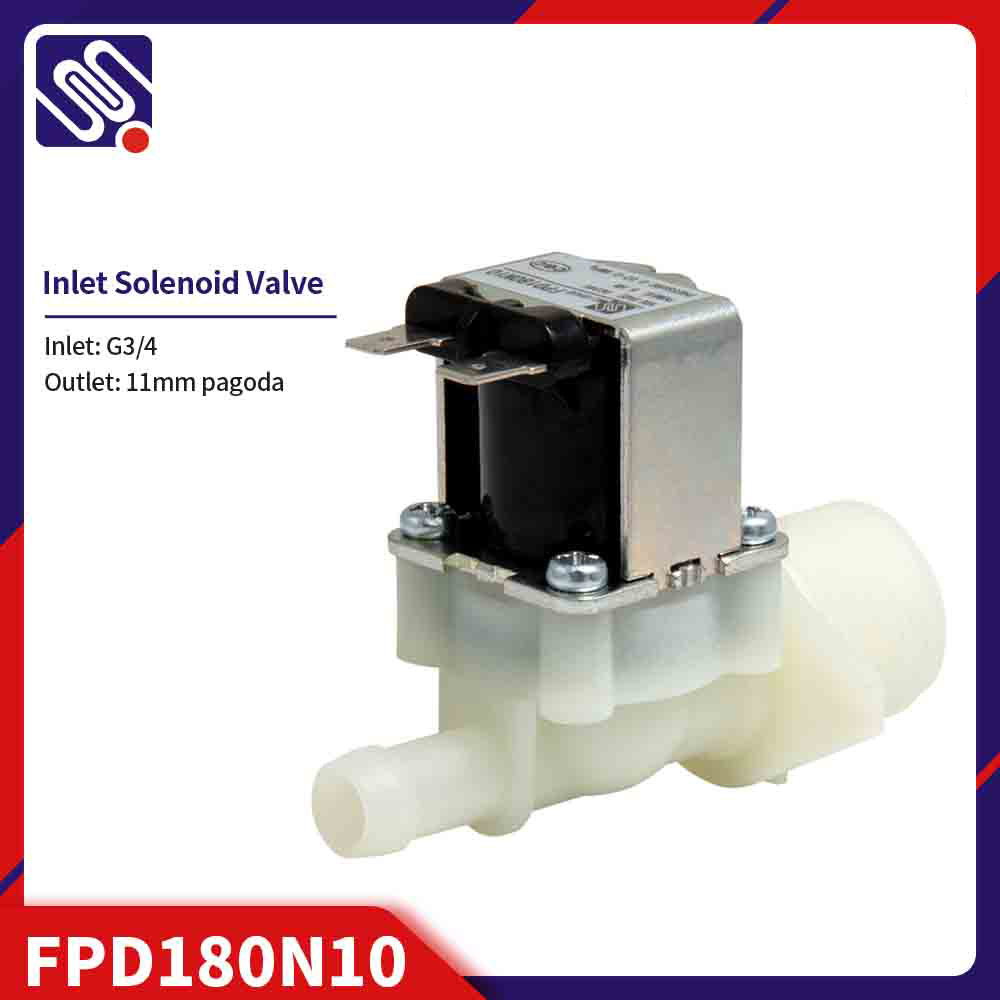
Principles of Operation The fundamental working principle of a solenoid valve is quite simple yet effective. When electrical current is supplied to an electromagnetic coil, a magnetic field is generated, which either attracts or repels a movable plunger or armature. This movement facilitates the opening or closing of the valve seat, directing the flow of liquid through the valve. Depending on the design, solenoid valves can be either normally closed (NC), where the valve is closed when there is no electrical current, or normally open (NO), where the valve remains open when not energized. This characteristic allows solenoid valves to be used in a variety of liquid control scenarios, adapting to the needs of different systems.