Lithium-ion batteries have become the cornerstone of modern energy storage systems, powering everything from electric vehicles (EVs) to portable electronics. As the demand for lithium-ion batteries continues to grow, ensuring their safety and reliability has become a critical concern for manufacturers. Among the key components that contribute to battery safety is the valve — a small but highly significant part that helps prevent catastrophic failures such as battery explosions. The role of Lithium battery valve OEM manufacturers is, therefore, crucial in providing reliable and effective solutions for pressure regulation and safety in lithium-ion batteries.
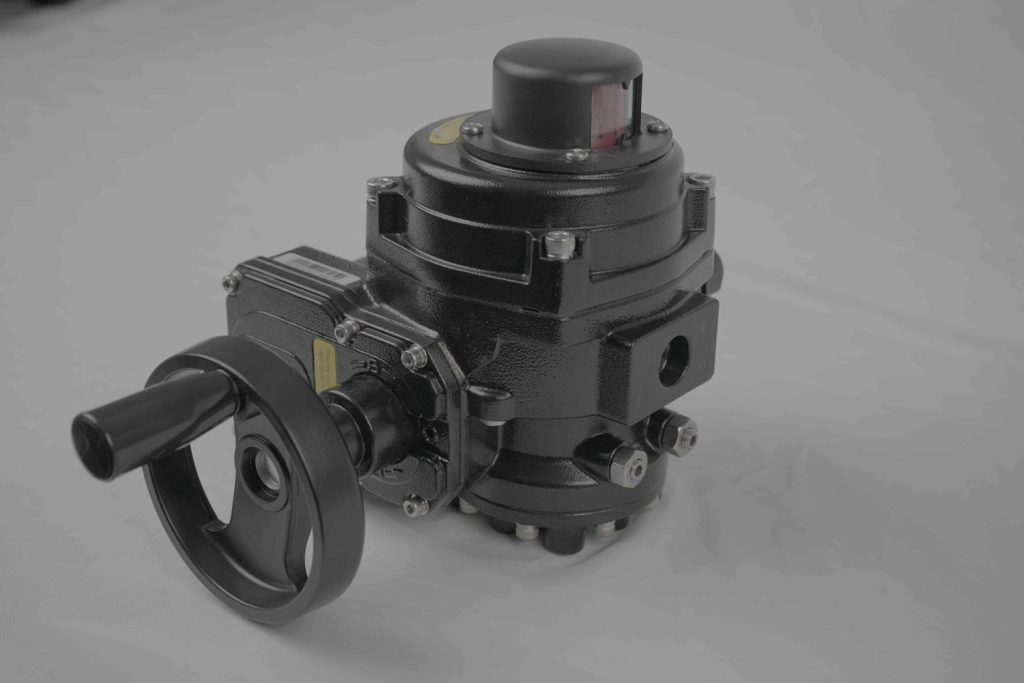
What is a Lithium Battery Valve? A lithium battery valve is a safety mechanism designed to regulate the internal pressure of a battery during normal operation or in case of abnormal events, such as overcharging, overheating, or a short circuit. These valves are typically found in vented batteries and are critical in maintaining the structural integrity of the battery. When the pressure inside the battery exceeds a safe threshold, the valve opens to release the gas and prevent the risk of rupture or explosion. There are different types of valves used in lithium batteries, including vent valves, safety valves, and pressure relief valves. Each of these plays a unique role in ensuring that the battery remains safe and functional throughout its lifecycle.