The rapid growth of electric vehicles (EVs), portable electronics, and renewable energy storage has led to an increased demand for high-performance lithium-ion batteries. As these technologies continue to advance, ensuring the safety, efficiency, and reliability of lithium batteries becomes a paramount concern. A crucial component in this regard is the lithium battery valve, which plays an essential role in managing the internal pressure and maintaining the overall stability of the battery. To meet the diverse needs of various applications, many companies have emerged as Lithium battery valve OEM manufacturers, offering tailored solutions to the ever-evolving demands of the battery industry.
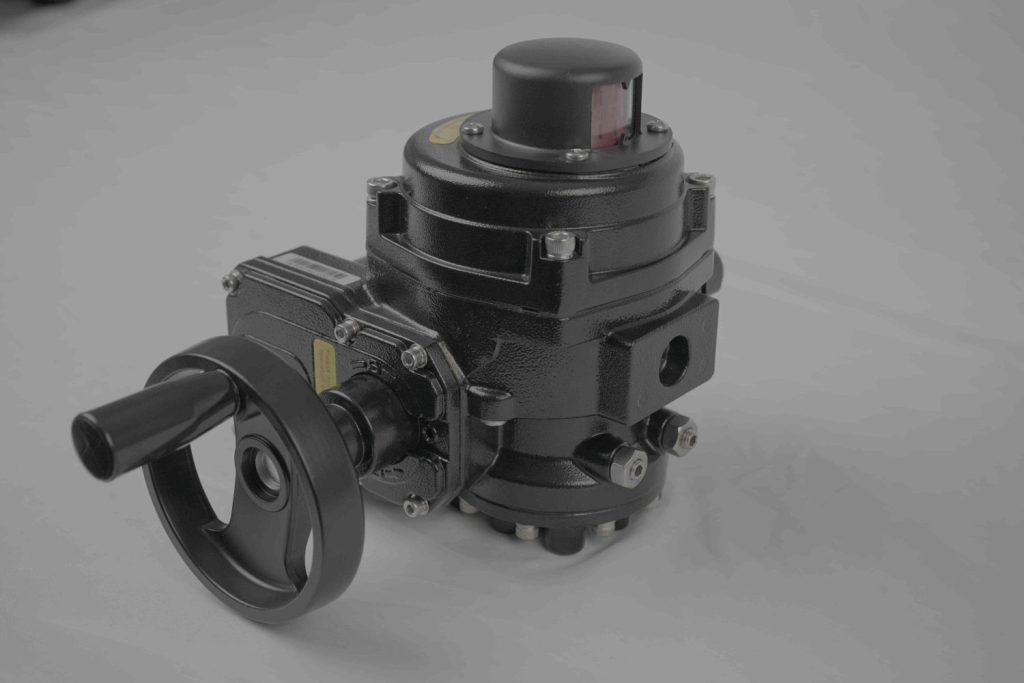
The Importance of Lithium Battery Valves Lithium-ion batteries, due to their high energy density, are susceptible to safety issues, particularly under extreme operating conditions such as overcharging, overheating, or short circuits. Under these conditions, the internal pressure of the battery can build up, potentially leading to catastrophic failures such as thermal runaway, leakage, or even explosions. To mitigate these risks, battery manufacturers integrate pressure relief valves into their designs. A lithium battery valve is designed to release excess pressure from within the battery, thus preventing the battery from rupturing or experiencing thermal runaway. These valves are specifically designed to operate in a safe, predictable manner, ensuring that the battery functions as intended while minimizing the risk of hazards. The primary role of these valves is to provide a controlled venting mechanism that allows gas to escape when the internal pressure exceeds a certain threshold.