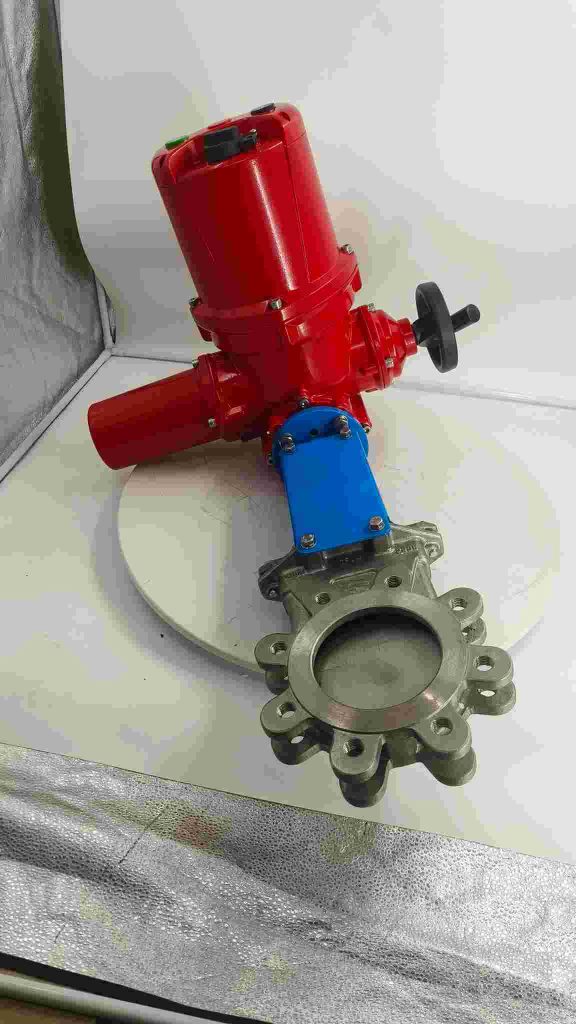
The world is witnessing an increasing shift towards sustainable energy solutions, and hydrogen energy is emerging as a promising alternative to traditional fossil fuels. Among the various technologies that support hydrogen energy systems, the Hydrogen Energy Electric Gate Valve plays a crucial role in ensuring the safety, efficiency, and reliability of hydrogen distribution and storage networks. This article delves into the importance, features, and applications of the hydrogen energy electric gate valve, highlighting its significance in the growing hydrogen economy.

What is a Hydrogen Energy Electric Gate Valve?
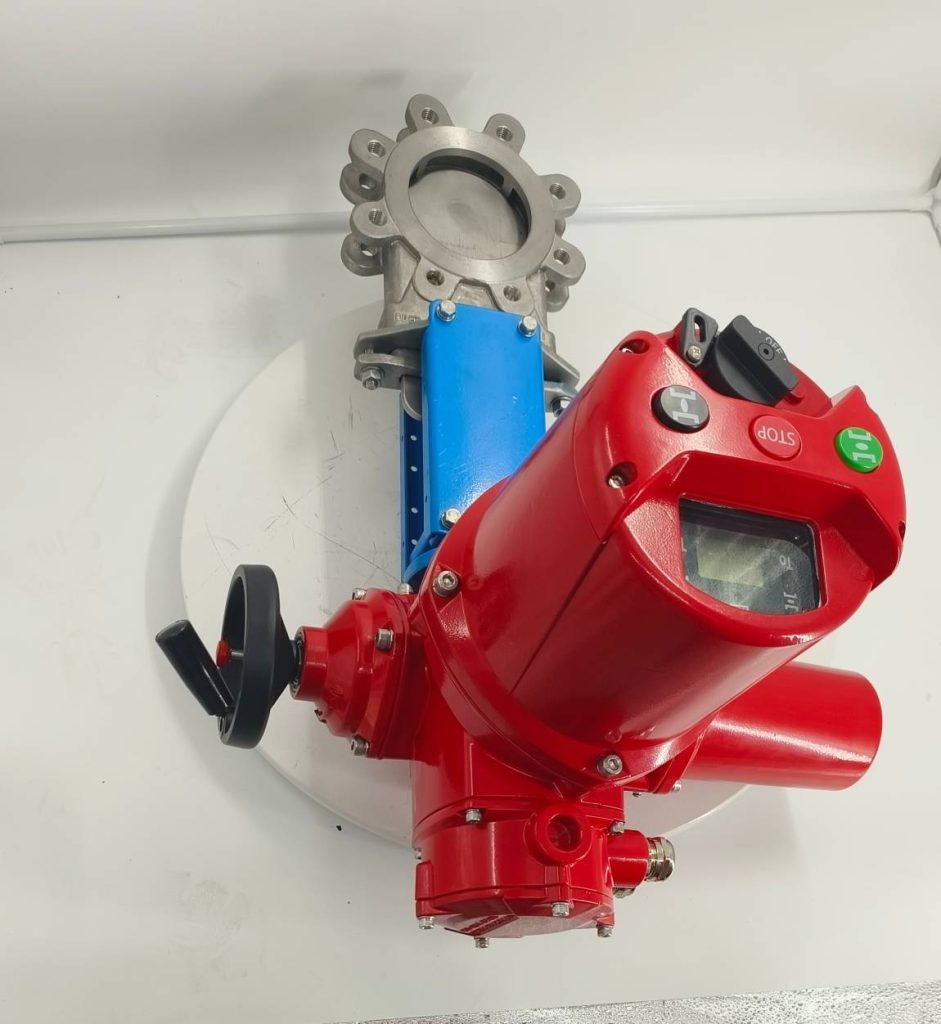
A Hydrogen Energy Electric Gate Valve is an electrically actuated valve designed specifically to control the flow of hydrogen gas within energy systems. It operates using an electric actuator that opens or closes the valve in response to commands from control systems, which can be remotely monitored and adjusted. This type of valve is essential in systems that handle hydrogen, such as in hydrogen storage facilities, transportation pipelines, and fuel cell stations. Hydrogen is often transported and stored at high pressures, and it is highly flammable and prone to leakage. Therefore, valves in hydrogen energy systems need to have excellent sealing capabilities and the ability to withstand high pressures and temperatures. The electric gate valve is engineered to meet these specific demands, ensuring that the gas is safely and efficiently controlled.