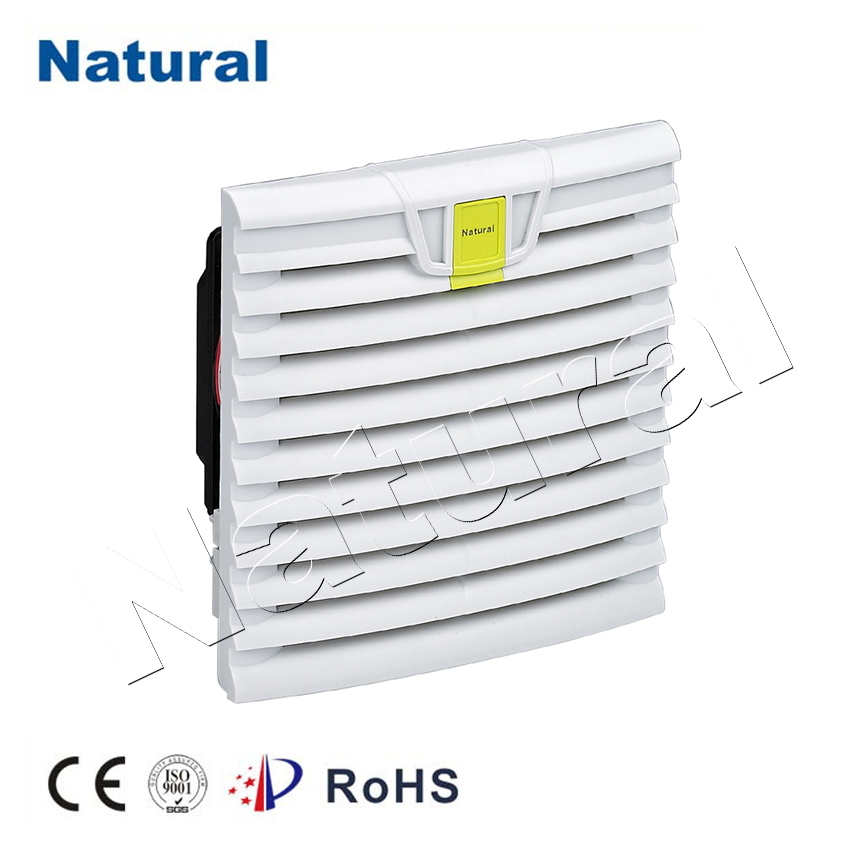
In today’s technology-driven world, electronic devices are ubiquitous, from personal computers and smartphones to industrial machinery and server farms. With the increasing demand for higher performance and efficiency, managing heat generation within these devices has become a critical concern. This is where fan and filter systems come into play, playing a crucial role in maintaining optimal operating conditions. By understanding the functions, types, and importance of these components, we can appreciate how they contribute to the reliability and longevity of our devices.
The Role of Fans in Cooling Systems
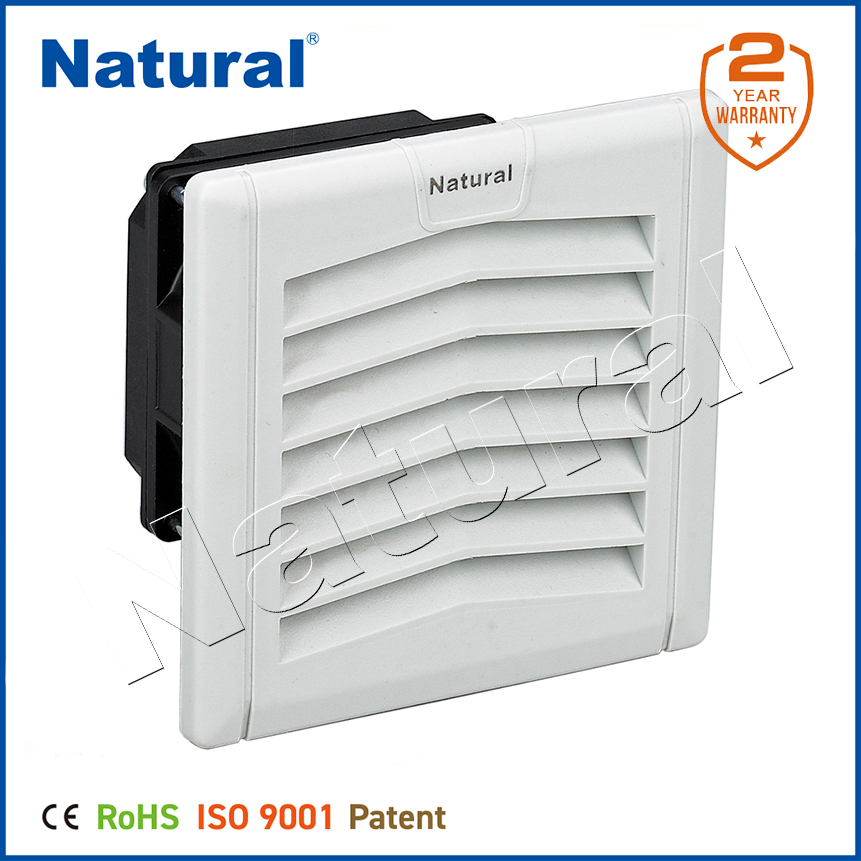
At the heart of many cooling systems is the fan, a mechanical device that generates airflow to dissipate heat generated by electronic components. The primary function of a fan is to circulate air and create a conducive thermal environment. When electronic components, such as CPUs or GPUs, are under load, they generate heat. If this heat is not effectively managed, it can lead to overheating, resulting in throttling, instability, or even permanent damage to the components. Fans come in various types, each designed for specific applications. DC fans are commonly found in personal computers and other electronic devices, as they are powered by direct current (DC) and can be easily controlled for speed modulation. AC fans, on the other hand, are often utilized in larger appliances or industrial settings where alternating current (AC) is the standard power supply. Additionally, specialized fans such as silent fans focus on noise reduction, making them ideal for environments where sound levels must be controlled, while high-performance fans are designed to maximize airflow in high-demand situations like gaming rigs.