In the modern industrial landscape, the demand for efficient fluid control systems has surged, leading to the adoption of advanced technologies in valve manufacturing. Among the various types of valves used in process industries, the electric two-seat regulating valve has gained prominence due to its reliability, precision, and versatility. As industries strive to enhance operational efficiency and reduce downtime, the role of electric two-seat regulating valve manufacturers has become increasingly pivotal.
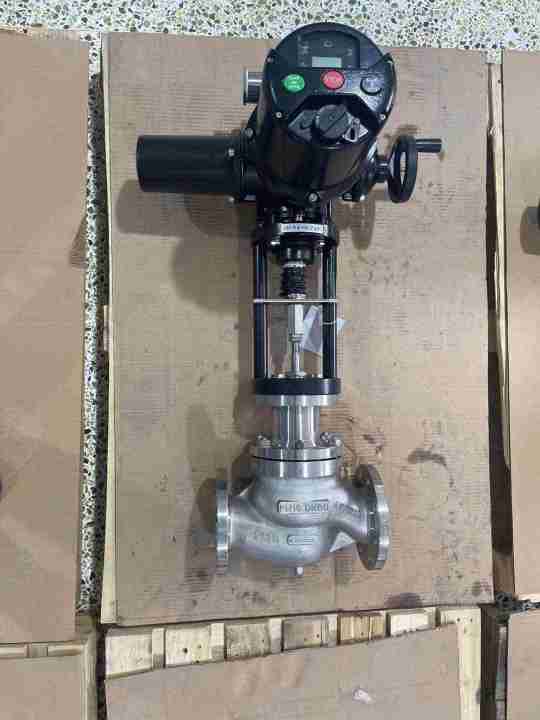
The Basics of Electric Two-Seat Regulating Valves Electric two-seat regulating valves are designed to control the flow of fluids in a wide array of applications, from chemical processing to HVAC systems. The term “two-seat” refers to the valve design, which incorporates two seating surfaces that work in conjunction to provide efficient flow control and excellent sealing capabilities. Unlike single-seat valves, which can experience higher pressure drops, two-seat valves generally allow for greater flow rates and reduced turbulence in the fluid path. These valves feature an electric actuator that receives signals from a control system, allowing for precise adjustments of the valve opening. This electric-driven mechanism can offer faster response times compared to pneumatic actuators, enhancing control over the process parameters such as flow rate, temperature, and pressure.