Electric single seat regulating valves are integral components in a wide range of industries where precise fluid control is required. These valves, combined with electric actuators, offer a high level of automation and precision in regulating the flow, pressure, and temperature of various fluids. As demand for efficiency and accuracy increases across sectors like chemical processing, water treatment, HVAC, and oil & gas, the role of Electric Single Seat Regulating Valve OEM Manufacturers becomes even more critical. This article explores the features, applications, and significance of these valves, and discusses the importance of OEM manufacturers in delivering high-quality, custom solutions.
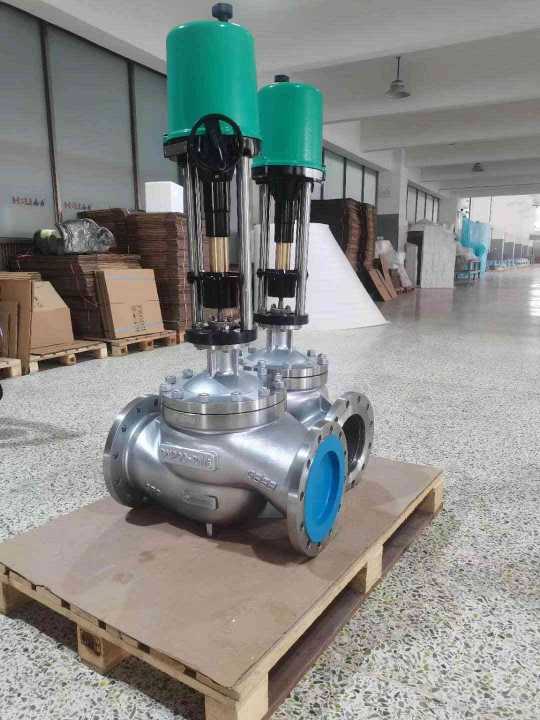
What is an Electric Single Seat Regulating Valve? An electric single seat regulating valve is a type of control valve that uses an electric actuator to regulate the flow of liquids or gases in a system. Unlike manual valves, which require human intervention, electric actuators allow for automated control of the valve’s position. This precision makes the valve ideal for applications where consistent and accurate flow regulation is essential. The “single seat” in the name refers to the valve design, where the fluid only passes through one seat, providing a more compact and cost-effective solution. Single seat valves are typically used in applications with moderate flow rates and pressures, where the demands for control are not as extreme as in high-flow systems.