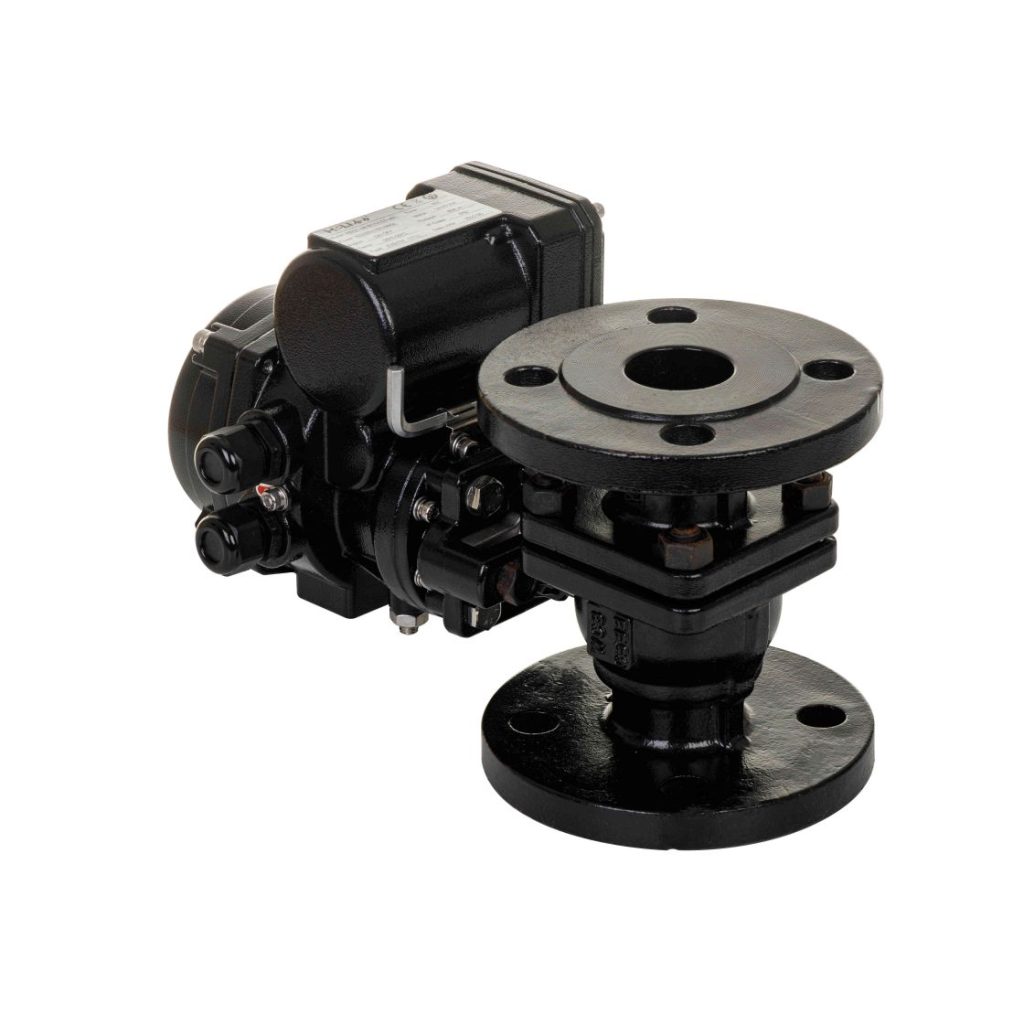
In the realm of industrial automation and fluid control systems, the role of manufacturers specializing in electric flange ball valves has become increasingly significant. These components serve crucial functions in various industries, facilitating efficient flow regulation and control in pipelines. Understanding how these manufacturers operate, the technologies they use, and the applications of their products can provide valuable insights for businesses looking to optimize their operations.
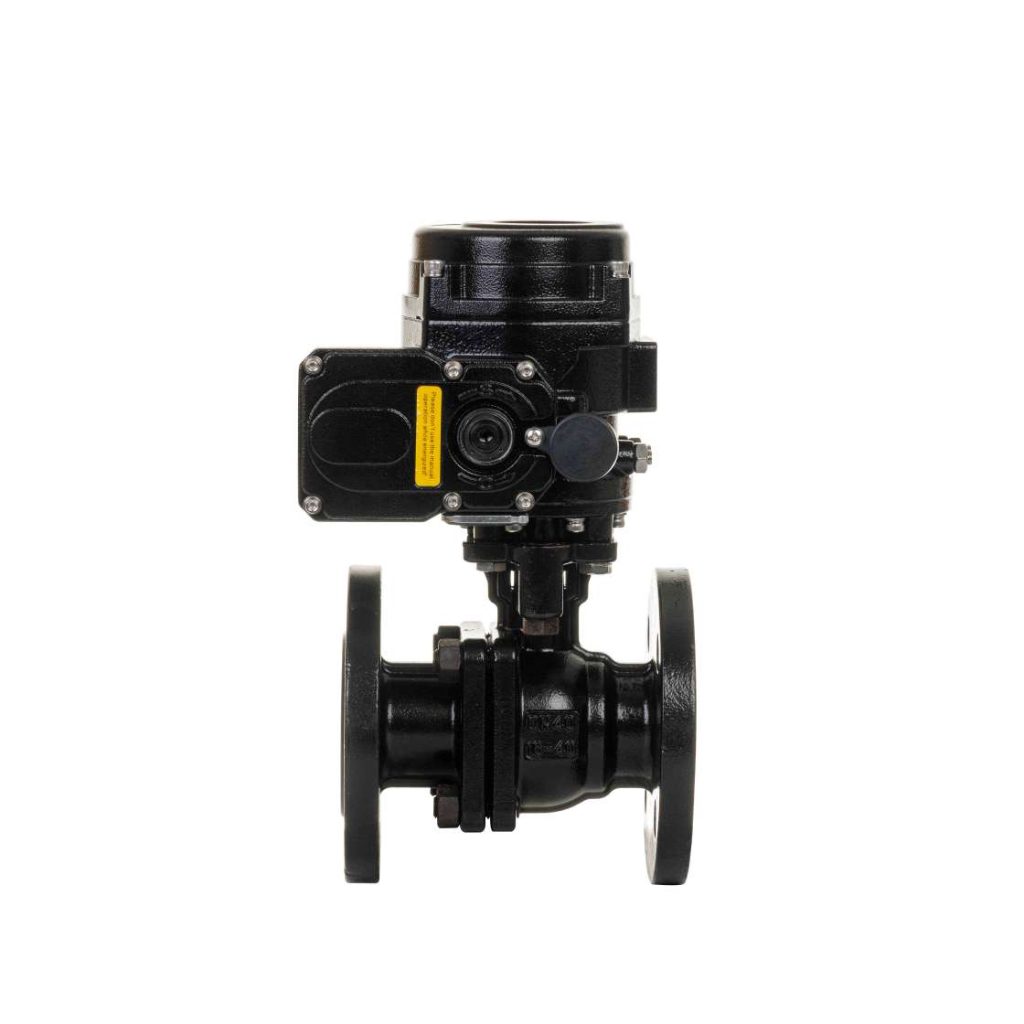
What Are Electric Flange Ball Valves?
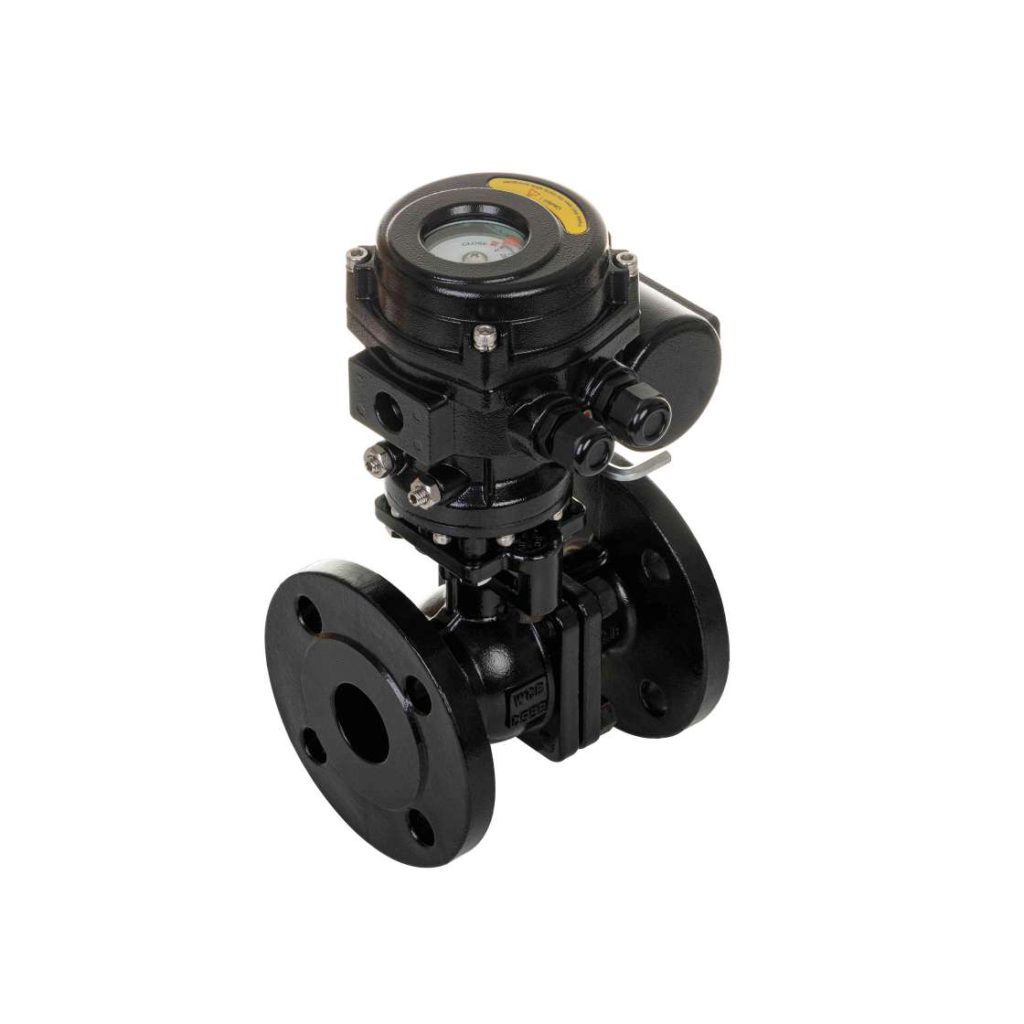
Electric flange ball valves combine the mechanisms of traditional ball valves with electric actuators to offer precise control over fluid flow. The valve itself typically consists of a spherical disc that acts as the flow control mechanism. The electric actuator allows for remote operation, enhancing automation in process management. This type of valve features a flange connection, which simplifies installation and maintenance by providing a secure and leak-proof fit to piping systems. Advantages of Electric Flange Ball Valves High Precision and Control: Electric flange ball valves provide accurate flow control, making them ideal for applications that require specific flow rates. The electric actuator allows for fine-tuned adjustments, unlike manual valves that may require more effort and time.