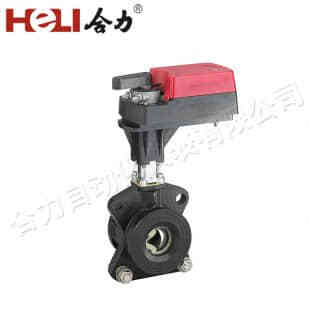
Damper actuators play a crucial role in modern heating, ventilation, and air conditioning (HVAC) systems, ensuring precise control of air flow and maintaining the comfort and efficiency of a building’s environment. The role of Damper actuator manufacturers is indispensable in the creation of these devices, which are used to regulate airflow, pressure, and temperature in various applications, from commercial buildings to industrial facilities. This article explores the importance of damper actuators, their functions, and the leading manufacturers in the market.
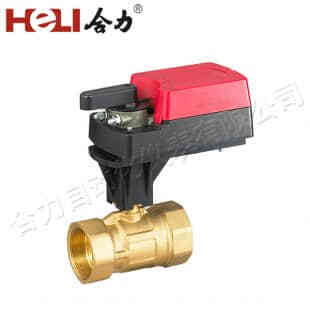
The Role of Damper Actuators in HVAC Systems
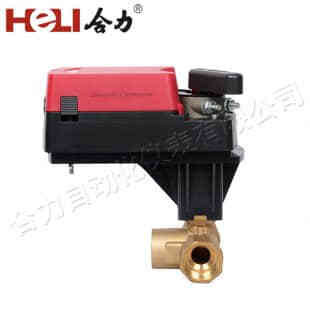
A damper actuator is an electromechanical device used to control the position of a damper blade in air ducts. The damper regulates the flow of air by adjusting the opening of the damper. This is crucial for maintaining the required temperature, humidity, and air quality in buildings and industrial spaces. In modern HVAC systems, where energy efficiency and environmental sustainability are priorities, damper actuators ensure that airflow is regulated according to demand, reducing unnecessary energy consumption and improving system performance. Damper actuators come in various types, including electric, pneumatic, and hybrid systems. Electric actuators are the most commonly used, providing precise control over the damper’s position with an electric motor. Pneumatic actuators, on the other hand, use compressed air to operate the damper, and are often preferred for large-scale industrial applications. Hybrid systems combine both electric and pneumatic control for more complex operations.