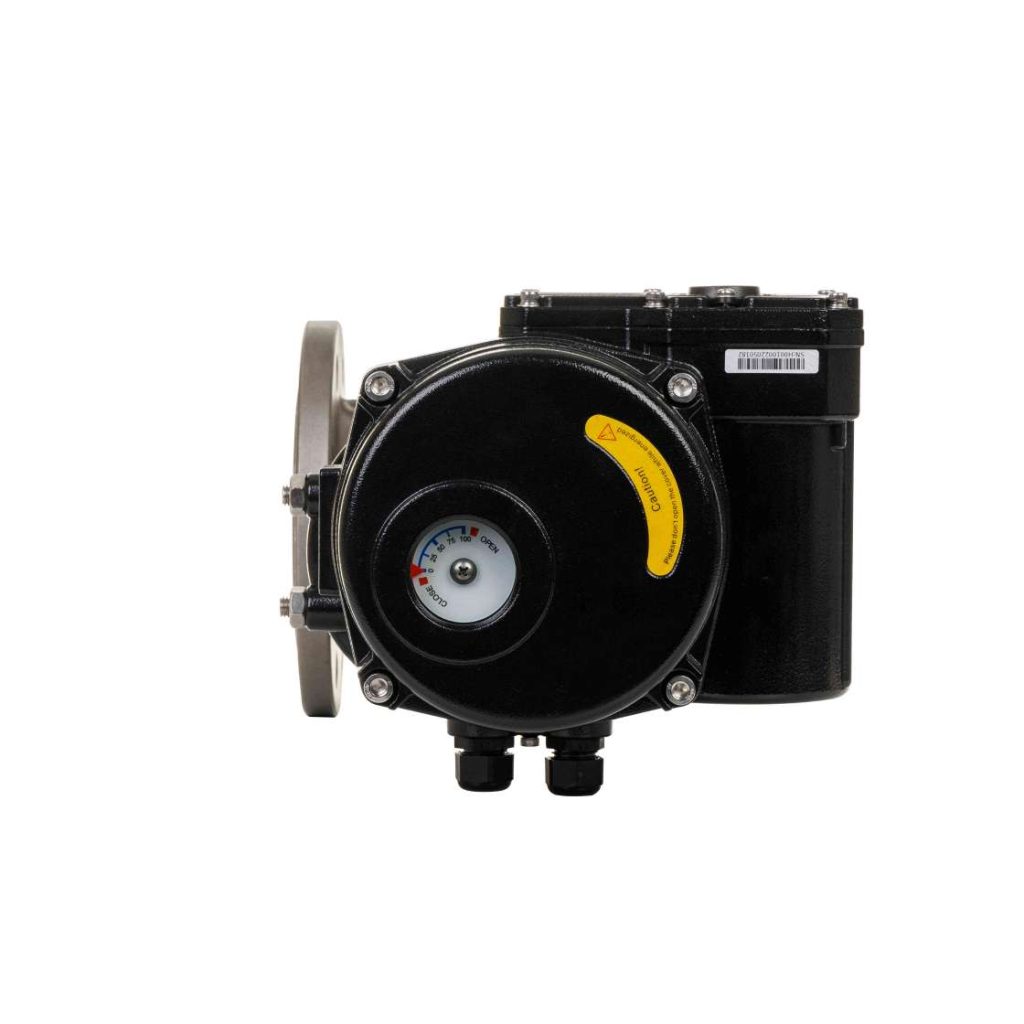
In today’s modern industrial landscape, safety and reliability are paramount, particularly in the operation of hydraulic and pneumatic systems. One essential component that enhances the safety of these systems is the Power Off Reset Valve. This device plays a critical role in automatically managing fluid flow during power disruptions, thereby preventing equipment malfunction and potential hazards. In this article, we will explore the working principles, applications, benefits, and considerations involved in the use of Power Off Reset Valves.
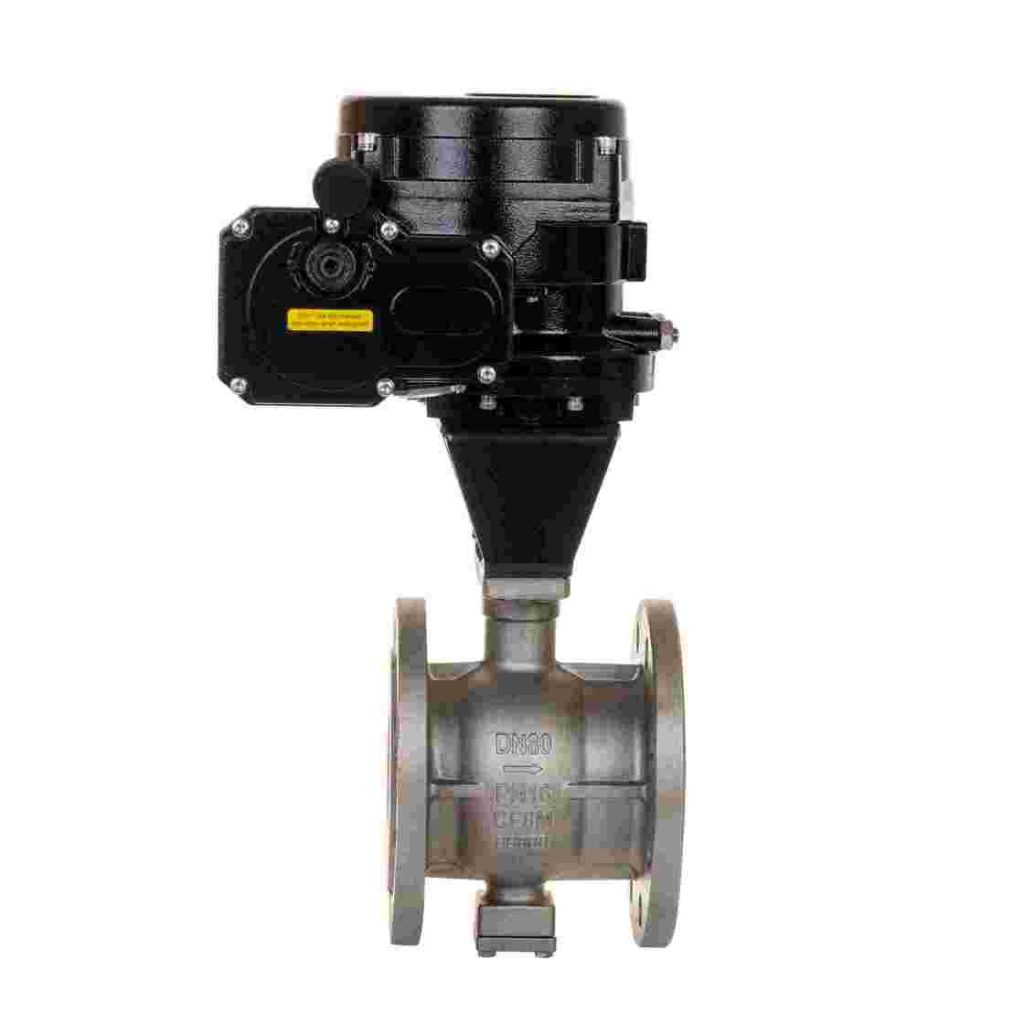
Working Principles
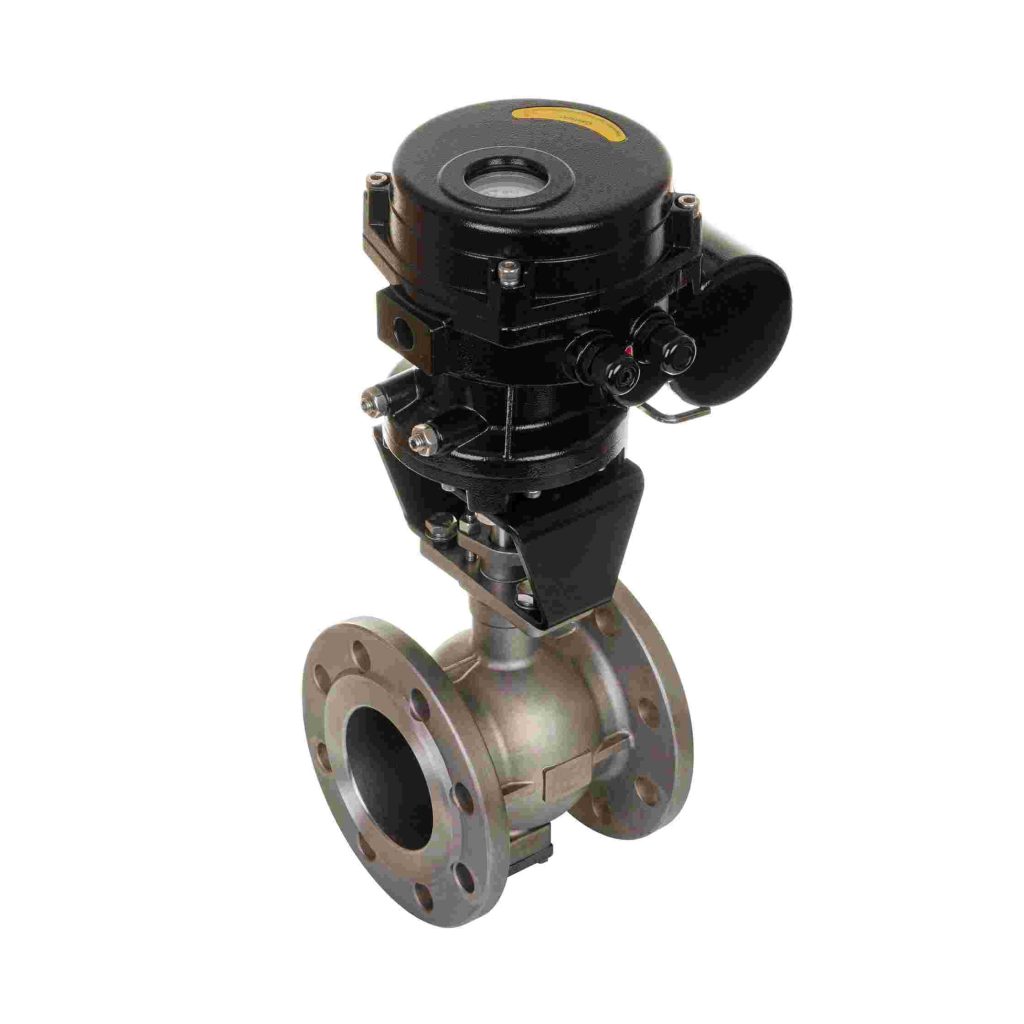
The Power Off Reset Valve operates based on a relatively simple mechanism that ensures safety during unexpected power interruptions. When the system experiences a loss of power, the valve is designed to revert to a predetermined safe position—usually the closed position. This automatic closure helps contain fluids within the system, thus preventing leaks and stopping the operation of machinery that could lead to accidents. At its core, the Power Off Reset Valve typically employs an electromagnetic setup. When electrical power is supplied, an electromagnetic coil activates, keeping the valve open and allowing fluid or gas to flow through. However, when power is interrupted, the electromagnetic force is lost, and the valve returns to its default closed state through the action of a spring or gravity. This fail-safe mechanism is critical in maintaining a safe working environment.