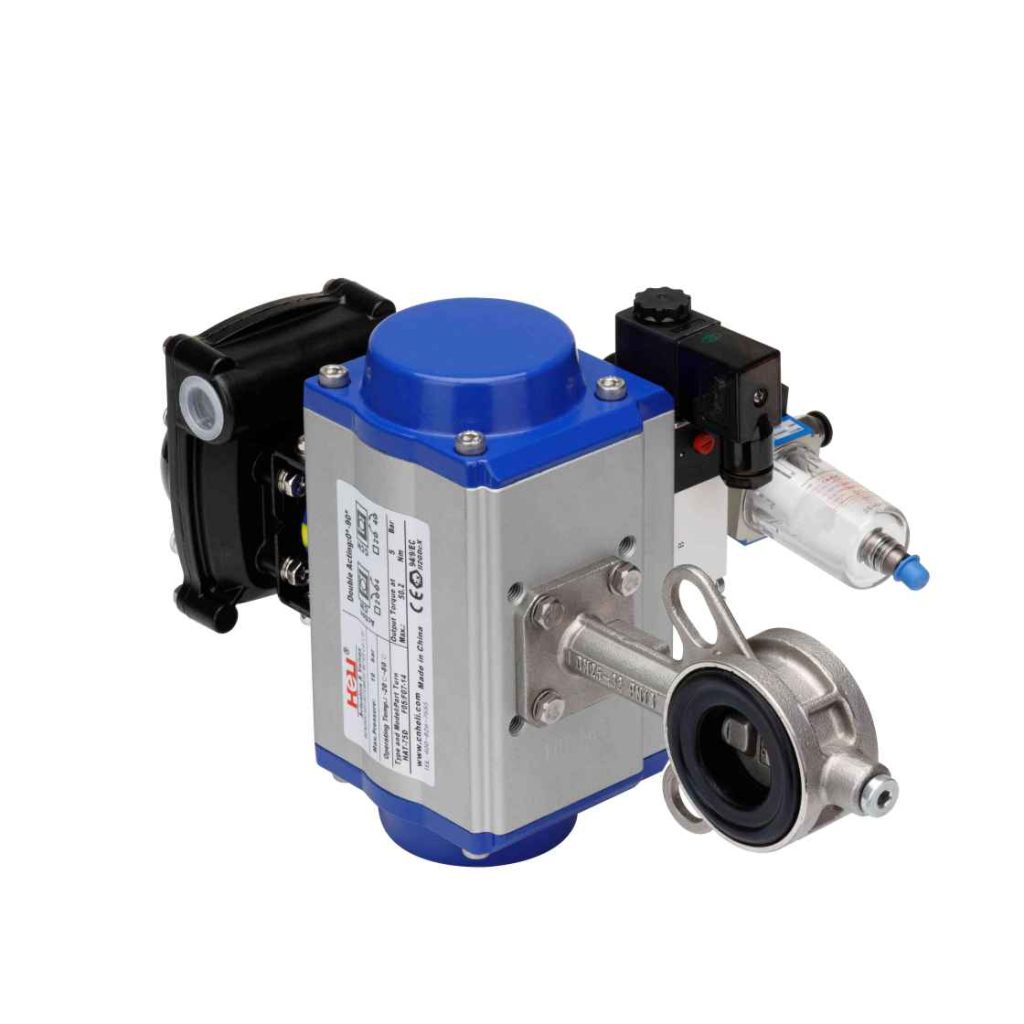
A Pneumatic Butterfly Valve is a critical component in modern fluid control systems. It offers a versatile solution for regulating flow in a wide range of industrial applications. Unlike traditional valves, which rely on manual operation, pneumatic butterfly valves are controlled by compressed air, providing quick and efficient operation. This article delves into the functionality, advantages, and common applications of pneumatic butterfly valves, shedding light on their importance in industries like water treatment, chemical processing, and HVAC systems.
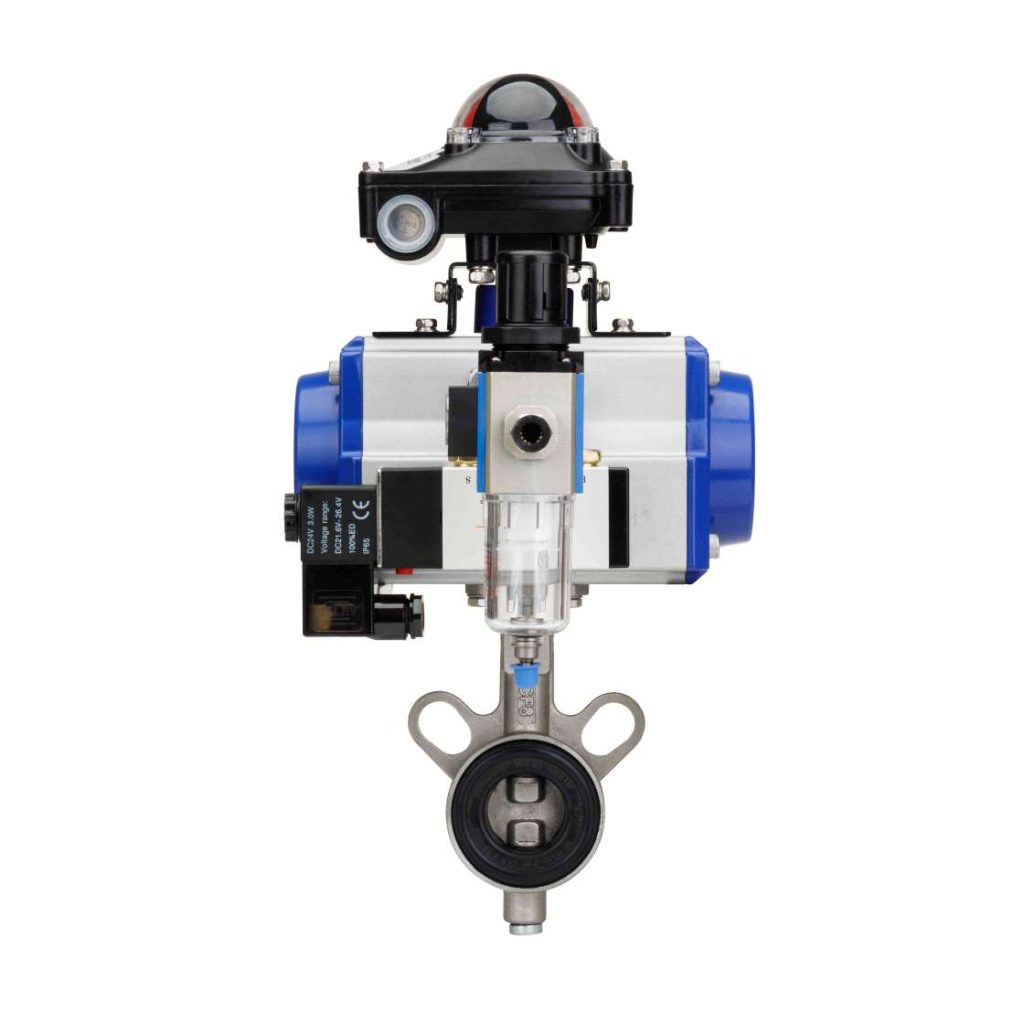
What is a Pneumatic Butterfly Valve?
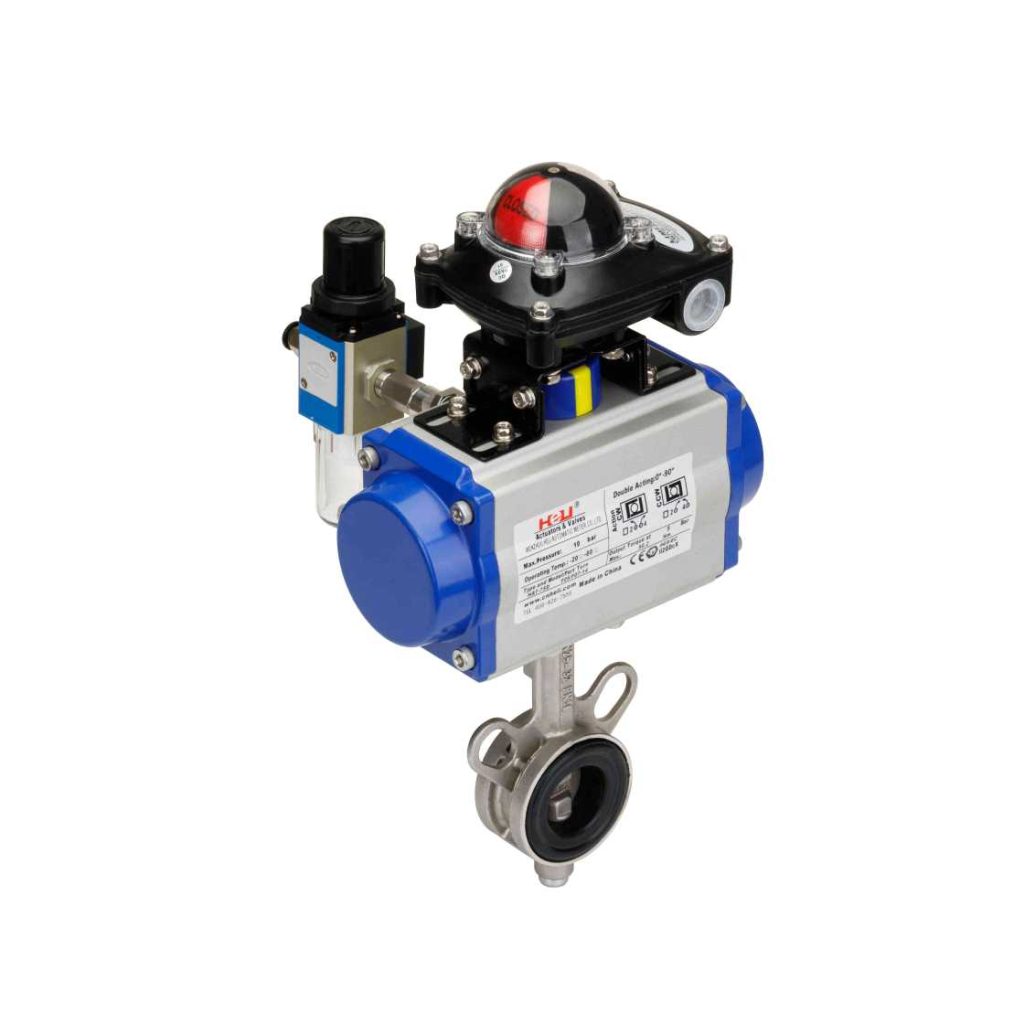
At its core, a pneumatic butterfly valve consists of a disc that rotates around a central shaft to control the flow of fluids through a pipe. The valve is typically installed in the pipeline and controlled by an actuator, which is powered by compressed air. When the actuator is energized, it rotates the disc either fully open or closed, or to a specific position in between, adjusting the flow rate of the fluid. The key feature of a butterfly valve is its simple design and the fact that it operates with a low torque. The disc inside the valve is usually flat and positioned perpendicular to the pipe’s flow when closed. When the valve opens, the disc rotates to align with the flow path, allowing for the fluid to pass through with minimal resistance.