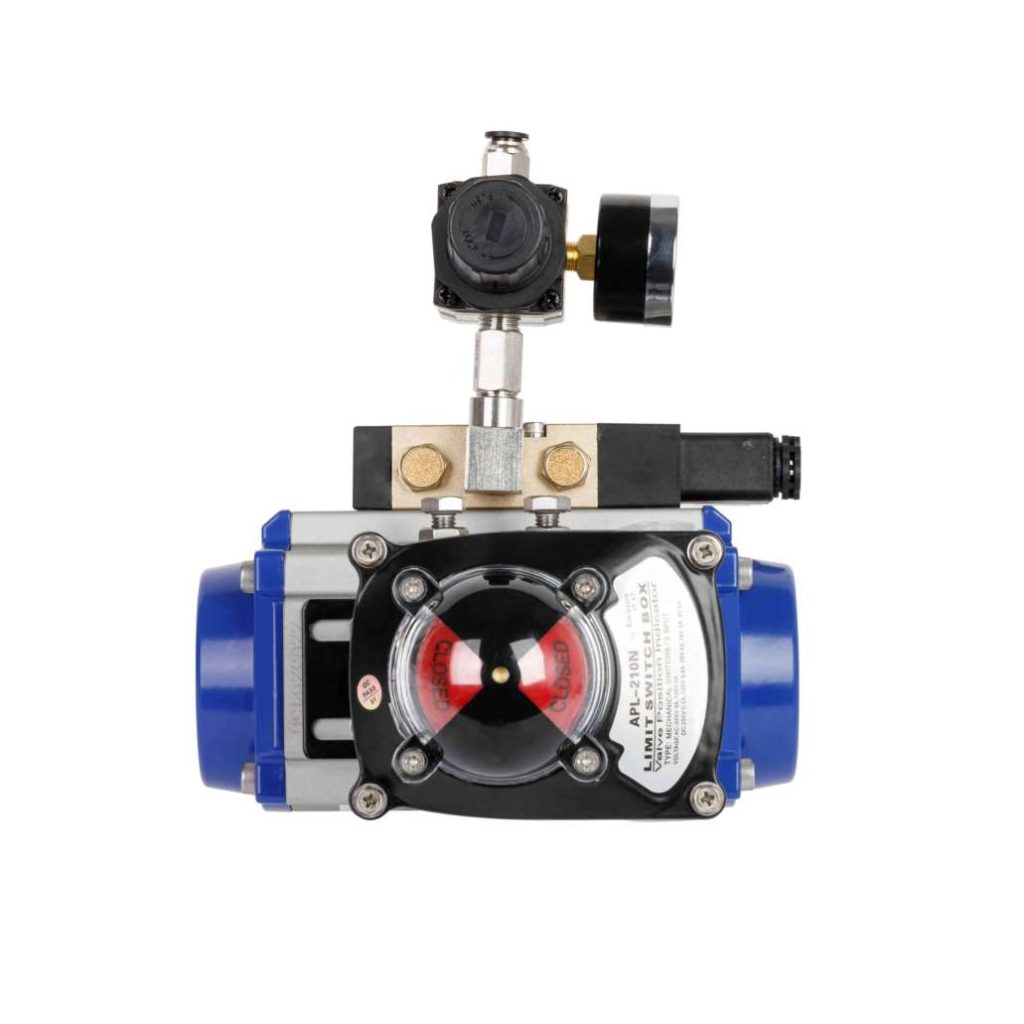
Pneumatic actuators are vital components in various industrial systems, providing efficient and reliable motion control using compressed air. As automation continues to expand across industries, the importance of understanding pneumatic actuators, their functionalities, advantages, and applications becomes increasingly essential. This article delves into the intricacies of pneumatic actuators, offering insights into their design and operational principles.
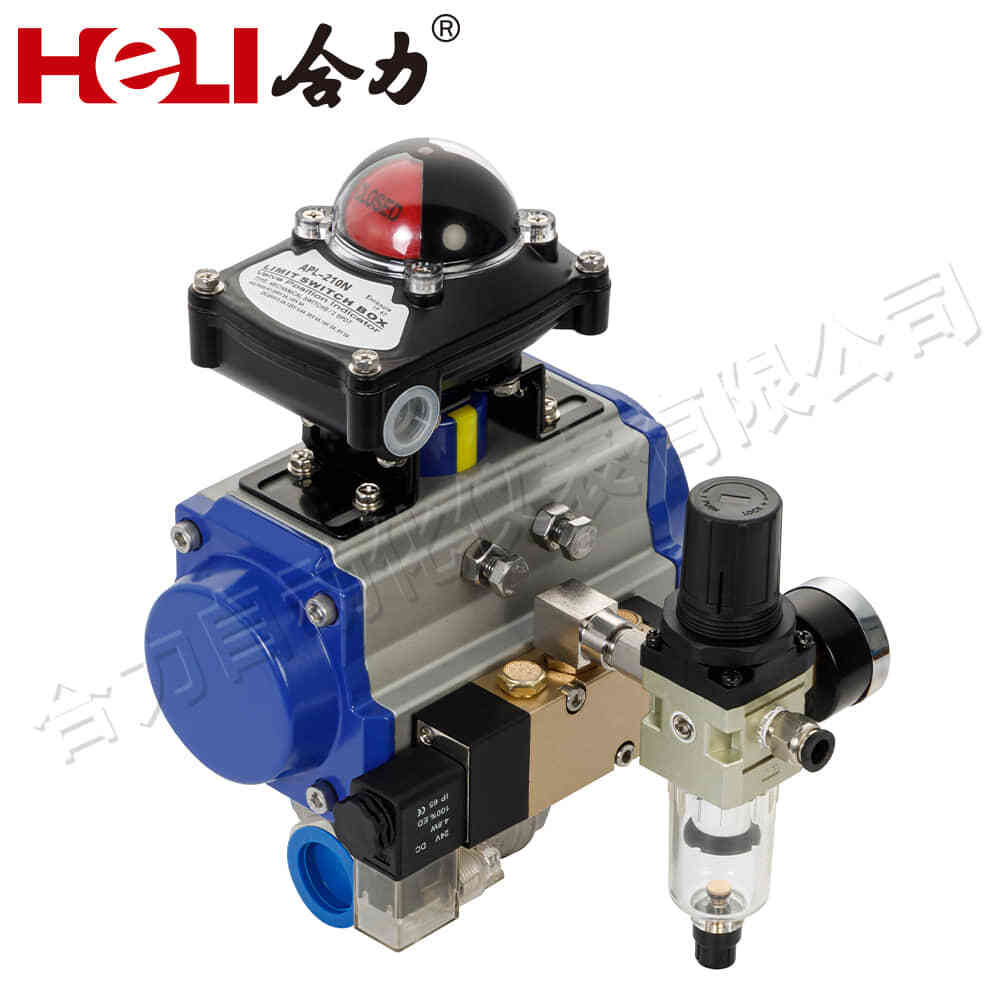
What is a Pneumatic Actuator?
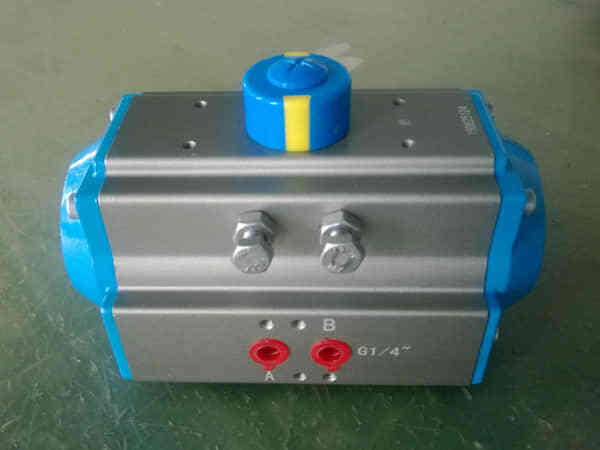
A pneumatic actuator is a mechanical device that converts compressed air energy into mechanical motion. This motion can be linear or rotational, depending on the design of the actuator. Pneumatic actuators are commonly used in industries where speed and precision are critical, such as manufacturing, processing, and automation systems. How Does a Pneumatic Actuator Work? The operation of a pneumatic actuator involves several key components, including a cylinder, a piston, control valves, and often, a feedback mechanism. Air Supply: Compressed air is supplied from a pneumatic source, such as a compressor or a centralized air system.