The Motor Starter Relay plays a critical role in motor control systems, offering not only functionality for starting and stopping motors but also ensuring the protection and longevity of the equipment. This device is essential in industries ranging from home appliances to industrial machinery and even automotive systems. In this article, we will explore the purpose, construction, working principles, and applications of the motor starter relay.
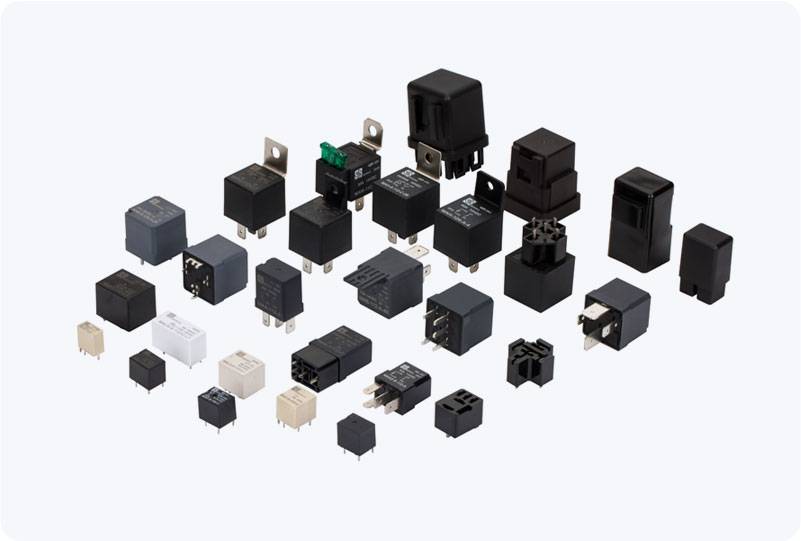
What is a Motor Starter Relay? A Motor Starter Relay is an electrical device that enables the safe and efficient start and stop of electric motors, often found in industrial, commercial, and domestic settings. It is designed to manage high current that motor circuits require, thus reducing the risk of electrical damage while ensuring proper operation. In essence, the motor starter relay is a combination of several electrical components working in unison to control the operation of a motor. Motor starter relays typically integrate a control relay, a contactor, and a thermal overload relay, which work together to ensure smooth operation of the motor. These relays can manage power flow to large electric motors, protect the motor from overcurrent conditions, and provide safety features like emergency shutdowns when necessary.