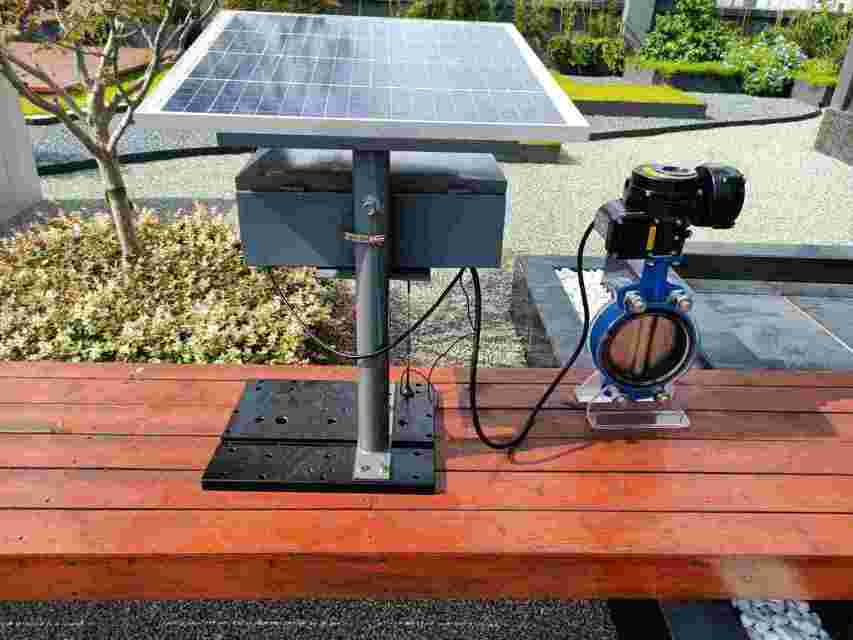
The integration of renewable energy sources with modern automation systems is paving the way for smarter, more sustainable technologies. One of the innovations in this field is the Lithium Battery Photovoltaic Electric Valve. This sophisticated device combines solar energy, energy storage via lithium batteries, and advanced valve automation to provide efficient, reliable, and eco-friendly solutions for fluid control applications across industries. In this article, we will explore the components, working principles, benefits, and applications of the Lithium Battery Photovoltaic Electric Valve, highlighting its importance in driving sustainability and energy efficiency.
What is a Lithium Battery Photovoltaic Electric Valve?
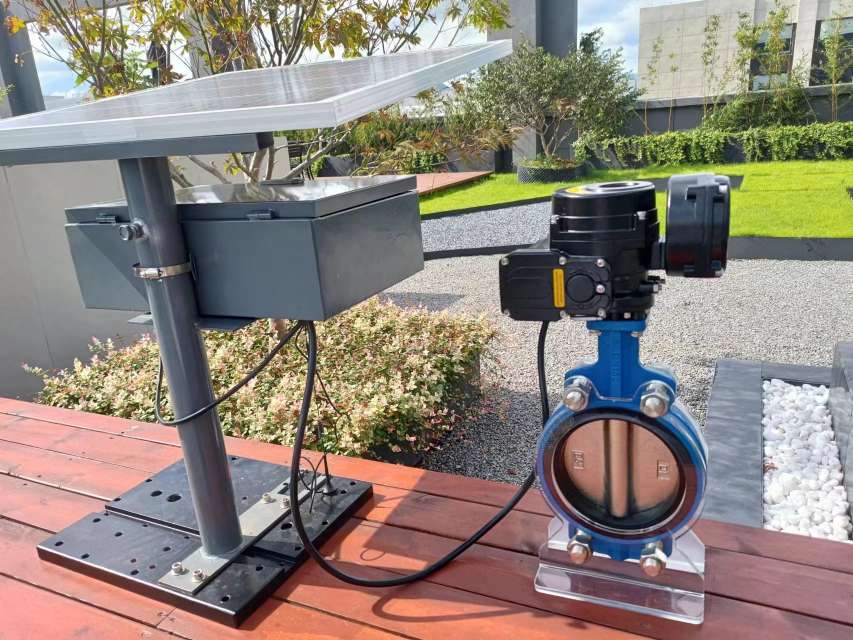
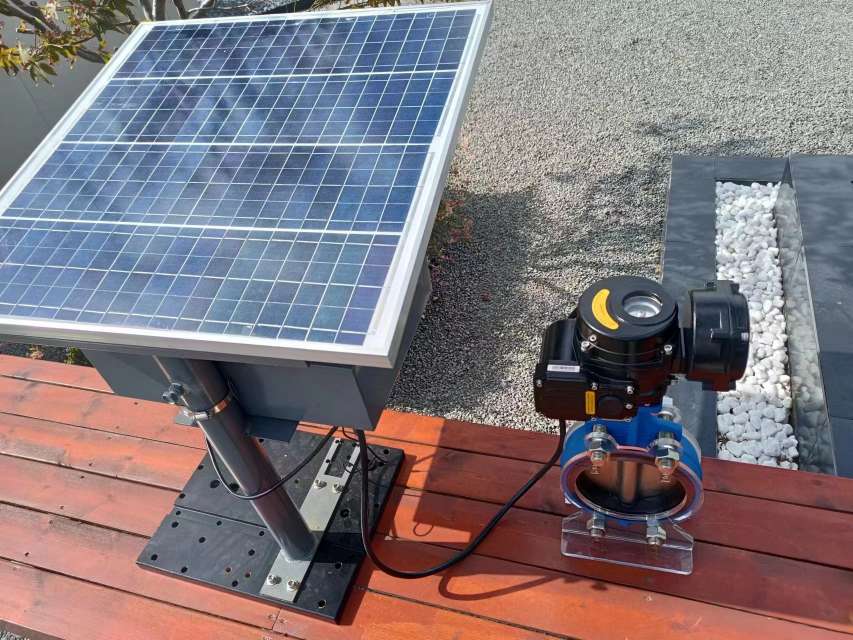
A Lithium Battery Photovoltaic Electric Valve is an automated valve system powered by solar energy, which is stored in lithium batteries. The system consists of three primary components: photovoltaic (solar) panels, lithium batteries, and an electric valve actuator. The photovoltaic panels collect solar energy, which is then converted into electrical power. This power charges the lithium batteries, ensuring the valve remains operational even when the sun is not shining, such as during the night or cloudy weather. The electric valve actuator, which is responsible for controlling the flow of liquids or gases, receives the power stored in the batteries and operates the valve based on preset conditions. This valve system can be remotely controlled and monitored, providing high levels of automation and precision in fluid control applications.