The Lithium battery electric two-seat regulating valve is a vital component in modern industrial automation systems. It combines advanced electric actuation technology with the compact and efficient power storage of lithium batteries, making it ideal for applications requiring precise control of fluid or gas flow in remote or energy-constrained environments. In this article, we will explore the design, function, and key advantages of this valve type, as well as its various industrial applications.
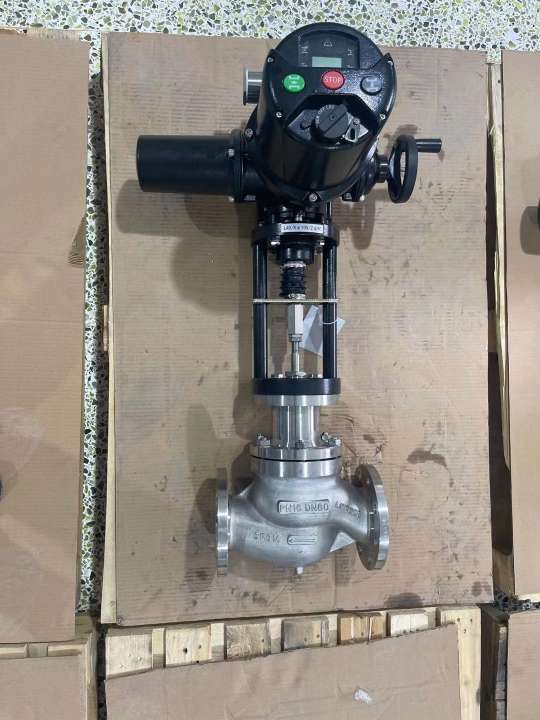
Design and Components The Lithium battery electric two-seat regulating valve consists of several key components: the valve body, the two-seat sealing mechanism, the electric actuator, and the lithium battery power source. These elements work together to deliver superior control and reliability in flow regulation. Lithium Battery: The lithium battery serves as the power source for the electric actuator. Unlike traditional pneumatic or hydraulic systems, which require a constant external power supply, lithium batteries offer a high energy density, long-lasting charge, and compact size. This makes the valve suitable for environments where it is difficult or impractical to provide an external power connection. The battery’s long lifespan reduces the need for frequent replacements, offering a cost-effective solution in the long term.