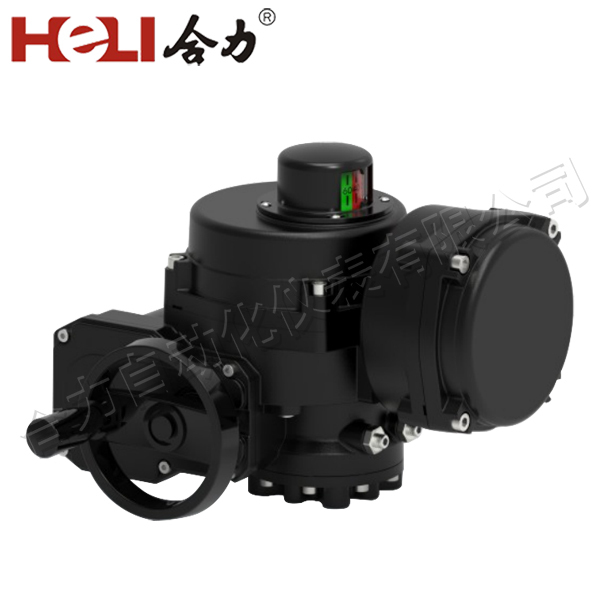
Lithium battery electric actuators are increasingly becoming an essential component in various industries, providing efficient, reliable, and precise motion control. These actuators, which combine the advantages of lithium-ion battery technology with the precision of electric motors, have revolutionized how mechanical movements are powered in fields ranging from robotics and automation to medical devices and electric vehicles. This article explores the key features, benefits, and applications of lithium battery electric actuators, shedding light on why they are poised to shape the future of motion control technology.
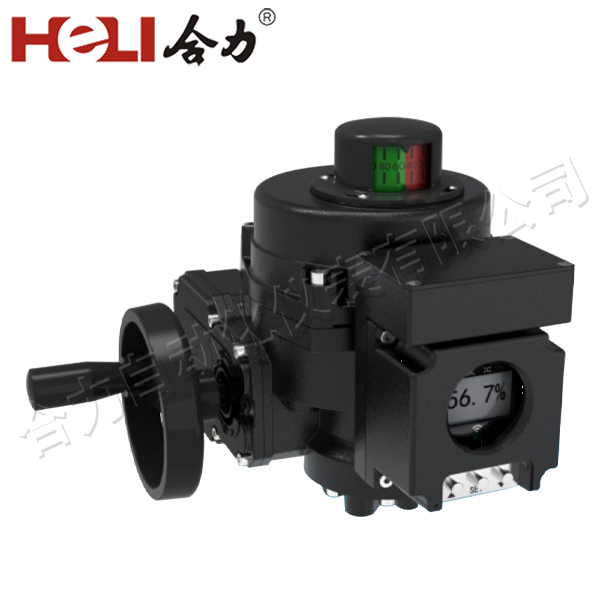
What is a Lithium Battery Electric Actuator?
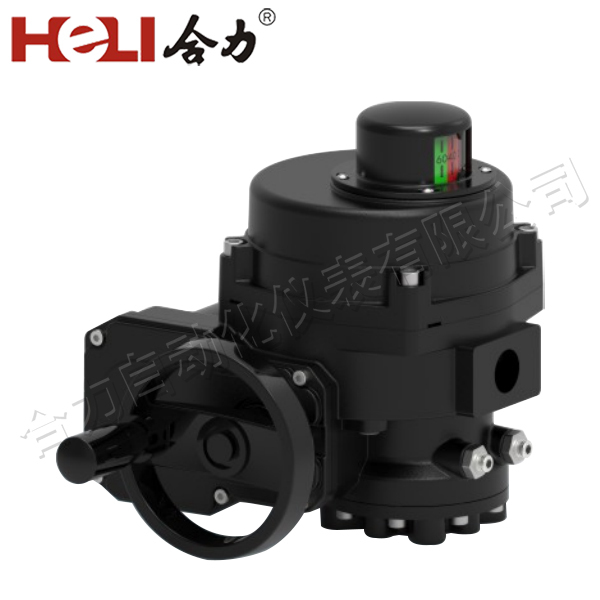
A lithium battery electric actuator is a device that uses a lithium-ion battery to power an electric motor, which in turn drives a mechanical system to create motion. The actuator is controlled by electronic systems that manage the flow of power from the battery to the motor, ensuring precise movements. This type of actuator is particularly valued for its compactness, efficiency, and the ability to function without the need for fluids such as those used in hydraulic or pneumatic actuators. Unlike traditional actuators, which may require complex setups with additional components like pumps or air compressors, lithium battery electric actuators rely solely on the power stored in the battery. This makes them more versatile and easier to integrate into various systems, especially where space, weight, or maintenance concerns are critical.