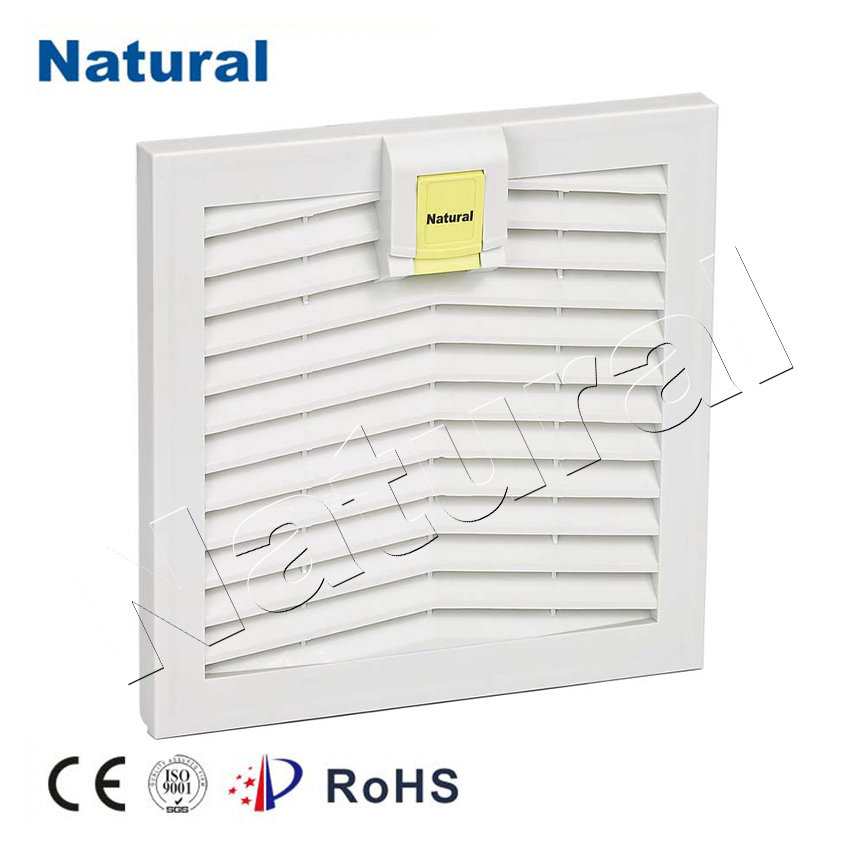
Fan filters are essential components in various systems, from computer cooling units to industrial ventilation and air purification systems. These filters are designed to trap dust, debris, and other airborne particles, preventing them from entering sensitive equipment or contaminating the environment. With growing concerns about air quality, fan filters play a crucial role in maintaining both the functionality of machines and the health of individuals in affected spaces. This article delves into the significance of fan filters, their types, and the areas where they are most commonly used.
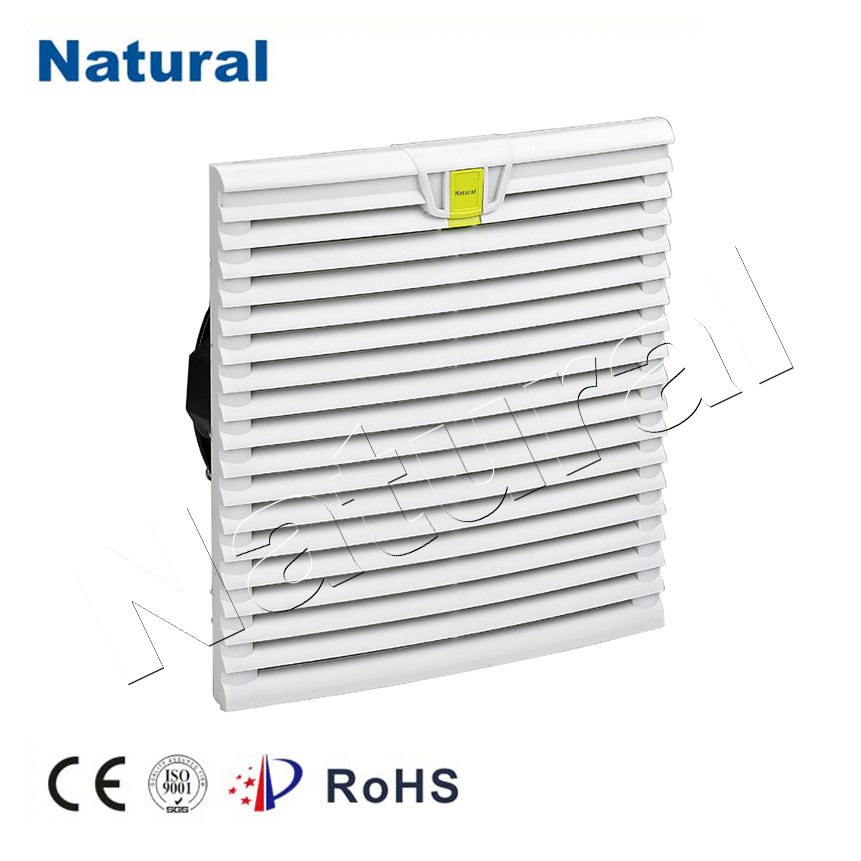
What are Fan Filters?
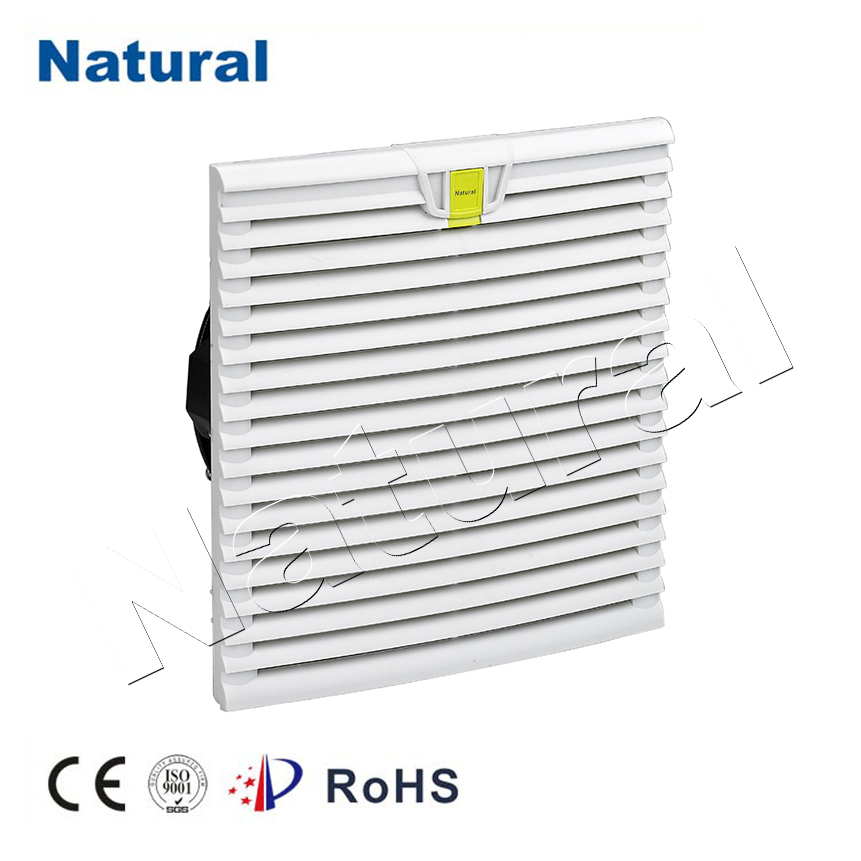
A fan filter is a device designed to filter out dust and other particles from the air that passes through a fan. It typically consists of a mesh or fibrous material that can capture particles before they enter a system or environment. The primary purpose of fan filters is to ensure that dust and debris do not accumulate in sensitive equipment, particularly in environments where clean air is crucial for the system’s operation or human health. In many devices, particularly computers and other electronic systems, dust buildup can significantly hinder performance. The fan filters ensure that the air entering the system is as free from pollutants as possible, preventing overheating and prolonging the lifespan of the equipment.