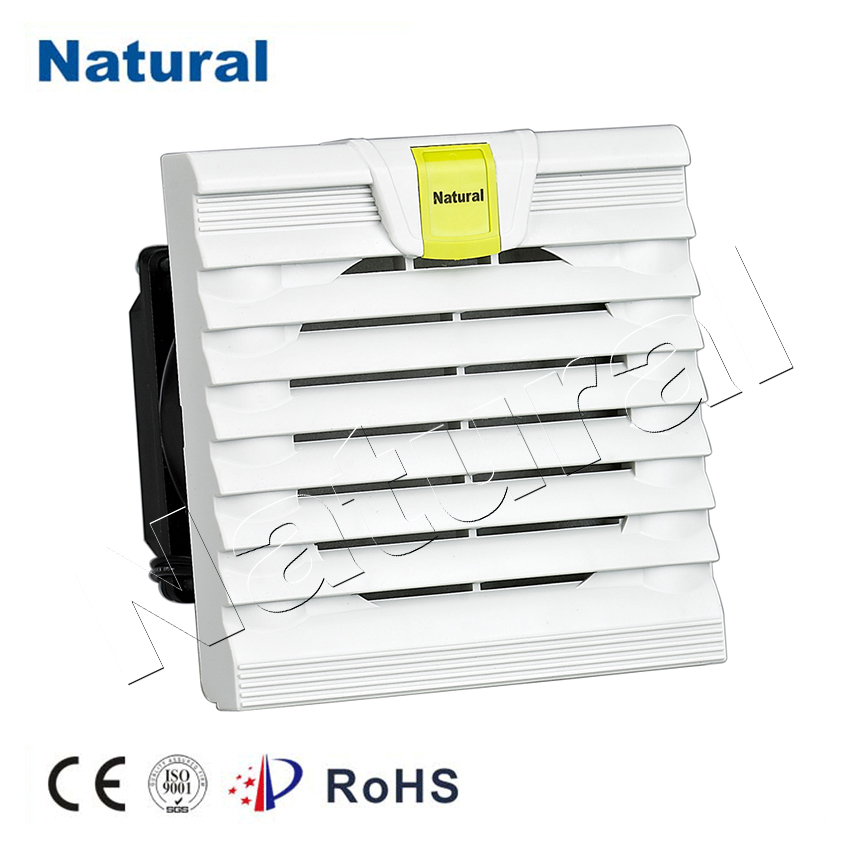
In today’s world, where electronic devices are omnipresent, ensuring their optimal functioning is critical. One essential aspect of maintaining these devices is controlling their temperature. Excess heat can not only impair the performance of electronic equipment but can also lead to permanent damage. This is where cabinet fans and filter fans play an important role. These cooling solutions are commonly used in electronic enclosures and server racks to maintain a safe and stable operating environment for sensitive components. This article delves into the functionality, types, and importance of cabinet fans and filter fans, highlighting how they contribute to the longevity and efficiency of electronic systems.
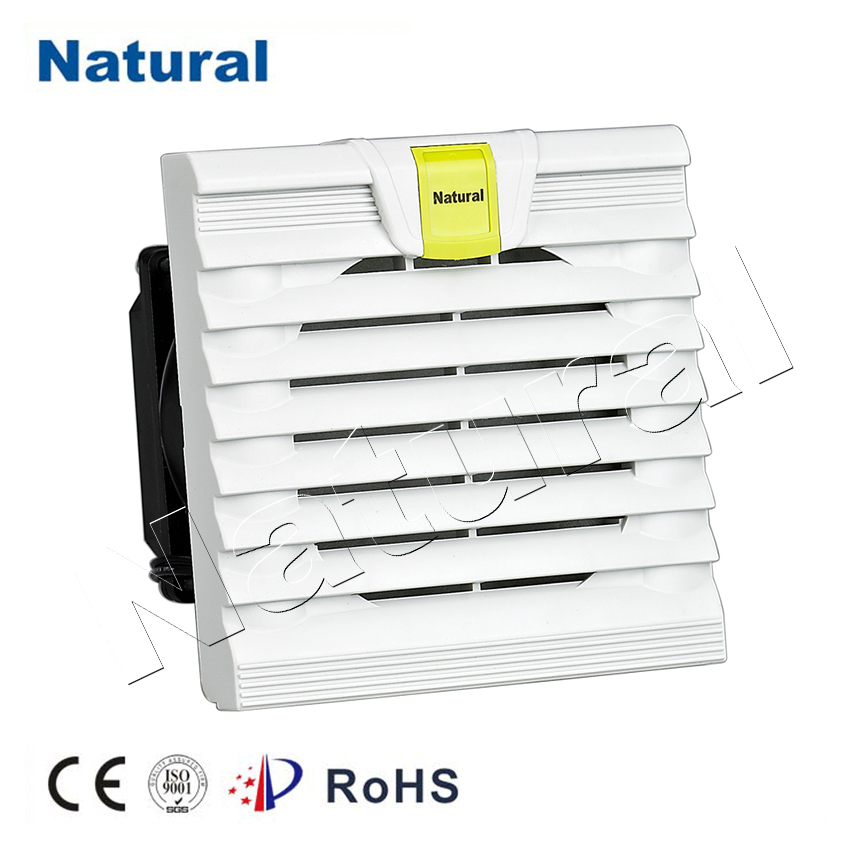
What is a Cabinet Fan?
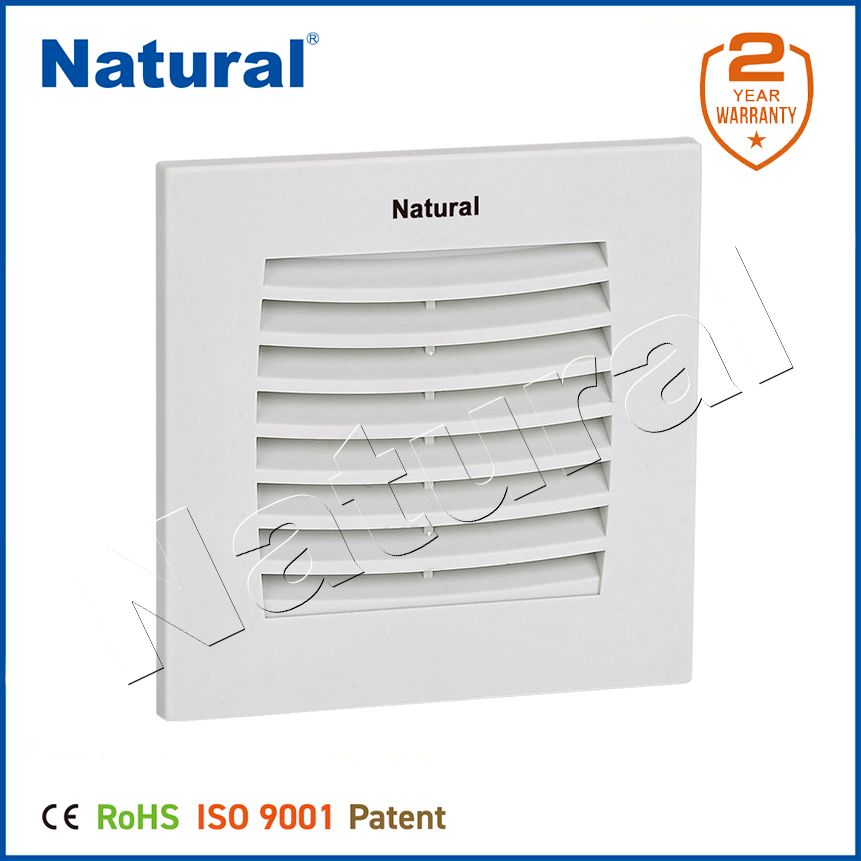
A cabinet fan is a cooling system installed in electronic enclosures, such as server racks or control cabinets. Its primary function is to regulate the temperature inside the enclosure by providing continuous airflow, preventing overheating of sensitive components. Cabinet fans are generally mounted on the walls of the enclosure and come in various sizes, shapes, and airflow capacities to suit different requirements. The basic operation of a cabinet fan involves drawing air from the surroundings and pushing it into the enclosure. This helps expel the warm air inside and replace it with cooler air from outside, thereby maintaining a consistent and safe temperature for the internal components. This process is vital for preventing electronic components from reaching critical temperatures that could cause malfunction or even failure.