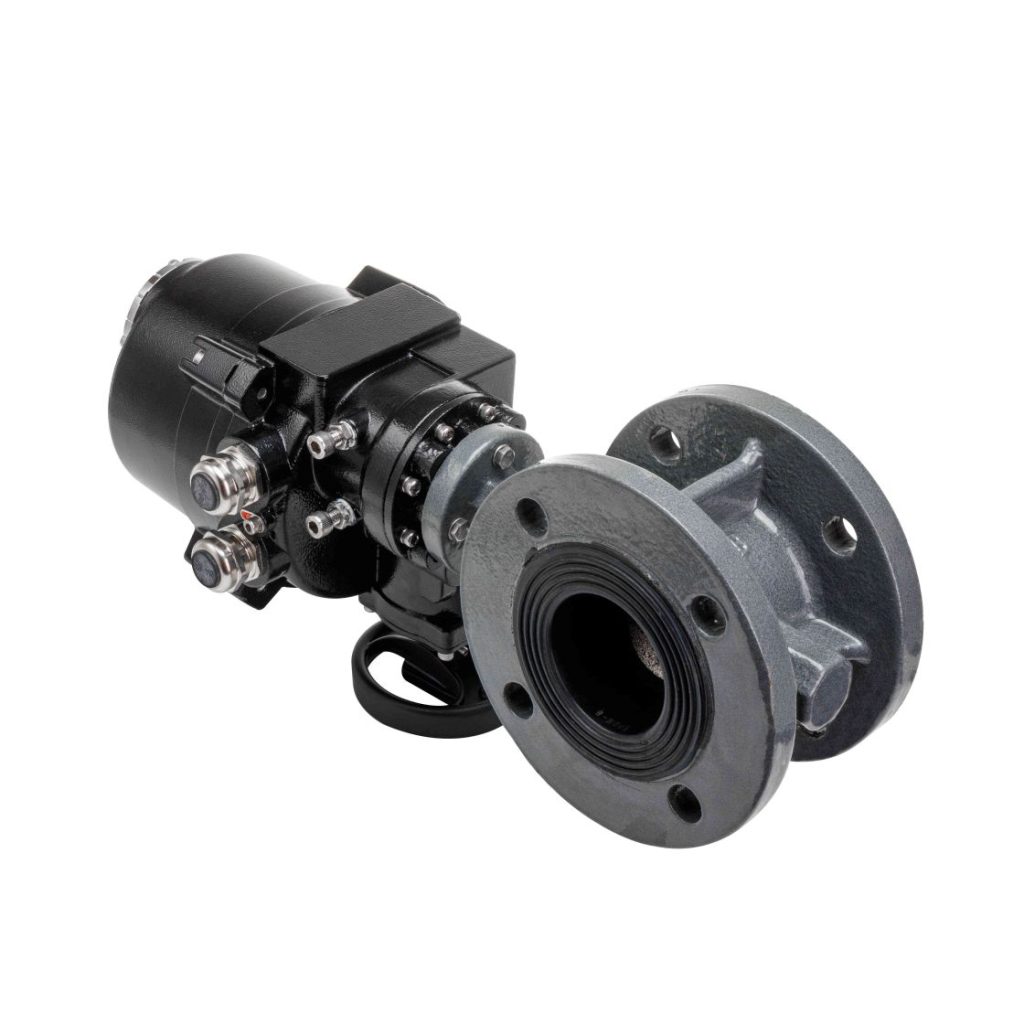
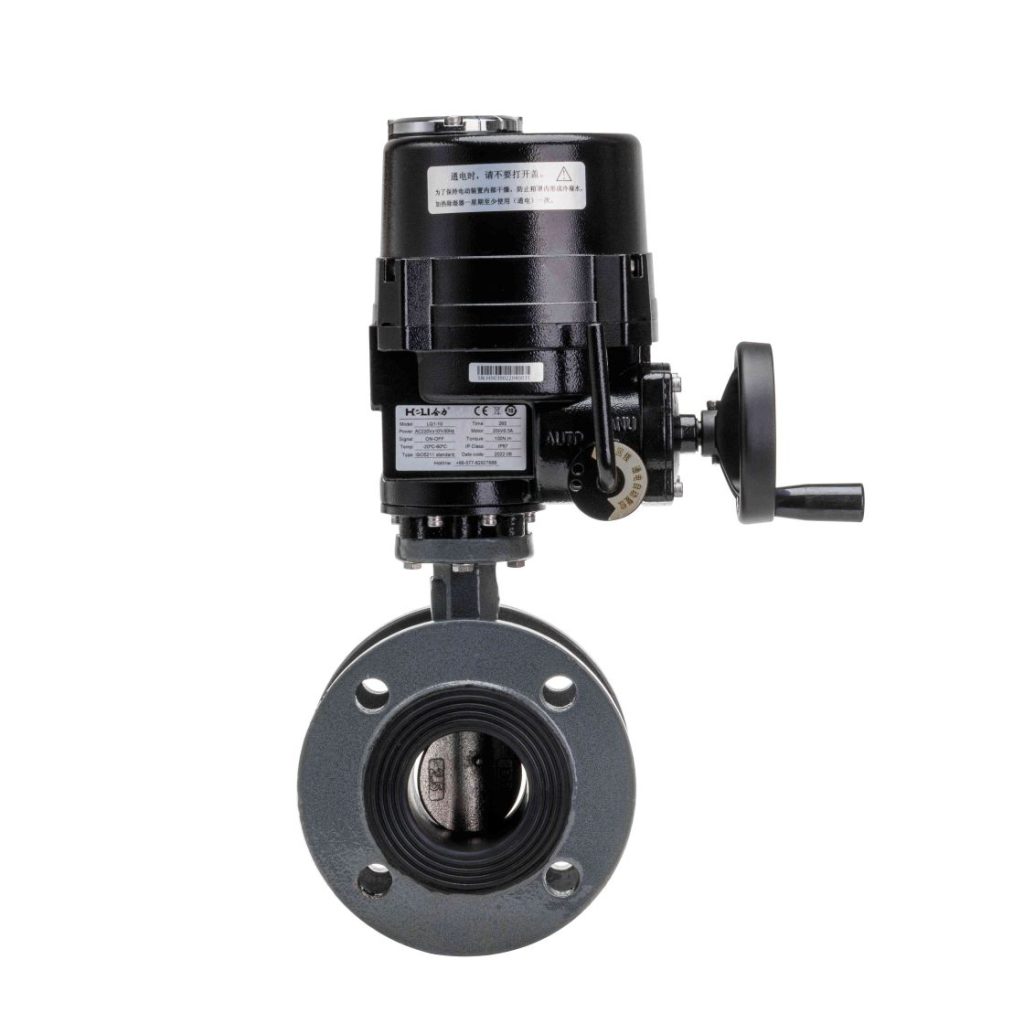
In the maritime and offshore industries, efficient fluid control is crucial for the smooth operation of various systems on ships and offshore platforms. Among the numerous components used for fluid and gas control, the stainless steel marine electric ball valve has emerged as a vital apparatus. Designed specifically to withstand the harsh marine environment, these valves combine durability with high performance, making them indispensable in naval applications.
Composition and Construction
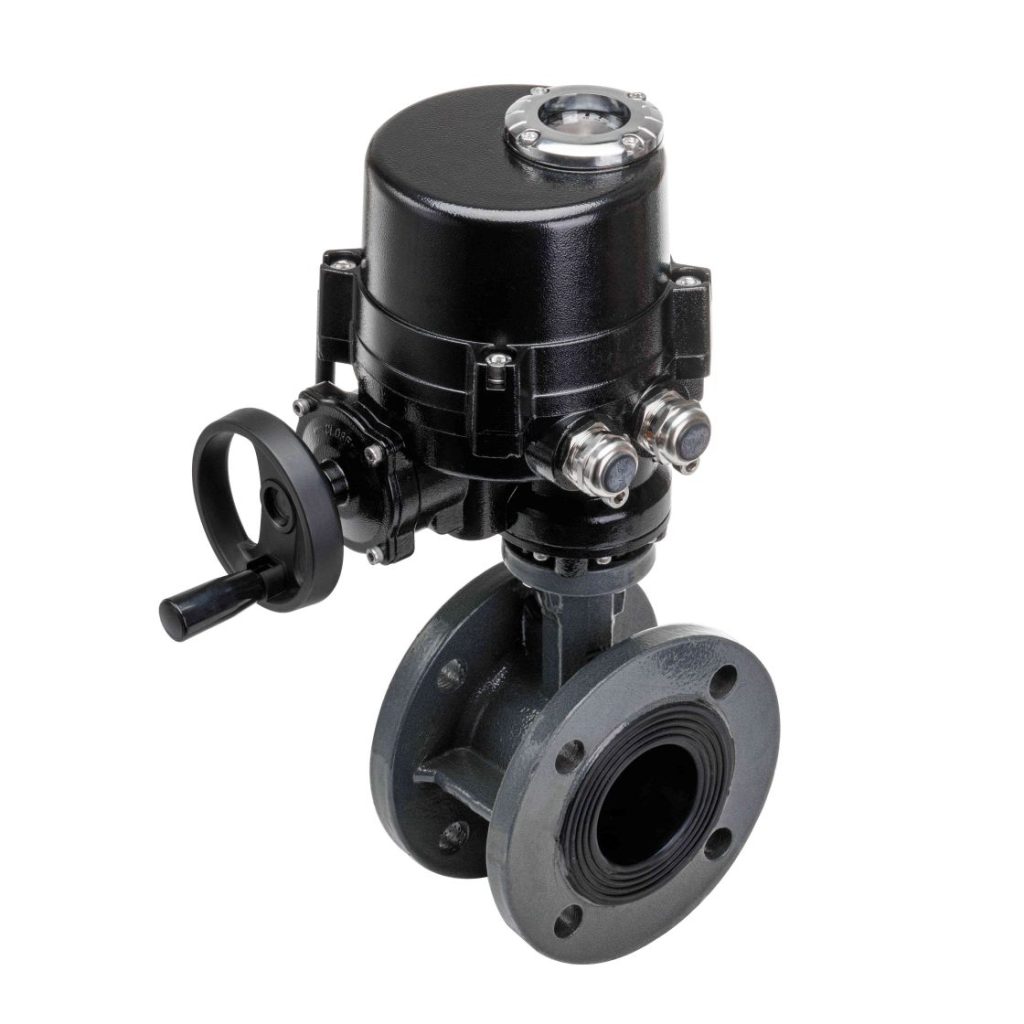
Stainless steel marine electric ball valves are primarily constructed from corrosion-resistant stainless steel, often using 316 or 304 grades. The choice of material is critical; 316 stainless steel, for instance, offers enhanced protection against chlorides and saltwater, which are prevalent in marine conditions. The internal structure features a spherical ball that, when rotated, allows or blocks fluid flow, thus enabling precise control over liquid and gas movement. The ball valve’s sealing mechanism typically incorporates materials such as polytetrafluoroethylene (PTFE) or other synthetic compounds, which ensure an effective barrier against leaks. The design of the valve allows for a tight seal even under varying pressure conditions, further enhancing its reliability.