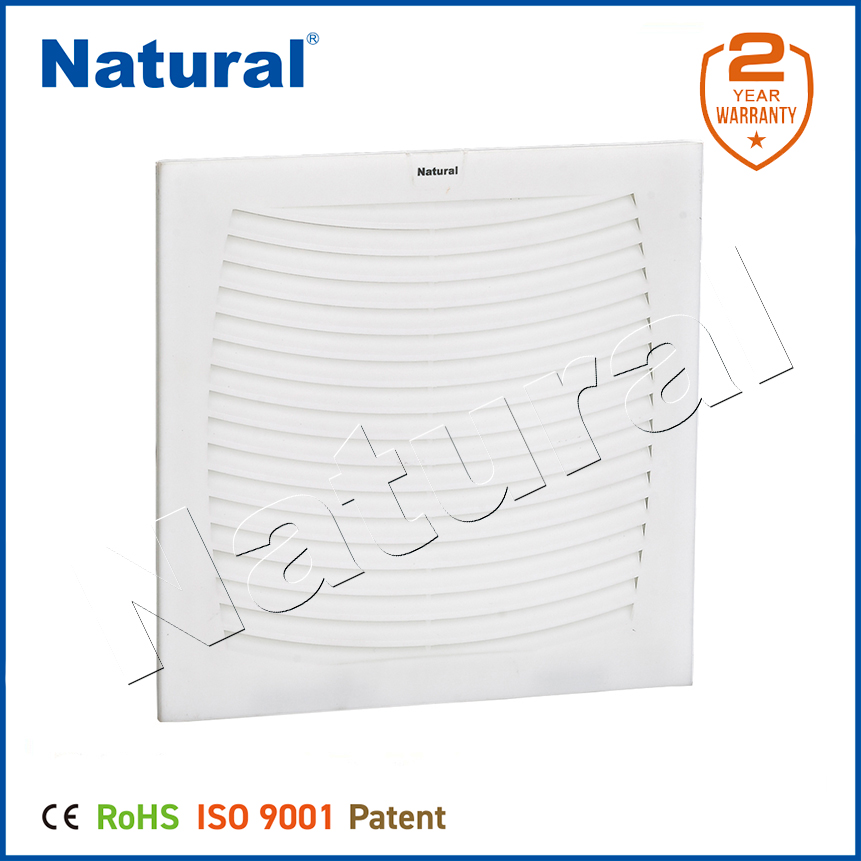
Electric fans are a common household appliance, providing relief from the heat and improving air circulation in indoor spaces. However, while they excel at cooling, they do little to purify the air they circulate. This is where electric fan filters come into play. These filters are designed to improve air quality by capturing airborne particles such as dust, pollen, and bacteria, making the environment cleaner and healthier. In this article, we will explore the importance of electric fan filters, how they work, the different types available, and the benefits they offer.
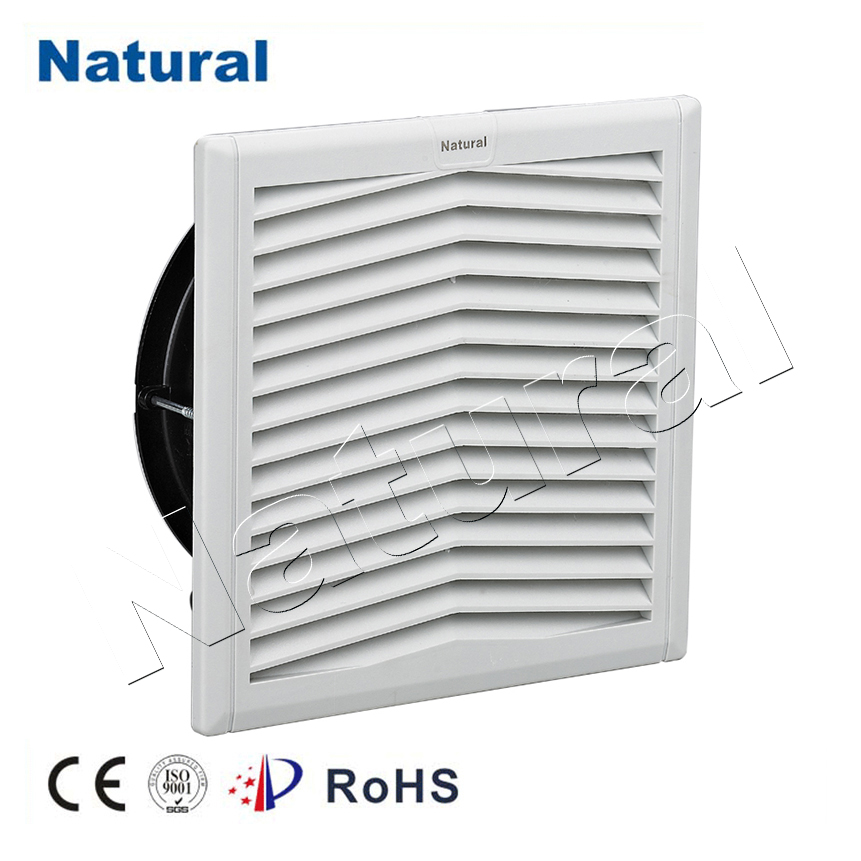
What is an Electric Fan Filter?
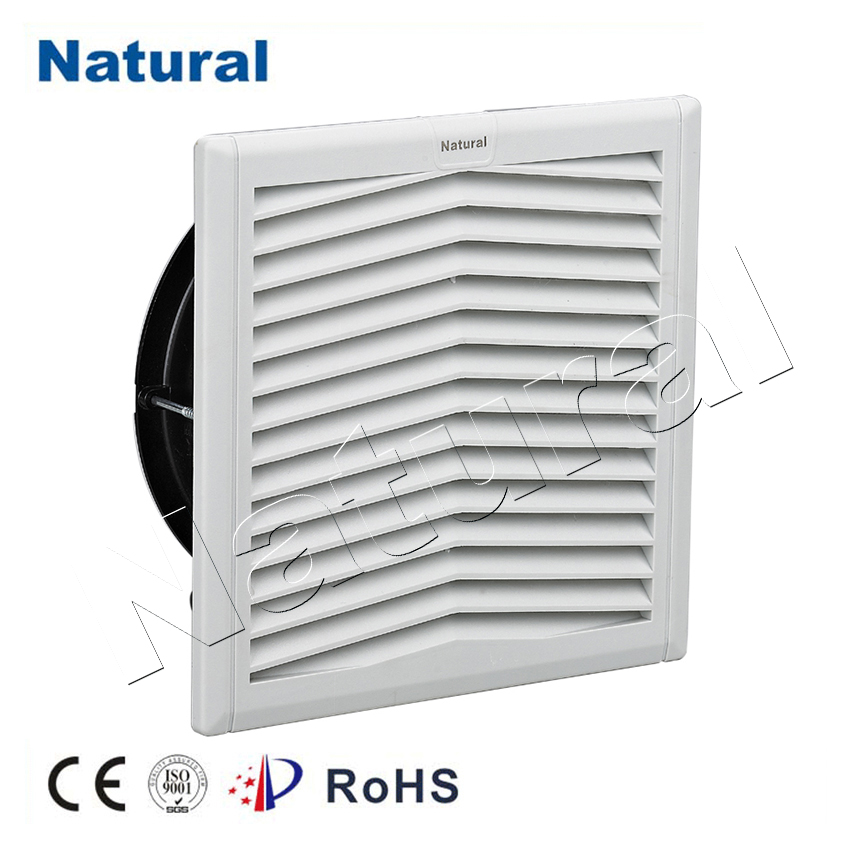
An electric fan filter is a device attached to the fan’s intake or exhaust system, designed to purify the air passing through the fan. It functions similarly to air purifiers, filtering out harmful particles and allergens, thereby preventing them from being dispersed throughout the room. Electric fan filters typically consist of various materials like mesh, HEPA (High-Efficiency Particulate Air) filters, carbon, or other synthetic fibers, depending on the intended purpose. How Do Electric Fan Filters Work? Electric fan filters work by utilizing a filtration mechanism to trap dust, dirt, allergens, and other particles from the air. As the fan pulls air into the system, it passes through the filter, which captures airborne contaminants. The filtered air is then circulated back into the room, providing a cleaner and more comfortable environment.