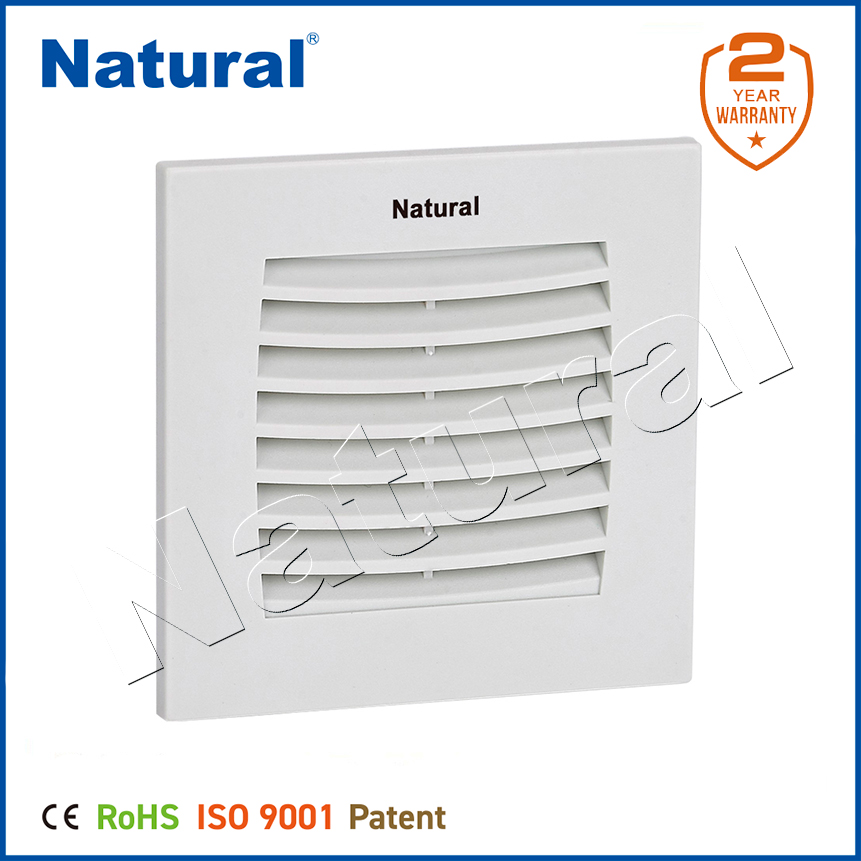
In modern industrial environments, the protection and maintenance of electrical equipment are paramount to ensuring efficient operations and minimizing downtime. One critical component in achieving this protection is the electrical cabinet filter. Electrical cabinets house various electrical components such as circuit breakers, control panels, and other critical devices, all of which require a controlled environment to operate effectively. Without proper filtration, these sensitive components may be exposed to harmful environmental factors like dust, moisture, and pollutants, leading to potential damage or failure.
What is an Electrical Cabinet Filter?
An electrical cabinet filter is a device installed in the ventilation system of electrical cabinets or enclosures. Its primary function is to filter out dust, debris, and harmful particles from the incoming air to maintain a clean and optimal internal environment for the equipment. It typically consists of a filter media—such as a foam, fiberglass, or HEPA material—that traps particulate matter before it can enter the cabinet. These filters are designed to ensure that the air circulating inside the cabinet is free from contaminants, which can otherwise damage sensitive components. Additionally, they help maintain the temperature and humidity levels within a safe range, contributing to the longevity and performance of the electrical devices.