As the world increasingly shifts toward sustainable energy solutions, hydrogen energy has emerged as a promising alternative to traditional fossil fuels. Hydrogen holds great potential as a clean energy source, but its effective utilization necessitates precise control mechanisms within hydrogen systems. One such critical component is the Hydrogen Energy Electric Two-Seat Regulating Valve. This article delves into the functionality, applications, advantages, and challenges associated with this vital component of hydrogen infrastructure.
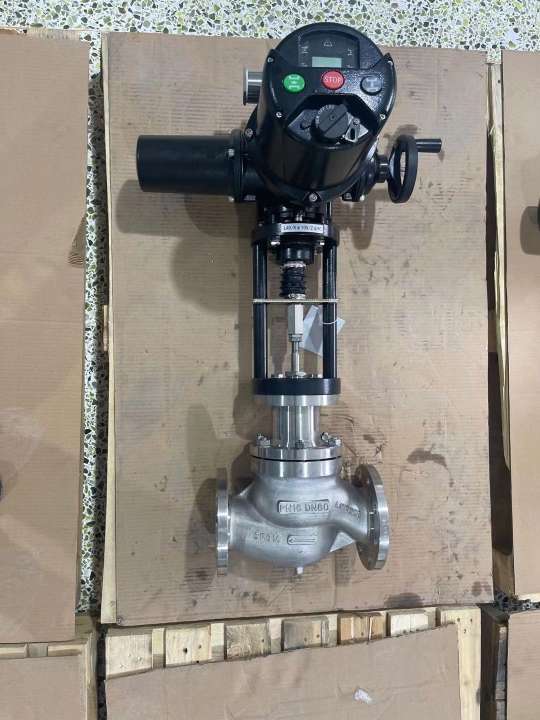
What is a Hydrogen Energy Electric Two-Seat Regulating Valve? A Hydrogen Energy Electric Two-Seat Regulating Valve is designed specifically to control the flow of hydrogen gas in various applications. The valve features two seats, which provide superior sealing capabilities compared to single-seat valves. This design ensures reliable flow regulation and minimal leakage — crucial for handling hydrogen due to its flammable nature and the need for high safety standards. Working Mechanism The electric two-seat regulating valve comprises several main parts: the valve body, two valve seats, a valve plug, and an electric actuator. The actuator is responsible for opening or closing the valve based on signals from a control system. When the valve is actuated, the valve plug moves between the seats, either allowing hydrogen to flow or restricting it. The dual-seat design enhances flow stability and enables finer adjustments, which is particularly important in sensitive applications, such as in fuel cells or hydrogen generation systems.