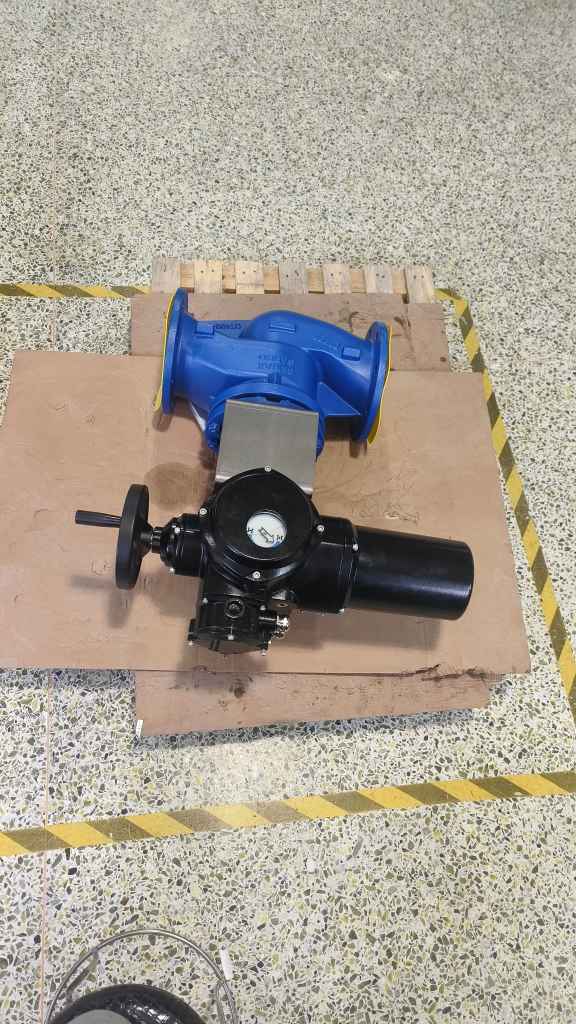
As the world increasingly shifts towards renewable energy sources, hydrogen energy has emerged as a pivotal player in the quest for sustainable solutions. Hydrogen is recognized for its potential to provide clean energy, especially in transportation and power generation. However, with the adoption of hydrogen energy comes the necessity for robust safety measures, one of which is the hydrogen energy electric shut-off valve. This article delves into the significance, operation, and applications of these valves in hydrogen systems.
What is a Hydrogen Energy Electric Shut-off Valve?
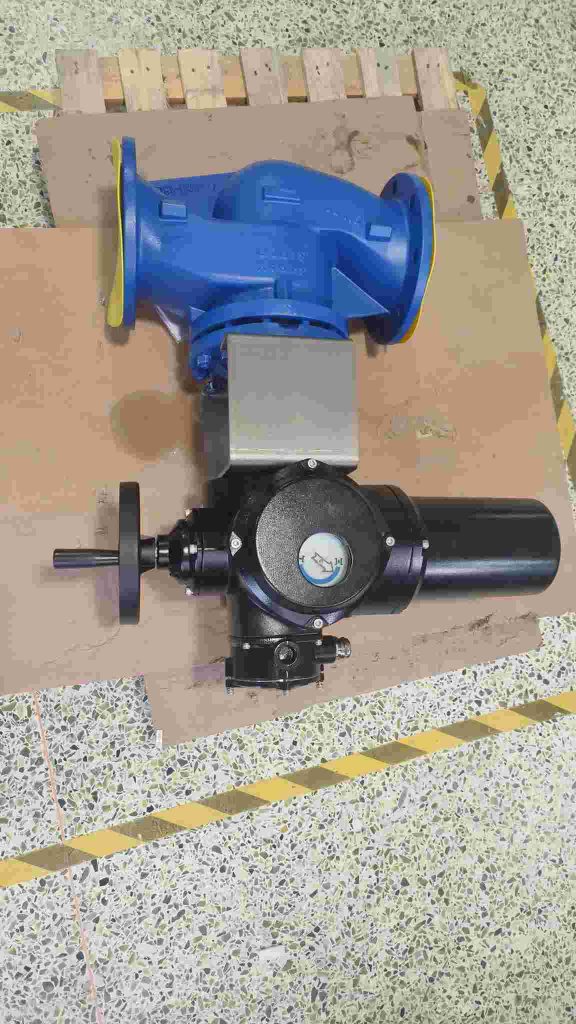
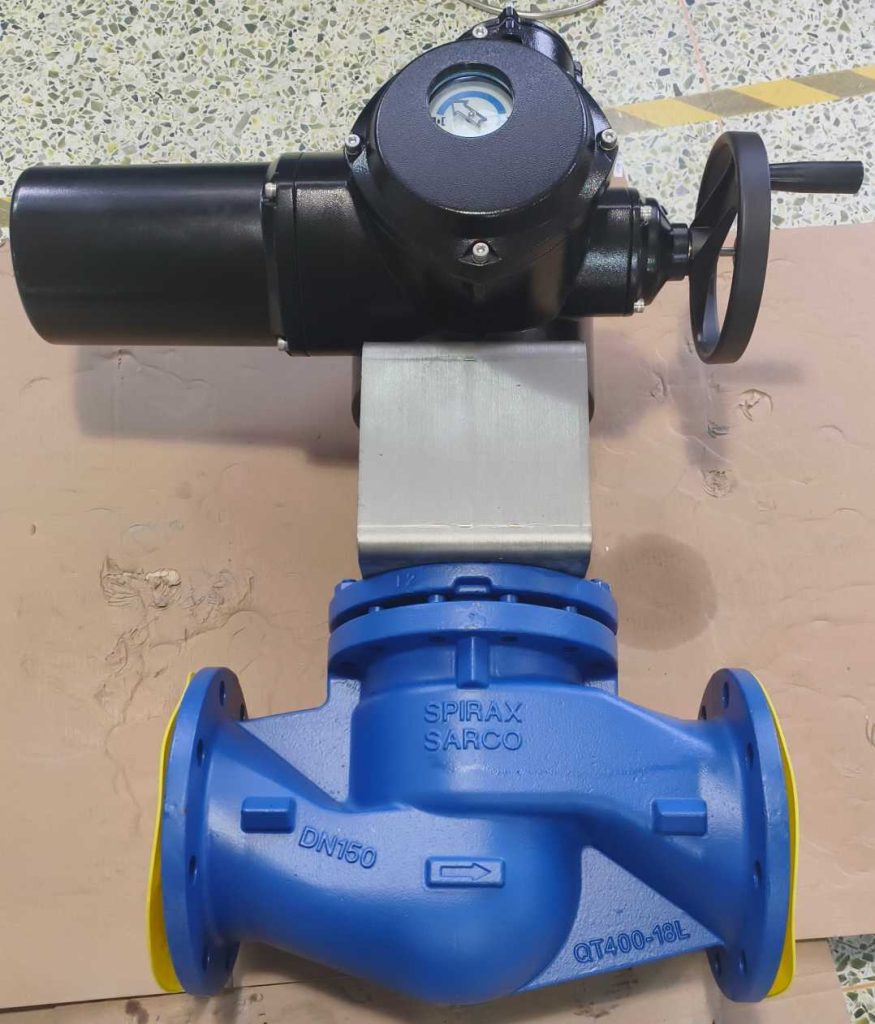
A hydrogen energy electric shut-off valve is a critical component designed to control the flow of hydrogen gas within a system. It serves as a safety mechanism to prevent accidental release or leaks of hydrogen, a highly flammable and explosive gas. The valve operates electronically, allowing for remote control and automation in response to various system conditions. Importance of Shut-off Valves in Hydrogen Systems Safety is paramount in any system that handles hydrogen. The properties of hydrogen—its low ignition energy and wide flammability range—necessitate the implementation of effective control mechanisms. The hydrogen energy electric shut-off valve plays a vital role in ensuring safety by: