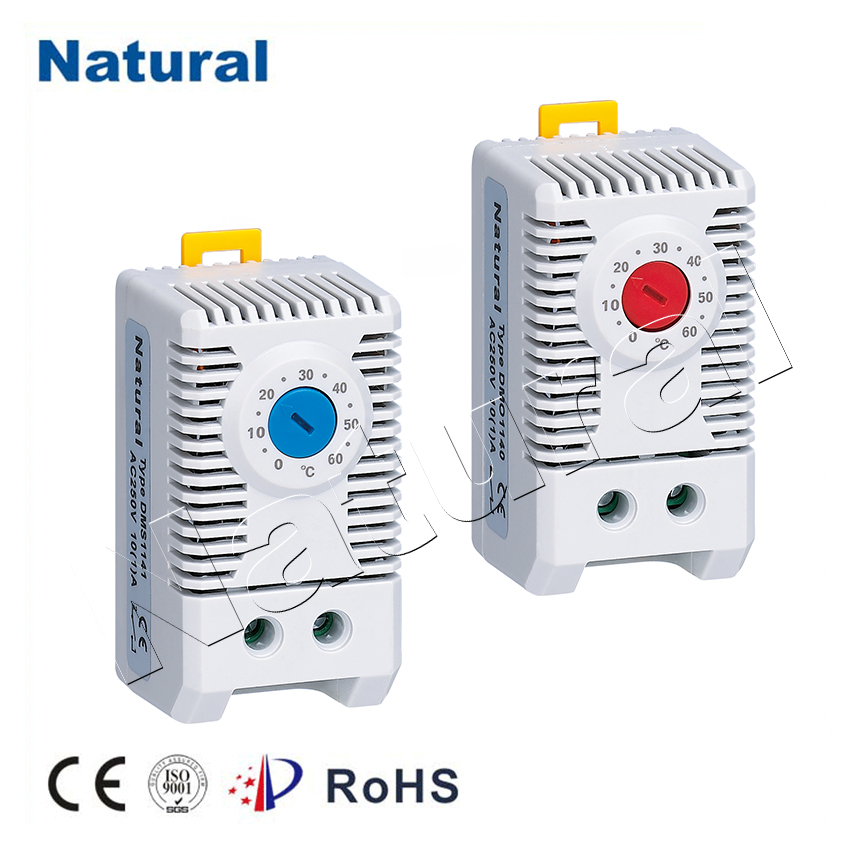
A 24V thermostat is a common and essential component in many heating, ventilation, and air conditioning (HVAC) systems. It serves as a bridge between the environmental conditions of a space and the equipment that controls those conditions. Whether it’s for regulating the temperature of a central heating system, a cooling system, or both, the 24V thermostat plays a pivotal role in creating a comfortable living or working environment. In this article, we’ll explore the workings, types, and advantages of 24V thermostats, shedding light on why they are widely used in residential and commercial settings.
What is a 24V Thermostat?
A 24V thermostat is a temperature control device that operates using a 24-volt electrical system. This low-voltage system is commonly used in HVAC systems, where the thermostat acts as a temperature sensor, monitoring the room’s temperature and activating or deactivating heating or cooling systems based on the preset temperature. The 24V voltage refers to the electrical power required to operate the thermostat’s internal components and to signal the HVAC system to adjust its output. The 24V design is standard because it ensures safety and reliability while also being energy-efficient. HVAC systems that use 24V thermostats typically rely on low-voltage signals to control the heating and cooling processes, making them more efficient than systems that run on higher-voltage alternatives.