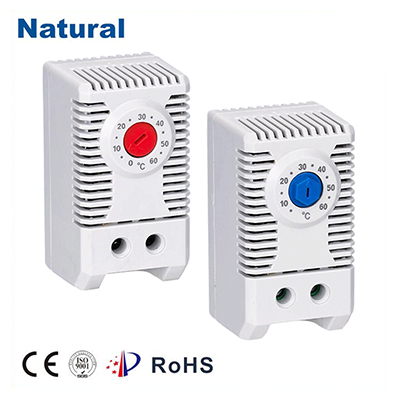
A bimetal thermostat is a widely used temperature control device that operates based on the physical properties of two different metals. These thermostats are found in a variety of applications, from household appliances to industrial machines, due to their simplicity, reliability, and cost-effectiveness. This article will explore the working principle of a bimetal thermostat, its various applications, advantages, and limitations, shedding light on why it remains a key component in many temperature regulation systems.
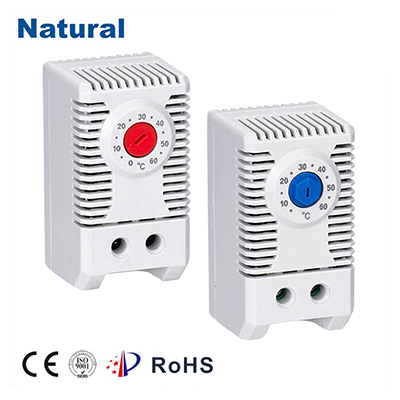
What is a Bimetal Thermostat?
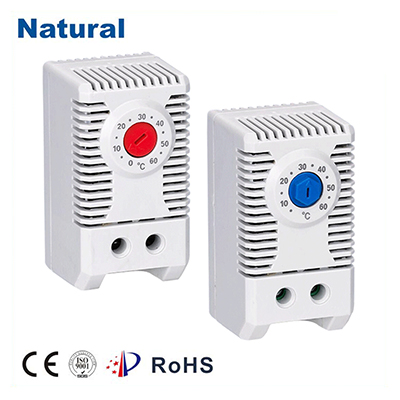
A bimetal thermostat is a mechanical device that regulates temperature by utilizing two different metals that are bonded together. These metals have different coefficients of thermal expansion, meaning they expand and contract at different rates when exposed to temperature changes. This differential expansion causes the bimetal strip to bend or warp. When the temperature reaches a specific level, the bending of the bimetal strip activates a switch that opens or closes an electrical circuit, either turning a device on or off depending on the design. Working Principle of a Bimetal Thermostat