The Electric Single Seat Regulating Valve is an essential component used in various industrial applications for fluid control. This valve type plays a significant role in managing the flow of liquids and gases, ensuring optimal operation of processes in sectors such as HVAC (heating, ventilation, and air conditioning), chemical manufacturing, pharmaceuticals, and oil and gas industries. Understanding the mechanics, applications, and benefits of this valve type is crucial for professionals in these fields.
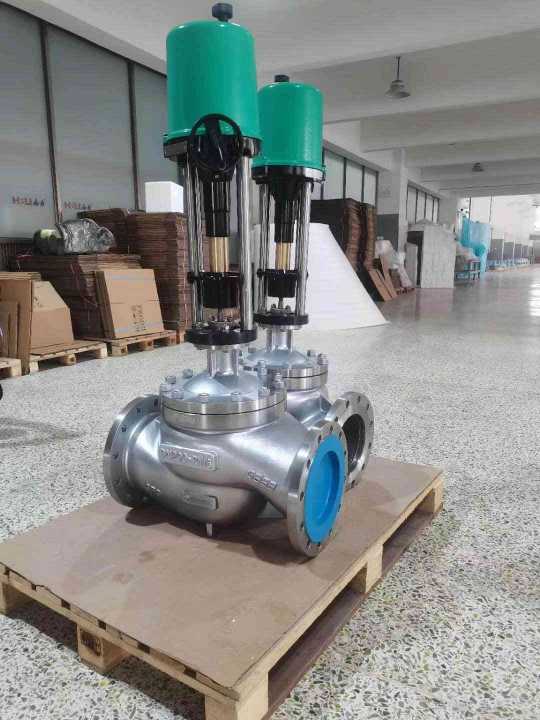
Overview of Electric Single Seat Regulating Valve At its core, the Electric Single Seat Regulating Valve consists of a valve body, a valve seat, a disc or plug (the valve element), and an electric actuator. The structure is relatively simple, which facilitates ease of installation and maintenance. The “single seat” design means that there is a single valve seat where the flow is regulated, making it ideal for providing precise control in various applications. The primary function of this valve is to regulate flow rates and pressures within a pipeline system. It does this by adjusting the position of the valve disc, which can be moved up or down by an electric actuator based on signals received from a control system. These signals typically come from flow meters or pressure transmitters and represent the desired setpoint for the system.