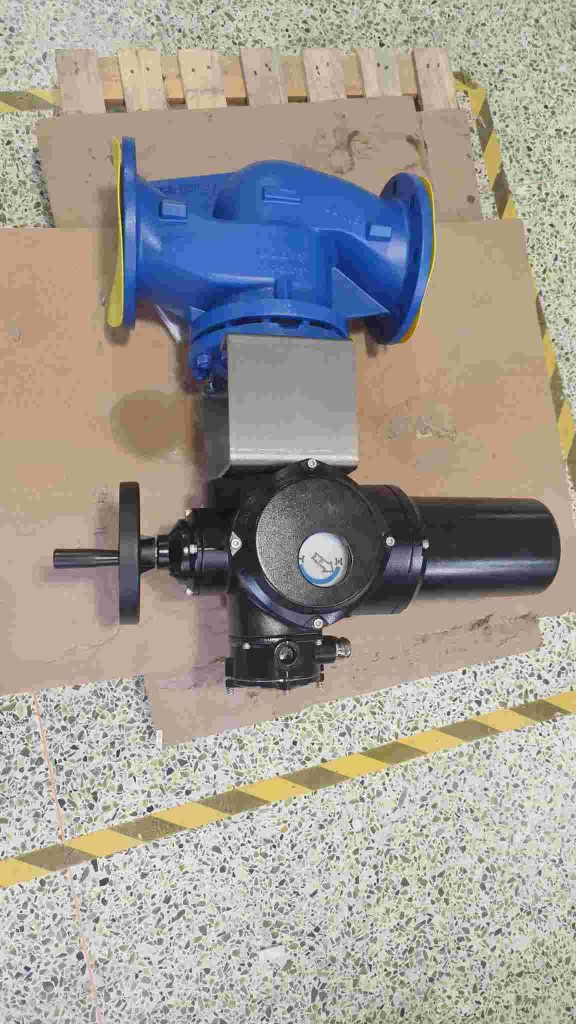
The Electric Globe Valve is an essential device in various industrial applications, designed to provide precise flow control for a wide range of fluids. It combines the functionality of a traditional globe valve with an electric actuator, offering advanced automation capabilities that are invaluable in modern engineering processes. This article will explore the structure, working principles, advantages, applications, and considerations associated with Electric Globe Valves.
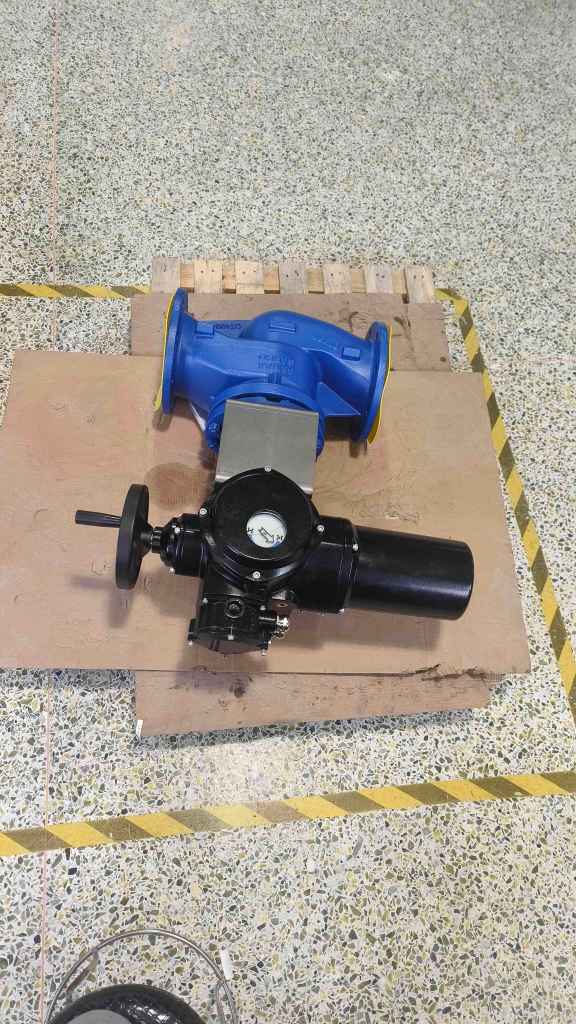
Structure and Design
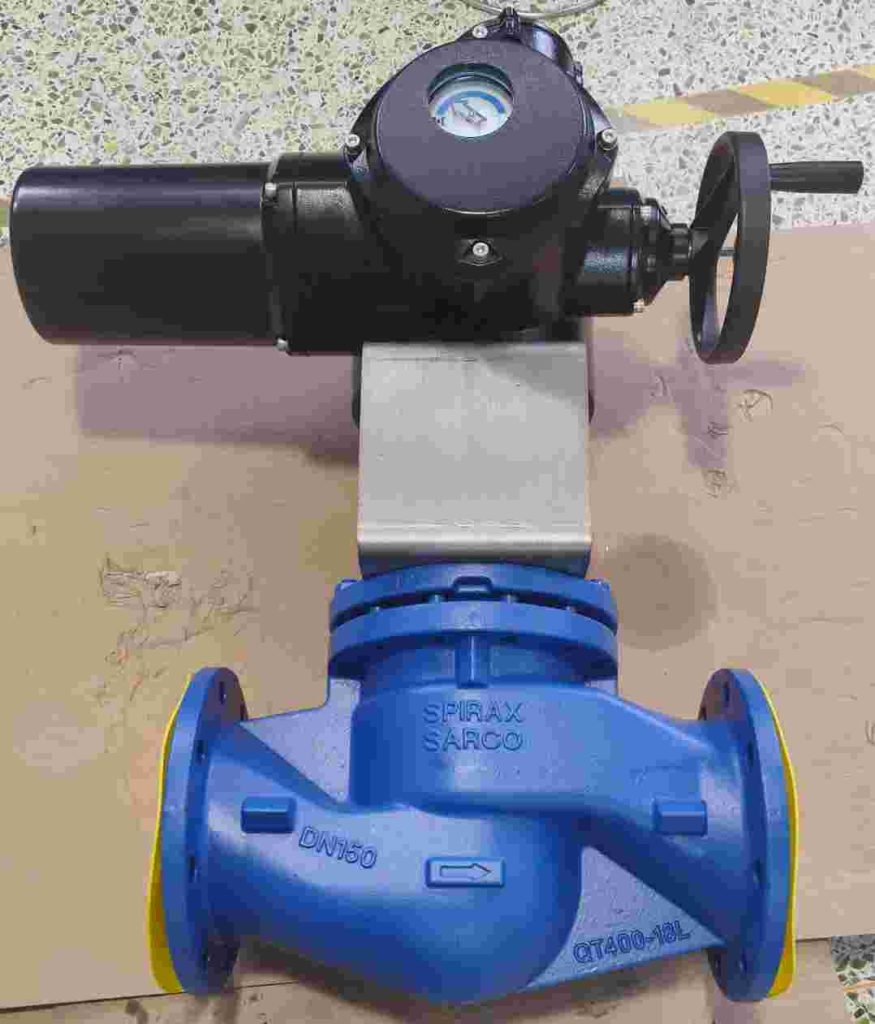
Electric Globe Valves typically consist of several key components: the valve body, the globe trim (which includes the valve disc and seat), and the electric actuator. The valve body is usually made from high-quality materials such as stainless steel or carbon steel to withstand various environmental conditions and fluid types. The globe trim includes a spherical disc that controls fluid flow. When the valve is closed, the disc fits snugly against the valve seat, creating a tight seal that prevents fluid from passing through. The design of the globe valve allows for gradual flow control, making it preferable for applications requiring fine adjustments.