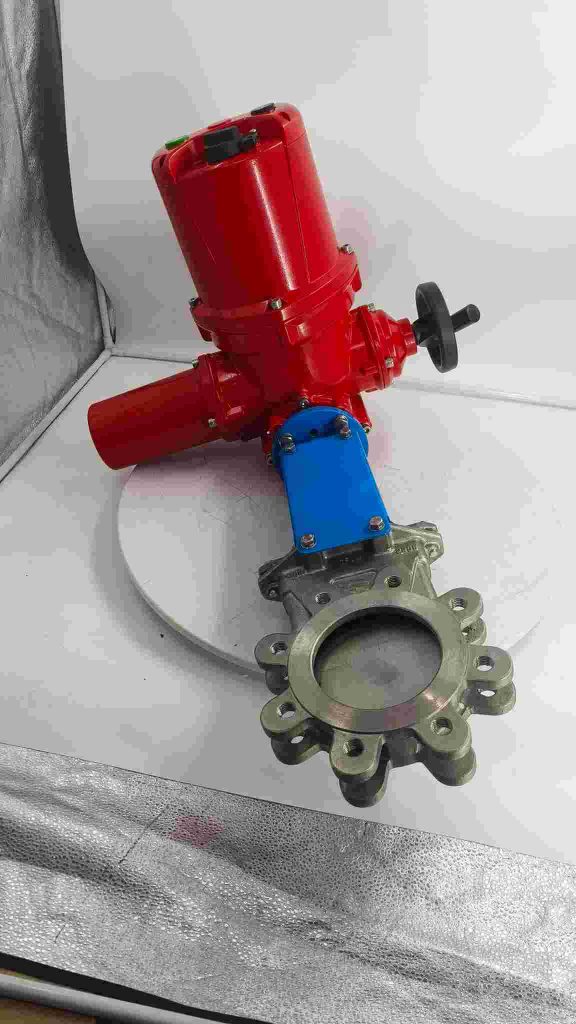
An electric gate valve is a type of valve that uses an electric actuator to control the flow of liquids or gases within a pipeline system. It combines the benefits of traditional gate valves, known for their excellent sealing capabilities, with the automation provided by electric actuators. These valves are widely used in various industries where precise, remote control of fluid flow is required. In this article, we will explore the key features, applications, and advantages of electric gate valves.
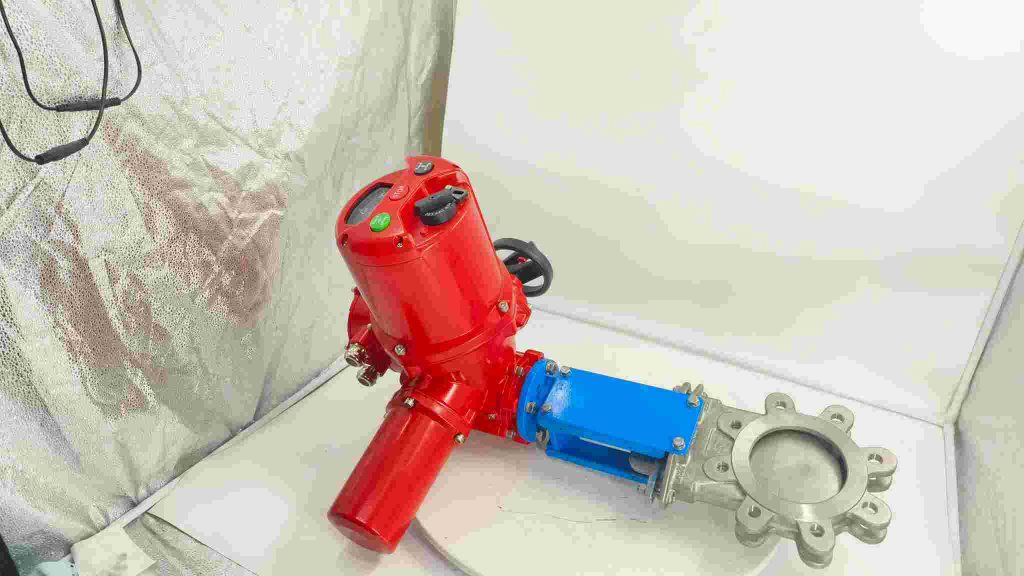
Key Features of Electric Gate Valves
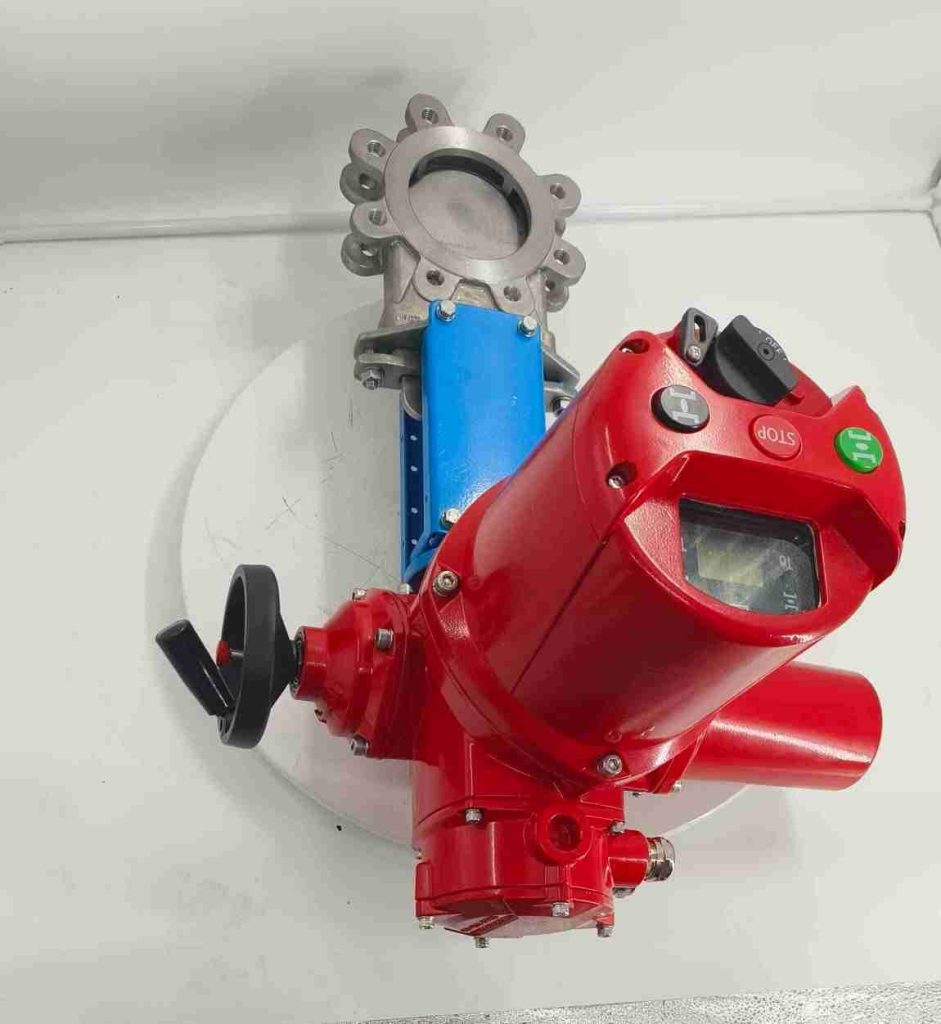
1. Electric Actuator Control The most defining feature of an electric gate valve is its electric actuator. This actuator is powered by electricity and can be remotely controlled, offering a high degree of automation and convenience. The actuator is responsible for moving the valve’s gate, either opening or closing it, depending on the operational requirements. Electric actuators can be controlled by a variety of systems, such as Programmable Logic Controllers (PLCs), SCADA systems, or even manually via a switch. 2. Excellent Sealing Performance Like traditional gate valves, electric gate valves offer a tight seal when fully closed. This is crucial for preventing leakage, especially in applications where the flow of hazardous or expensive fluids needs to be controlled. The gate’s design allows it to completely isolate the flow path when closed, making it an ideal choice for systems that require complete shutoff.