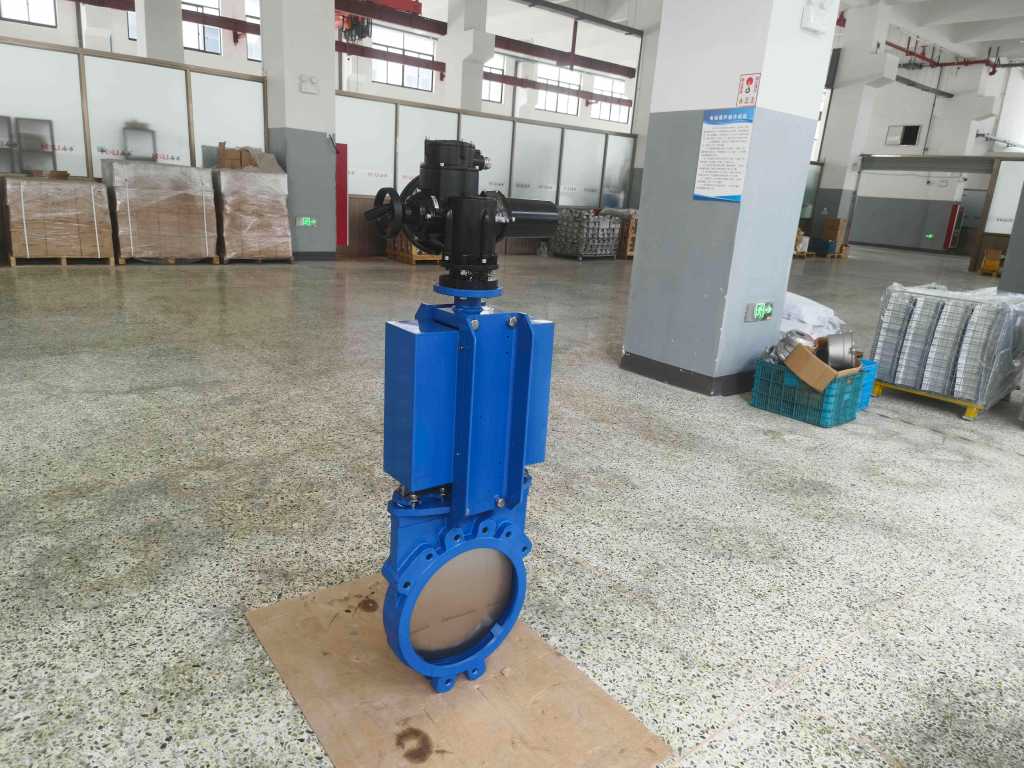
The Electric Flat Gate Valve is a pivotal component in modern industrial fluid control systems. Its design and operation allow for efficient management of fluid flow in various applications, making it a widely used solution in sectors ranging from manufacturing to municipal water facilities. This article delves into the functionality, advantages, and applications of the Electric Flat Gate Valve, outlining its importance in today’s interconnected world.
What is an Electric Flat Gate Valve?
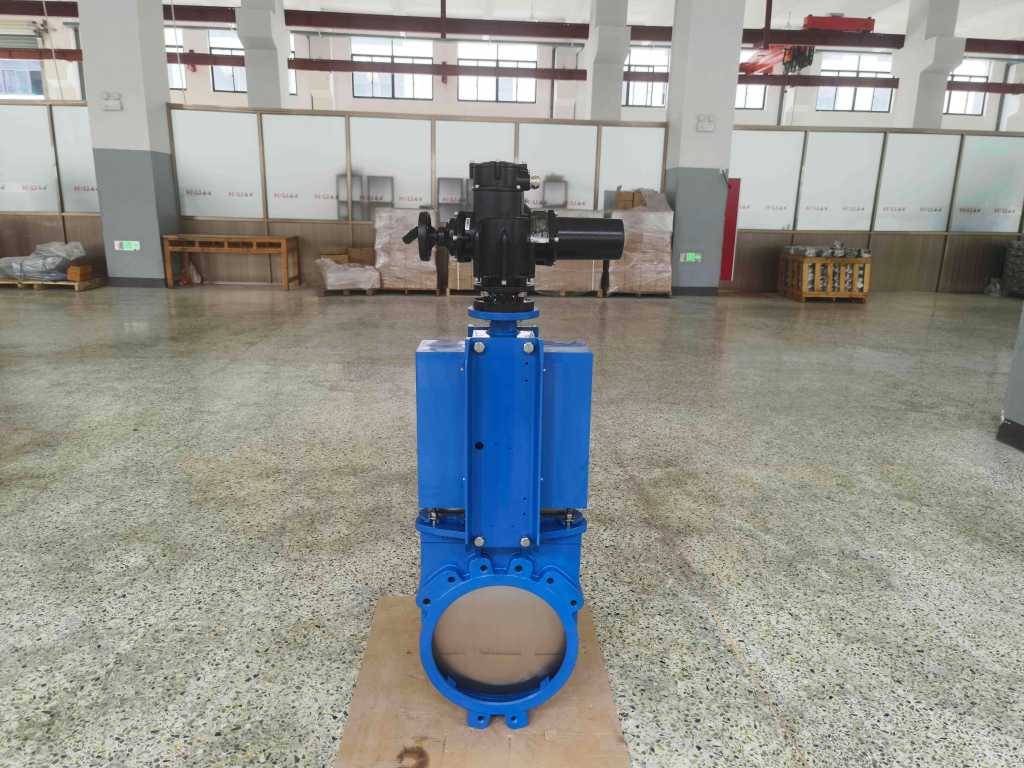
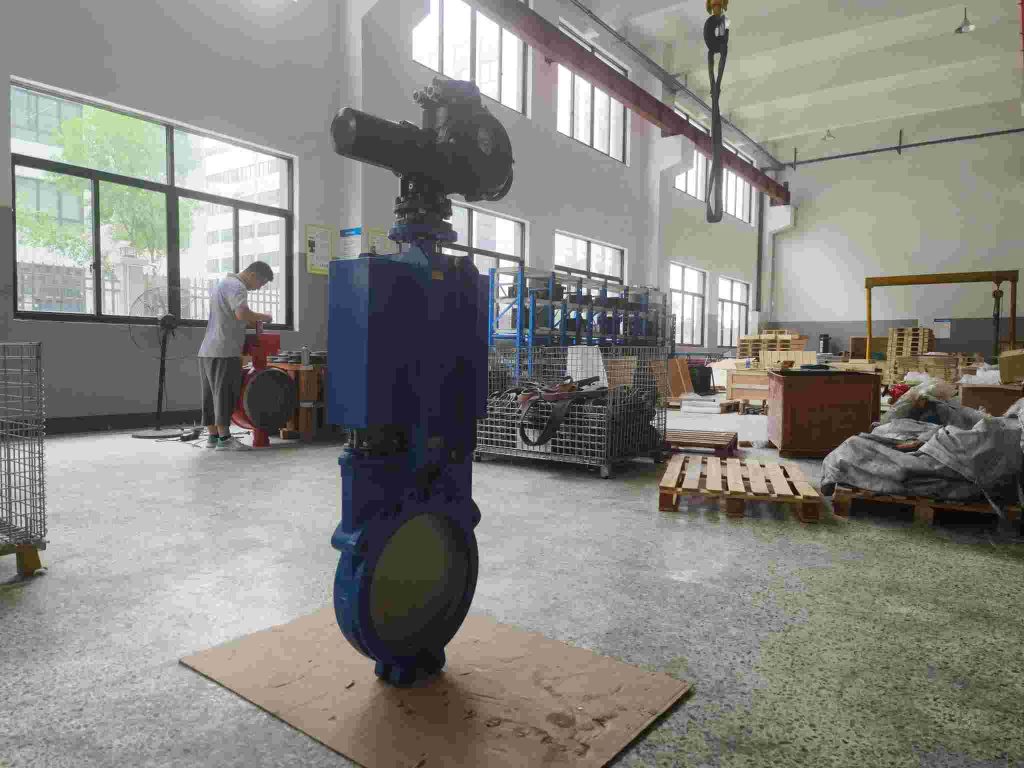
An Electric Flat Gate Valve is a type of valve that is designed to regulate the flow of liquids, gases, or slurries within a pipeline. It features a flat disc or gate that moves vertically within the valve body to either obstruct or permit fluid flow. The electric component refers to the actuator, which drives the gate’s movement based on electrical signals, allowing for precise control over the valve’s position. This type of valve is generally favored for its straightforward design and effective sealing capabilities. How Does It Work? The operation of an Electric Flat Gate Valve is relatively simple yet effective. When the electric actuator receives a signal—usually from a control system—it rotates a screw mechanism that raises or lowers the gate within the valve. When the gate is fully lowered, it creates a seal against the valve seat, preventing any fluid flow. Conversely, lifting the gate allows fluid to pass through the valve, either completely or partially, depending on the required flow rate.