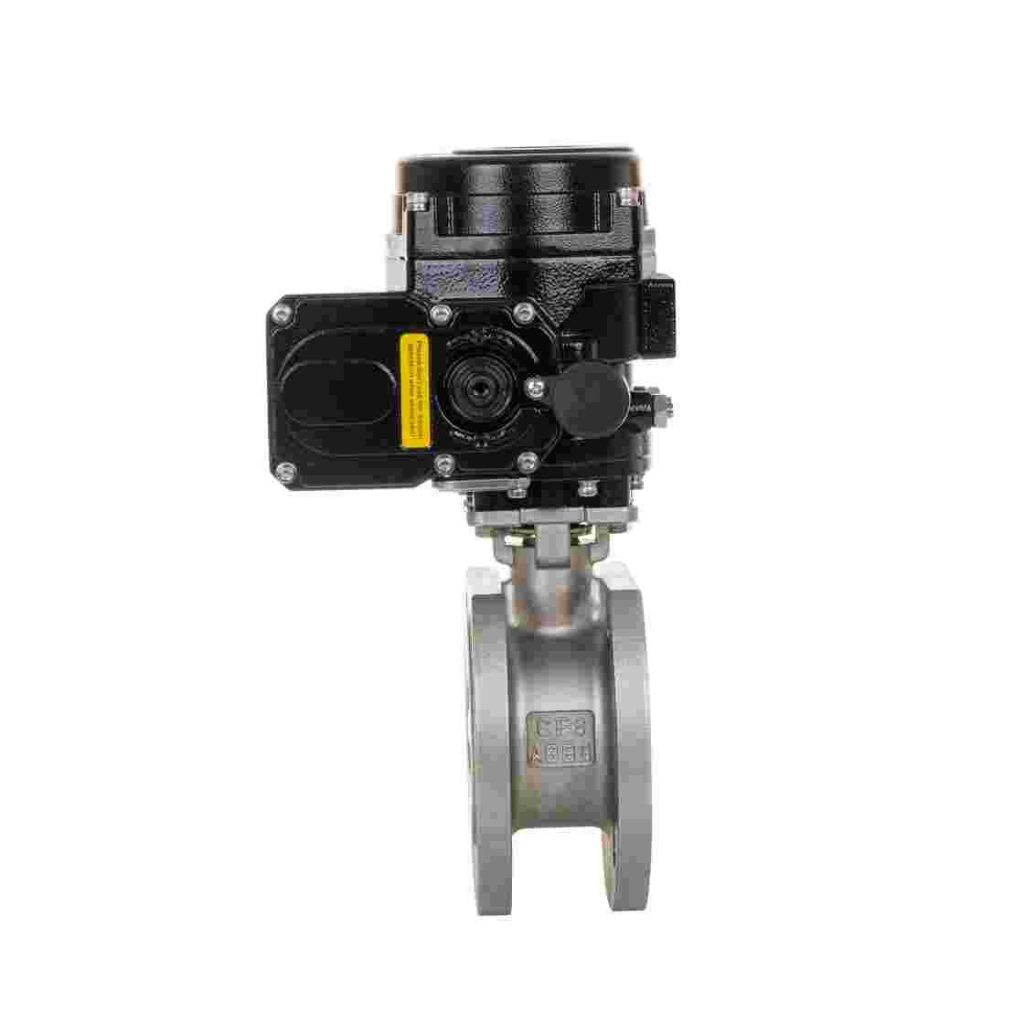
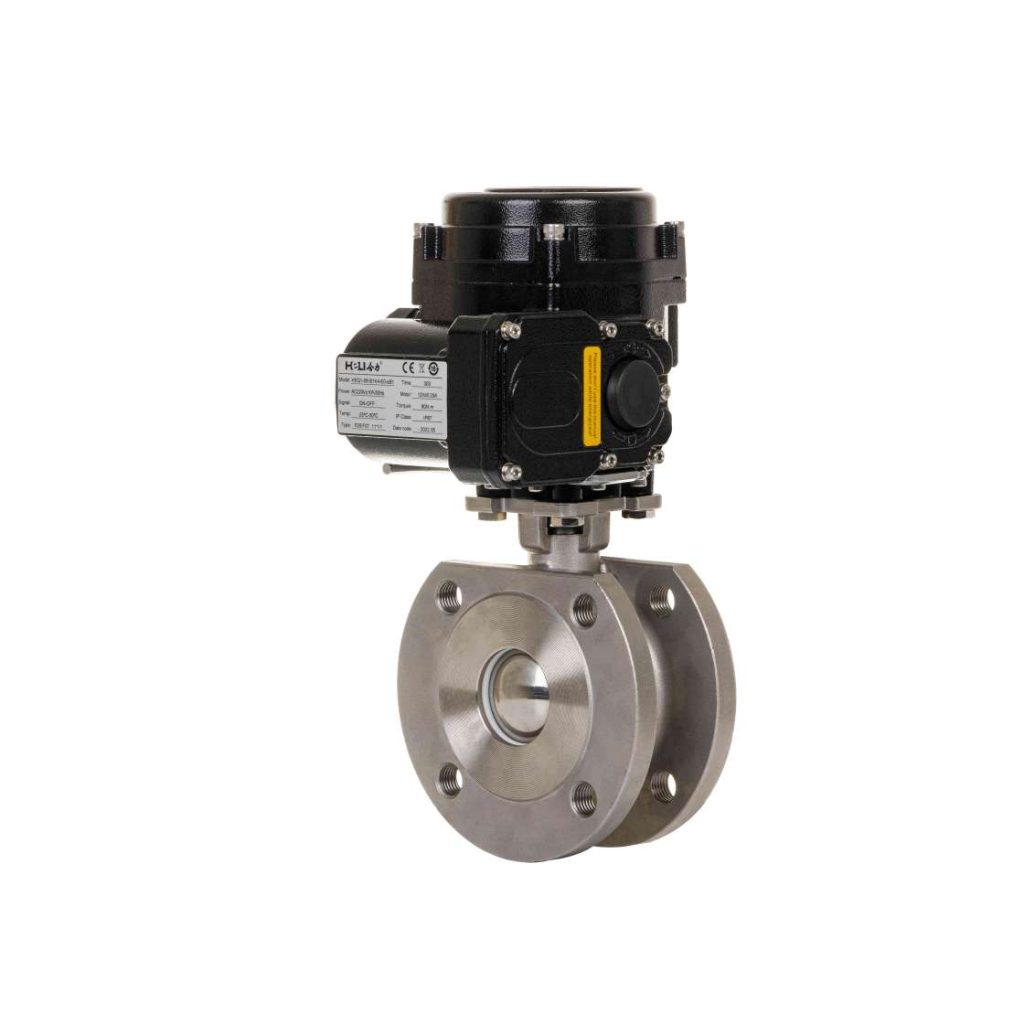
The electric flanged hard seal butterfly valve has become an essential component in various industrial applications, owing to its efficiency in controlling fluid flow with minimal pressure loss. This article delves into the features, working principles, advantages, applications, and maintenance considerations of the electric flanged hard seal butterfly valve, equipping readers with a comprehensive understanding of this key device.
Features
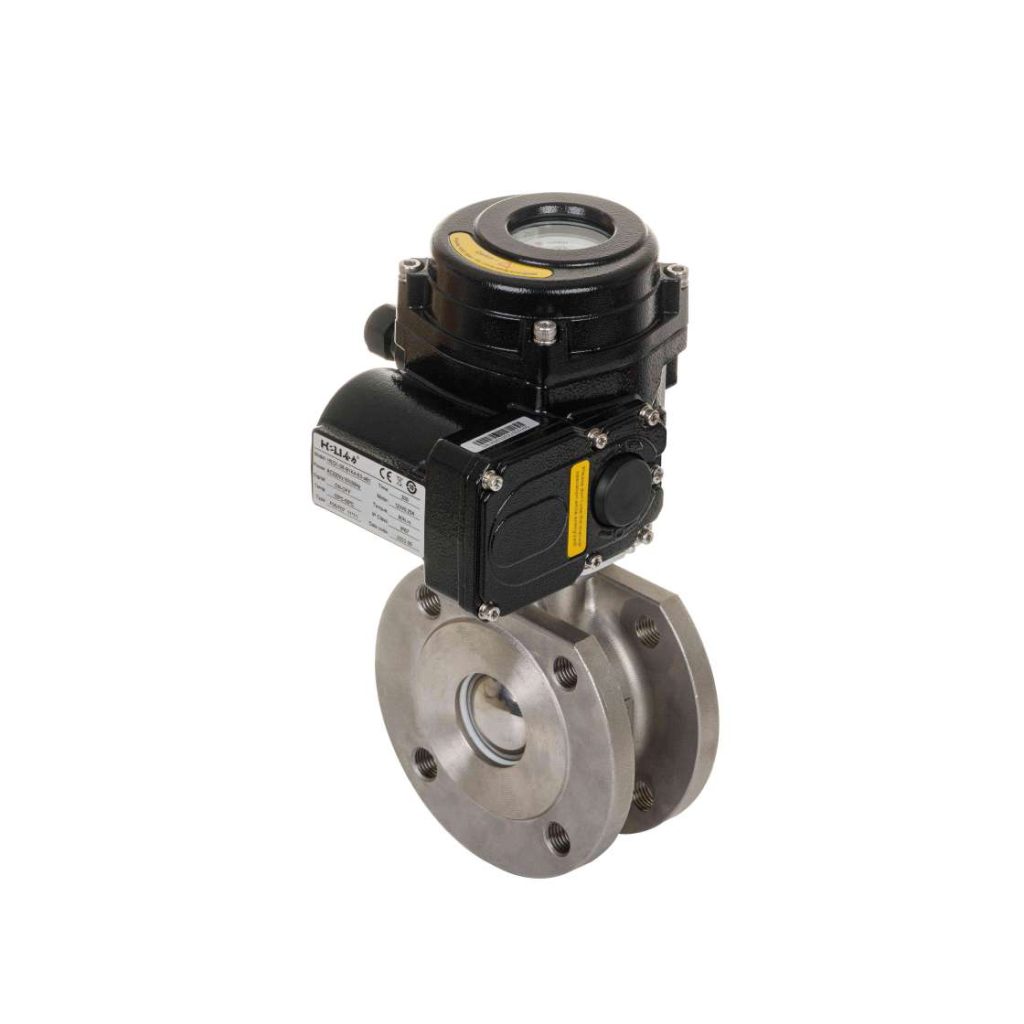
At the heart of the electric flanged hard seal butterfly valve’s design is its simple yet effective structure, which typically consists of a circular disc (the butterfly) positioned within a pipe. The disc rotates around a central axis, allowing it to effectively open or close the flow of fluid. The “hard seal” designation indicates that the valve utilizes robust materials, often metals or specially treated materials, to create an impermeable barrier when closed. This construction ensures high integrity in sealing, making it suitable for high-pressure and temperature environments. The electric actuator, which is typically mounted on the valve body, propels the butterfly’s movement. This electronic control allows for precise management of the valve’s positioning, enabling seamless integration into automated systems for real-time flow management. Notably, many modern electric flanged hard seal butterfly valves are fitted with feedback systems that relay position data to control systems, enhancing operational efficiency and safety.