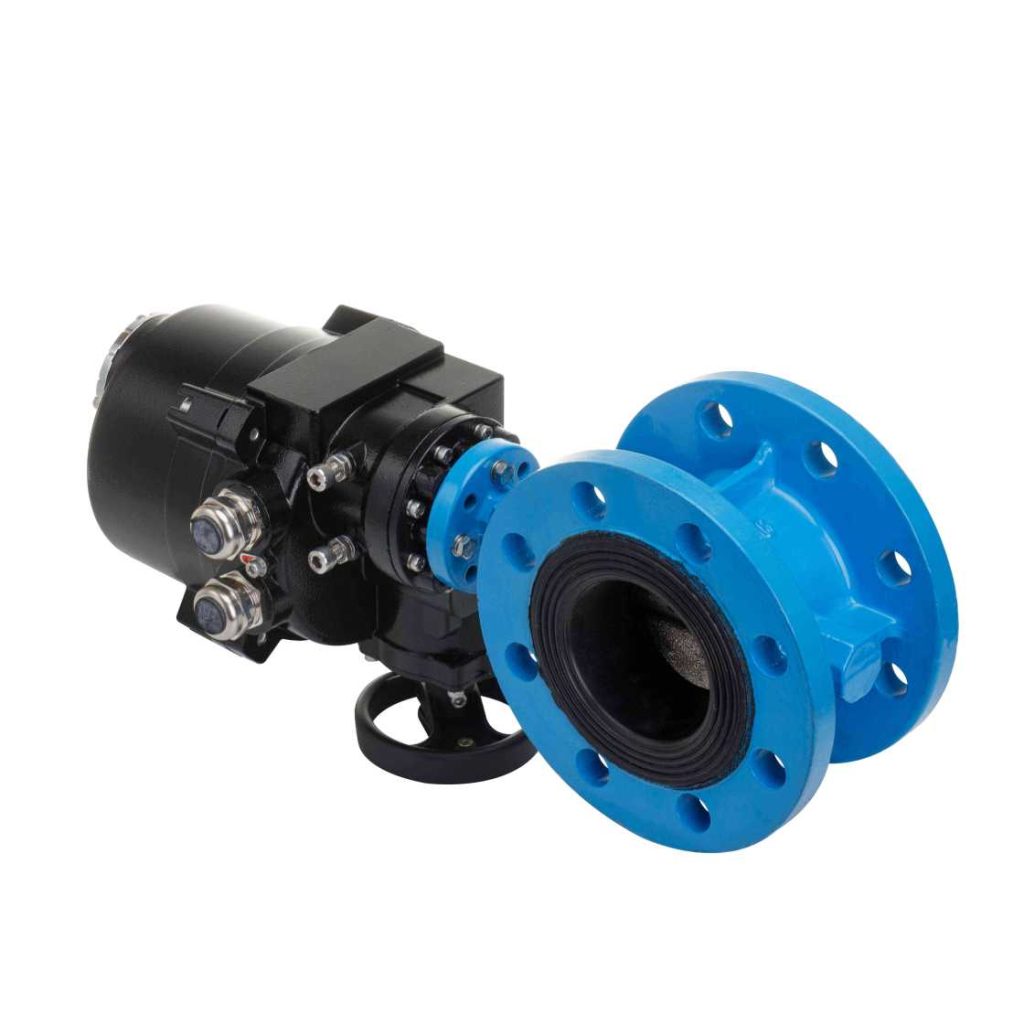
Electric flanged butterfly valves are crucial components in modern fluid control systems, offering an efficient, reliable, and versatile solution for regulating and stopping the flow of various fluids. These valves, known for their compact design and durable performance, are extensively used in a wide range of industrial applications. This article aims to provide an in-depth overview of electric flanged butterfly valves, focusing on their functionality, advantages, applications, and key considerations for choosing the right valve for your system.
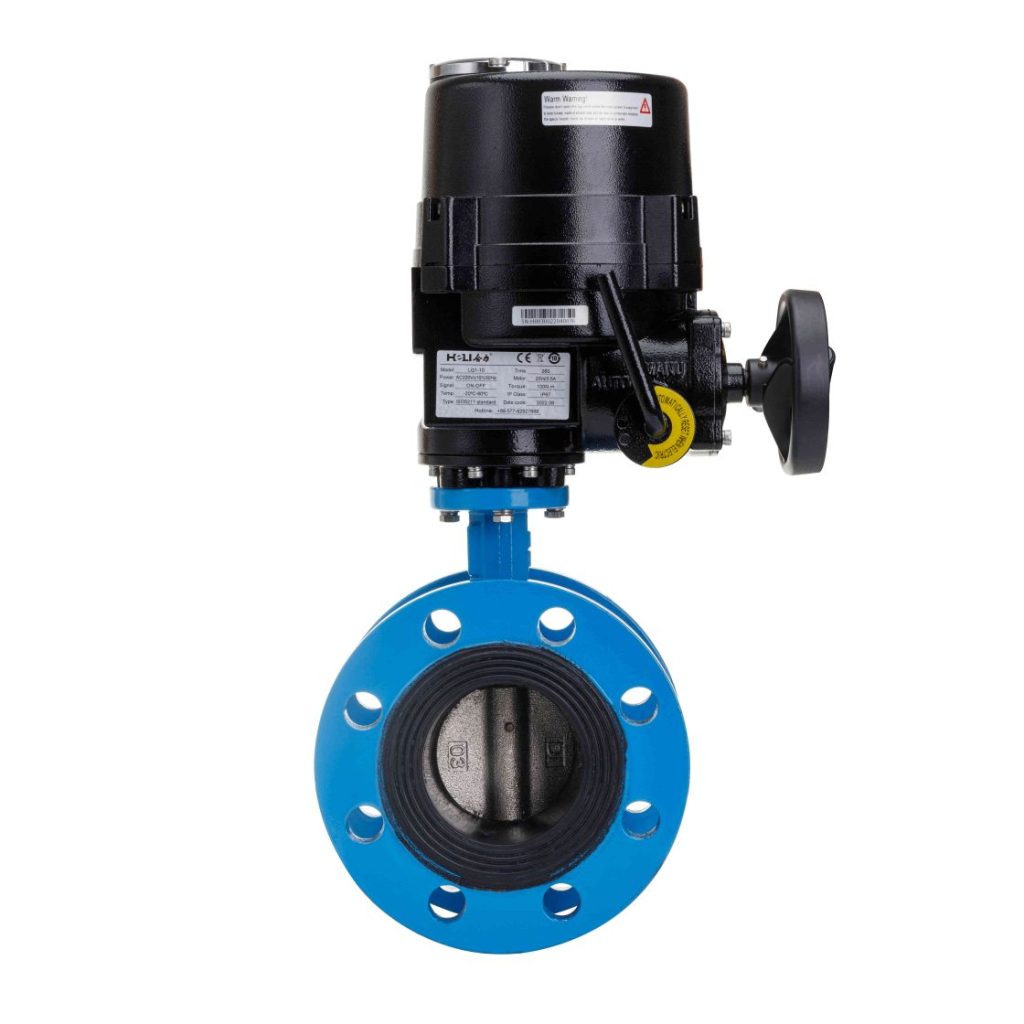
What is an Electric Flanged Butterfly Valve?
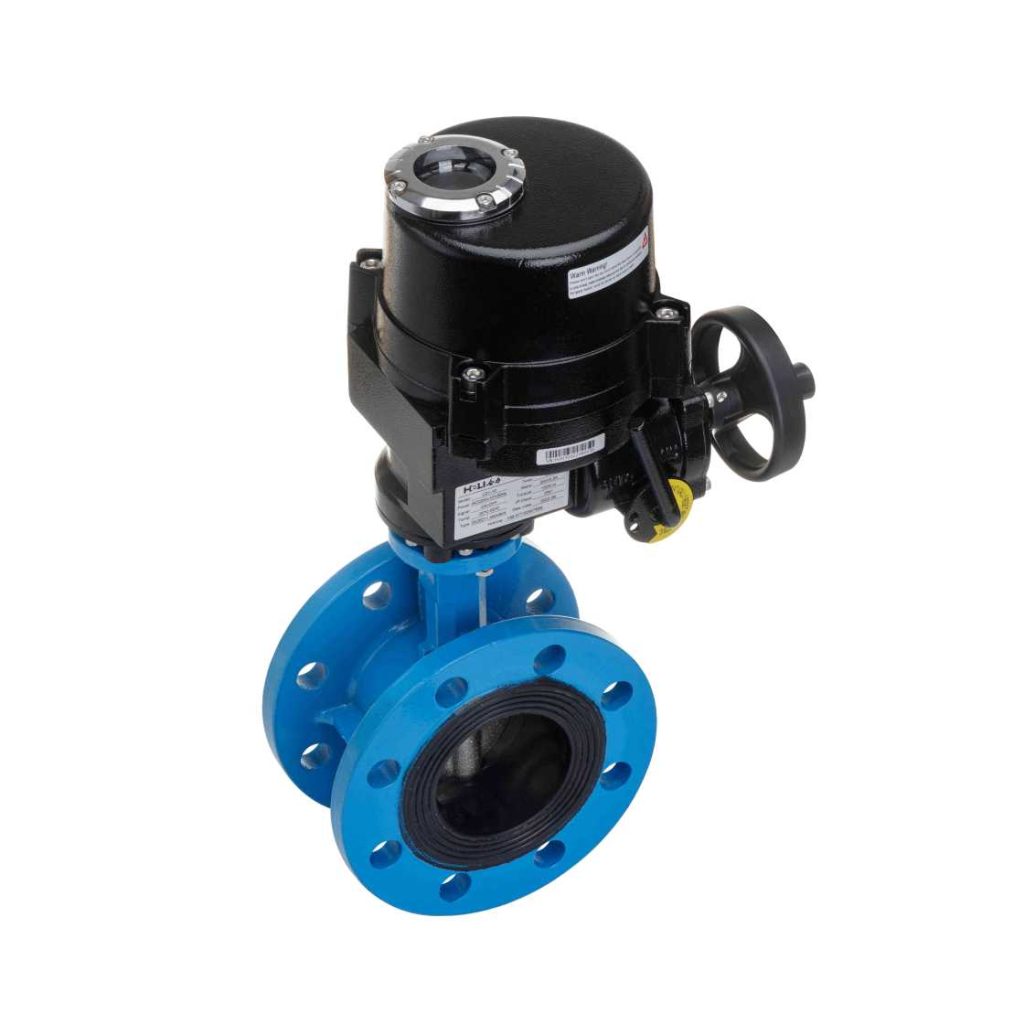
An electric flanged butterfly valve is a type of valve that combines a butterfly valve mechanism with an electric actuator. The butterfly valve itself consists of a circular disc, or “butterfly,” that rotates within the pipe to control the flow of fluid. The electric actuator is responsible for rotating the disc, either opening or closing the valve, based on electric signals or commands. The “flanged” aspect refers to the valve’s connection method, where flanges at both ends of the valve allow for a secure and leak-proof attachment to the pipework. How Does an Electric Flanged Butterfly Valve Work?