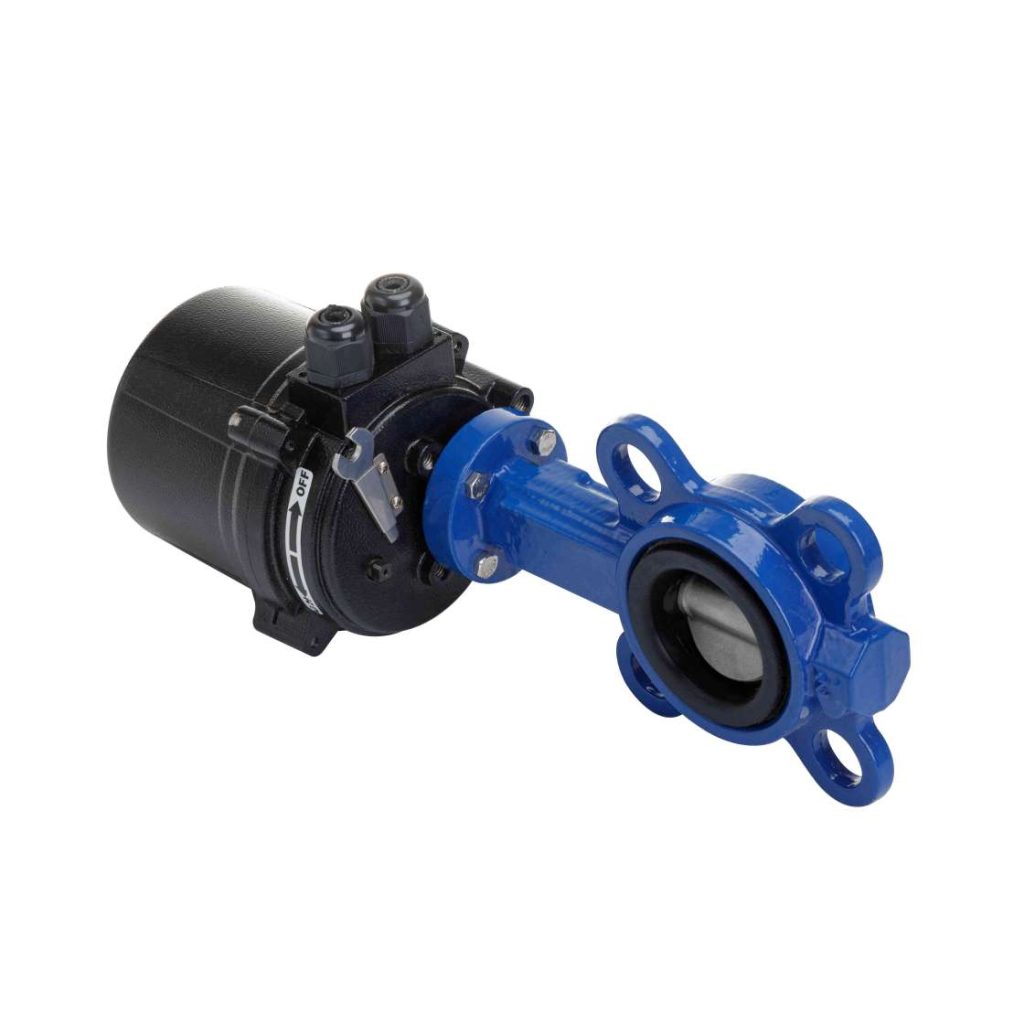
The Electric Butterfly Valve is a crucial component in modern industrial systems, particularly for controlling the flow of fluids like water, air, and oil. Combining efficiency with simplicity, these valves offer numerous advantages over traditional manual or mechanical valves. This article will explore the design, working principle, benefits, and various applications of electric butterfly valves in diverse industries.
1. Introduction to Electric Butterfly Valves
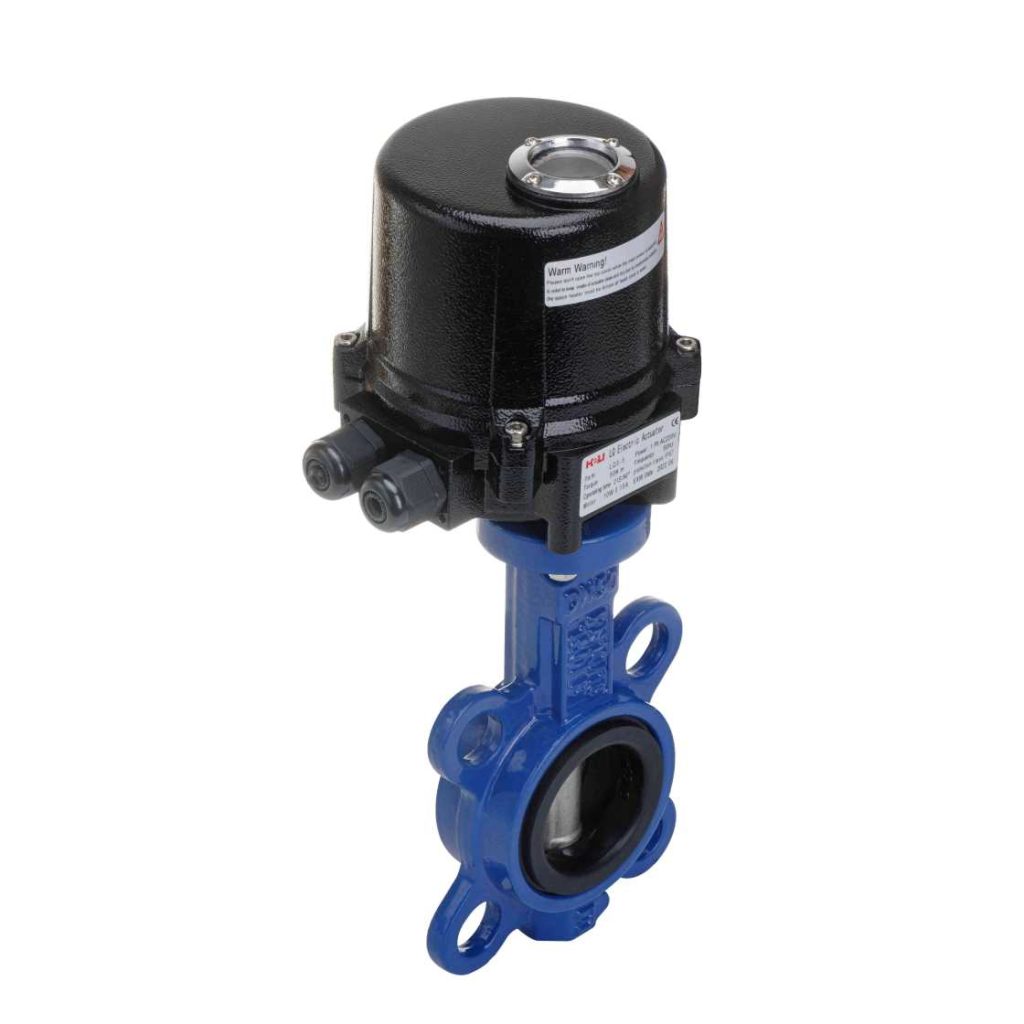
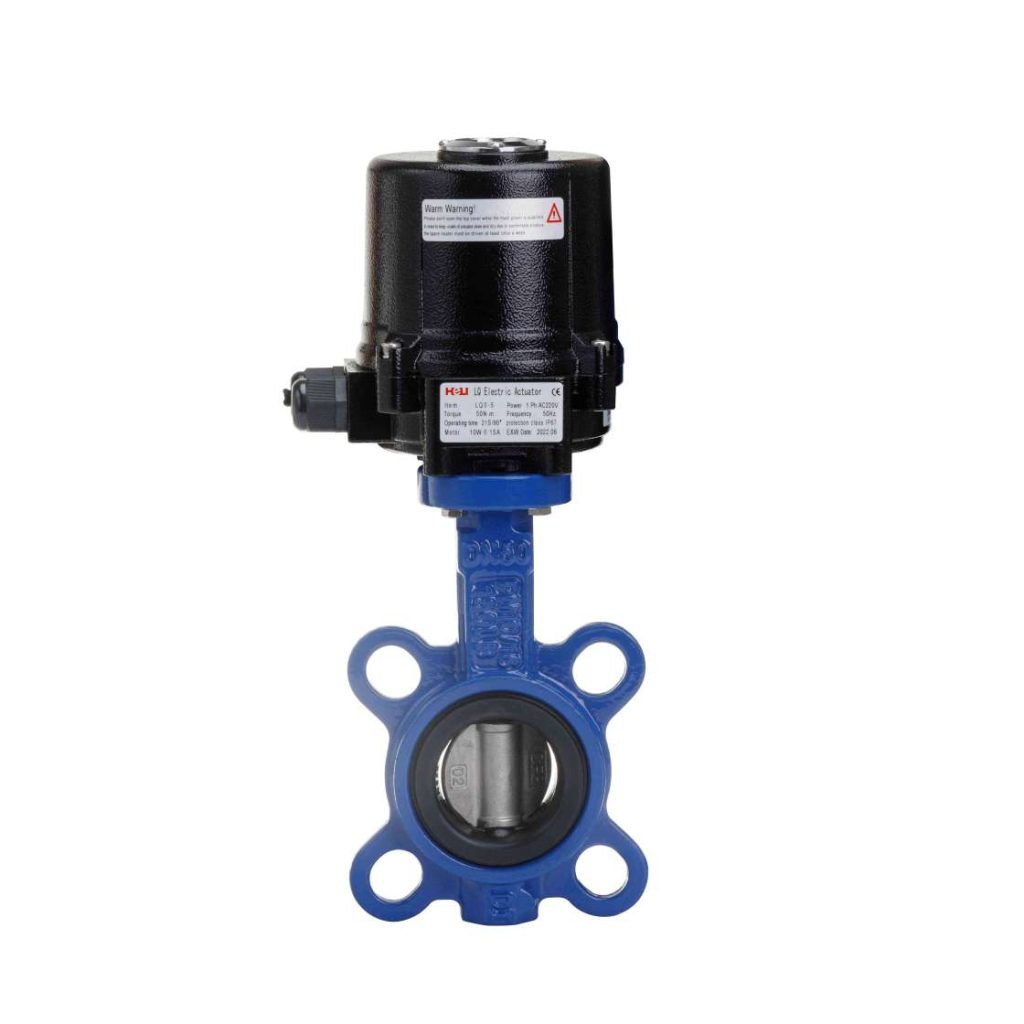
At its core, an electric butterfly valve is a type of valve used to regulate the flow of fluid within a pipe. It consists of a circular disc, which is mounted on a shaft. When the valve is activated, the disc rotates either partially or fully to control the flow of the fluid. The electric actuator (electric motor) attached to the valve provides the necessary mechanical power to rotate the disc. Unlike manual or pneumatic valves, electric butterfly valves rely on electrical power to open, close, or modulate the valve’s position. 2. Working Principle The electric butterfly valve operates on a simple yet effective principle. When an electrical signal is sent to the actuator, the electric motor turns the valve shaft, causing the disc to rotate. In the fully open position, the fluid can flow freely through the pipe. As the valve closes, the disc obstructs the flow path, restricting or stopping the flow entirely.