A Direct Acting Solenoid Valve (DASV) is an electromechanical device that plays a crucial role in controlling the flow of gases or liquids within a system. Unlike pilot-operated solenoid valves that require external pressure to actuate, the direct acting variety operates directly through the magnetic force created by a solenoid. This characteristic makes it a highly reliable, responsive, and versatile choice for a wide range of industrial and commercial applications. In this article, we will delve into the principles behind Direct Acting Solenoid Valves, explore their key benefits, and discuss the various industries that rely on this essential component.
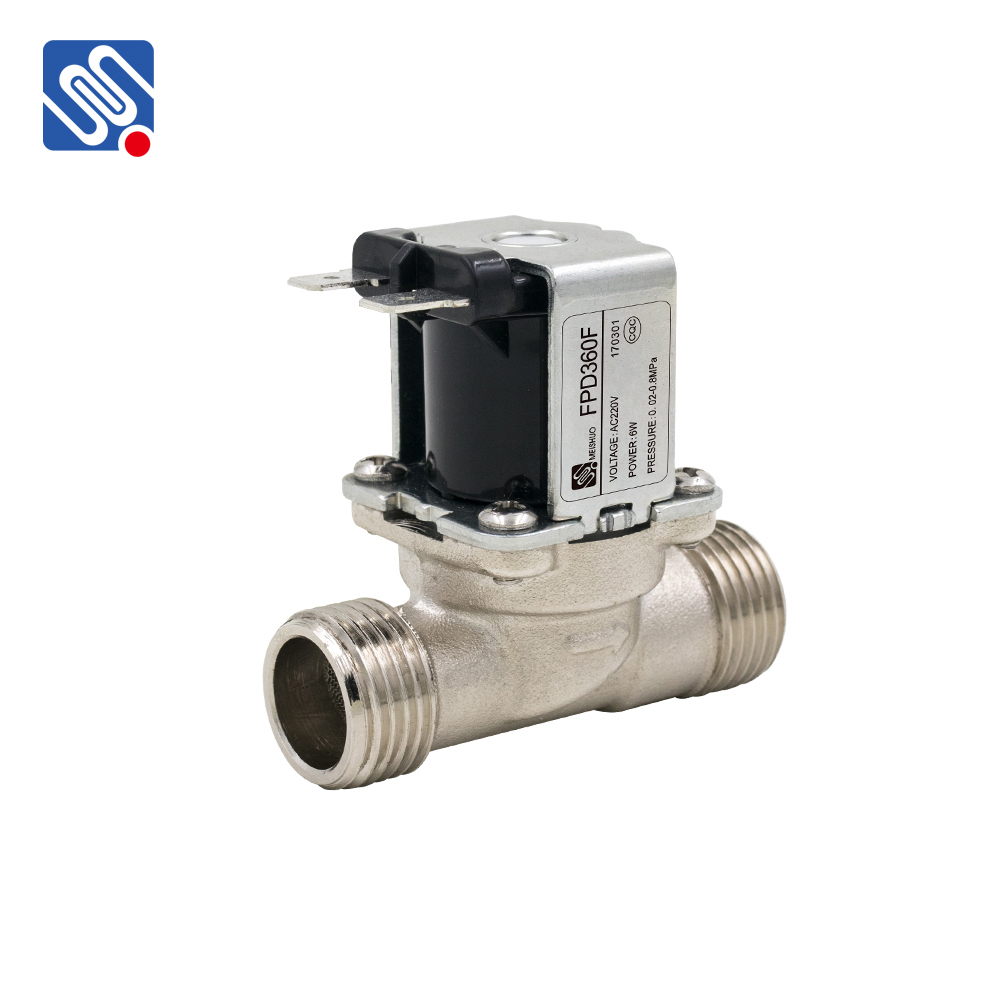
Principle of Operation At the core of the Direct Acting Solenoid Valve lies a simple yet efficient mechanism. The solenoid valve consists of a coil (the solenoid), an armature, and a valve seat. When electric current passes through the coil, it generates a magnetic field that attracts the armature. This movement either opens or closes the valve by displacing the valve seat, thereby controlling the flow of the fluid (gas, liquid, or steam) through the system. Unlike other types of solenoid valves that use external pressure (such as pilot-operated valves), direct acting solenoid valves do not require additional force from the media they are controlling. The solenoid’s magnetic field is sufficient to directly operate the valve, making them suitable for small, low-pressure applications. This feature provides immediate response times and precise control, particularly in systems where fast switching and accuracy are essential.