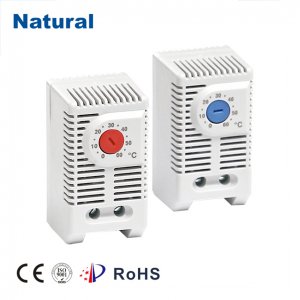
In today’s rapidly evolving world, maintaining a comfortable indoor environment is paramount, especially as we strive for both comfort and energy efficiency in our homes and businesses. One essential device that helps achieve this balance is the control panel thermostat. This seemingly simple device plays a vital role in regulating temperature, enhancing comfort, and contributing to energy savings. In this article, we will explore the different types of control panel thermostats, their primary functions, installation considerations, and the benefits they offer.
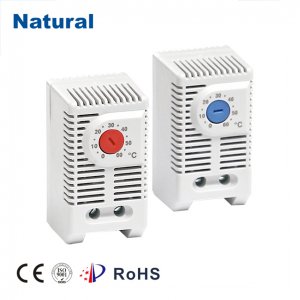
What is a Control Panel Thermostat?
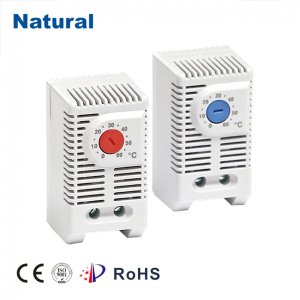
A control panel thermostat is a device that monitors and regulates the temperature of a given space, whether it be a home, office, or industrial facility. It works by connecting to a heating, ventilation, and air conditioning (HVAC) system, allowing users to set and maintain desired temperature levels automatically. The use of thermostats has evolved over the years, from basic manual models to advanced smart thermostats that can be controlled remotely. Types of Control Panel Thermostats
Mechanical Thermostats: These are the traditional models that rely on analog components, such as a bimetallic strip, to sense temperature changes. They are typically less expensive and straightforward to operate, making them a suitable choice for those who prefer simplicity over advanced features.