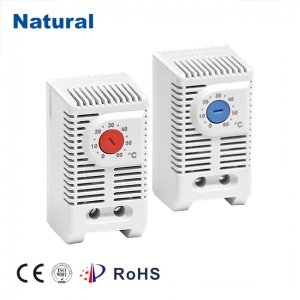
The Control Bimetal Thermostat Thermal Protector is an essential component in various electrical devices, providing crucial protection against overheating and potential damage. With the increasing reliance on electrical appliances and machinery, ensuring safety and reliability has become more important than ever. In this article, we will explore the working principles, applications, and benefits of the bimetal thermostat thermal protector, along with some potential drawbacks and maintenance considerations.
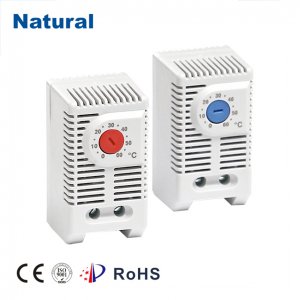
What is a Bimetal Thermostat Thermal Protector?
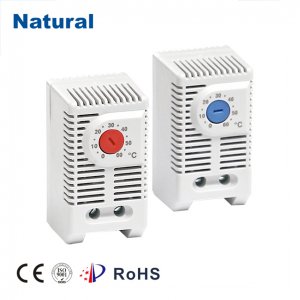
A bimetal thermostat is a temperature-sensitive switch that operates based on the principle of thermal expansion. It is constructed from two different metals, which are welded or pressed together. These metals have different rates of thermal expansion, and when exposed to heat, they bend or curve in response. This deformation triggers a mechanical switch that either opens or closes an electrical circuit, thereby controlling the temperature of an electrical appliance or motor. The thermal protector aspect of the device refers to its ability to detect and react to abnormal temperature increases. The protector functions by automatically disconnecting the power supply to the appliance or device once the temperature surpasses a safe threshold, preventing further overheating and damage. Once the temperature drops back to a safer level, the thermal protector restores the connection, allowing the device to function again.