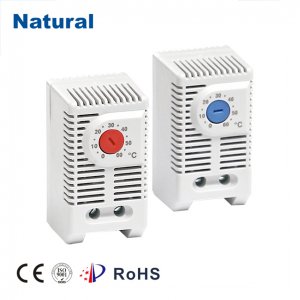
In the realm of temperature control and protection systems, the control bimetal thermostat thermal protector plays a critical role in ensuring the safety and longevity of various electrical devices and appliances. Incorporating a simple yet highly effective operating principle, this device employs a dual-metal mechanism to monitor temperature changes and provide essential protection from overheating. This article delves into the working principle, applications, advantages, and operational significance of the control bimetal thermostat thermal protector.
Working Principle
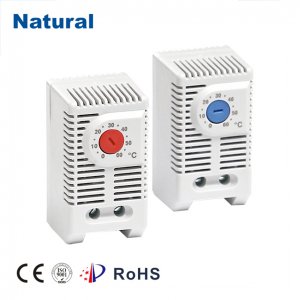
The control bimetal thermostat thermal protector operates based on the unique properties of two different metals that are bonded together. These metals, commonly made from materials such as copper and steel, possess distinct coefficients of thermal expansion. As the temperature increases, each metal expands at a different rate. This differential expansion causes the bimetal strip to bend or deflect. At a predetermined temperature threshold, the bending of the bimetal strip will trigger a switch mechanism, either opening or closing an electrical circuit. When the temperature exceeds the set point, the circuit is opened, interrupting the power supply to the device and preventing potential damage from excessive overheating. Once the temperature falls back to a safe level, the mechanism typically resets, allowing the power to resume. In some designs, once the thermal protector has activated, it may require manual intervention to reactivate, enhancing safety by ensuring that the underlying issue is addressed.